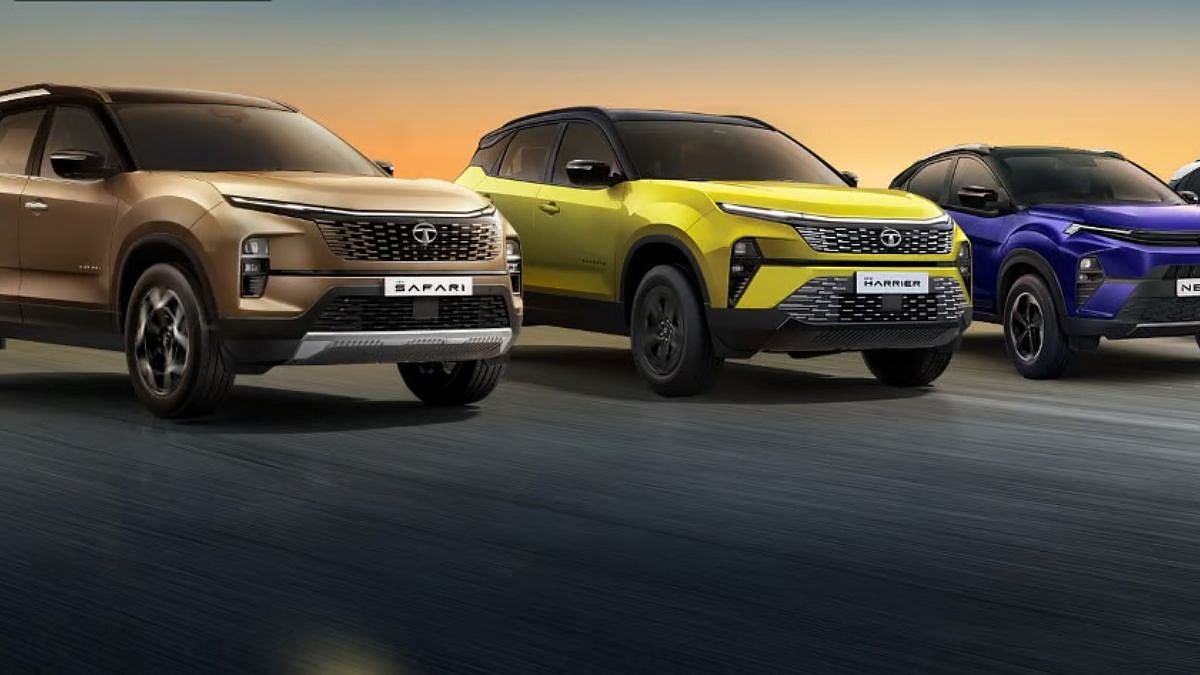
Mumbai: Tata Motors Passenger Vehicles Ltd (formerly Tata Motors Ltd) on Tuesday announced a presentation to investors detailing its performance and strategic outlook. The company sold over 6.4 lakh vehicles in FY26, marking its strongest-ever year.
Strong Performance in FY26
The company’s sales volume of 6.4 lakh units represented a 15 percent year-on-year growth, nearly double the industry growth rate of 8 percent for the same period. This performance positioned Tata Motors as the second-ranked passenger vehicle manufacturer in India in the second half of FY26.

EV Leadership Maintained
Tata Motors sold over 92,000 EVs in FY26, its highest annual volume to date. The company achieved more than 40 percent EV market share for the fiscal year and has sold over 3 lakh EVs since its inception.
Growth in CNG Segment
CNG vehicles also contributed significantly to the company’s growth, with over 1.7 lakh units sold in FY26. This figure outpaced the overall industry growth in the CNG segment, driven by an expanded portfolio of twin-cylinder CNG models.
Product Portfolio Expansion
FY26 saw the launch of several new and refreshed products, including the new Sierra, new Punch, new Altroz, Harrier and Safari Petrol, new Punch.ev, and Harrier.ev. These launches helped to re-energise the product portfolio and strengthen demand, particularly in the second half of the fiscal year.
Transformation Initiatives
The company's THRIVE Transformation initiatives delivered structural improvements. These included a 59 percent reduction in early-life vehicle issues and a more than 300 basis points improvement in service turnaround time adherence. Dealer profitability also improved, with over 90 percent of dealers reporting profitability by the end of FY26.
International Business Growth
Tata Motors also saw sharp growth in its international business (IB) volumes. Volumes quadrupled compared to FY25, driven by a re-entry into the South African market and new launches in the region. The company expects continued international growth in the coming years.
Future Industry Outlook
According to the company's investor presentation, the Indian passenger vehicle industry is projected to grow to 6.4 million units by FY31, driven by GDP growth, rising incomes, and faster vehicle replacement cycles. The median price of vehicles is also expected to shift upwards.
Long-Term Strategy
Tata Motors’ strategy focuses on leveraging these long-term industry trends. The company aims to sustain its growth momentum and profitability through its product, technology, and supply chain strategies.
Financial Performance
The presentation also provided an outlook on the PV business's financial performance. Details included reported EBITDA, reported EBIT, and free cash flow definitions, along with a consolidated segment-level financial data format for the automotive segment.

