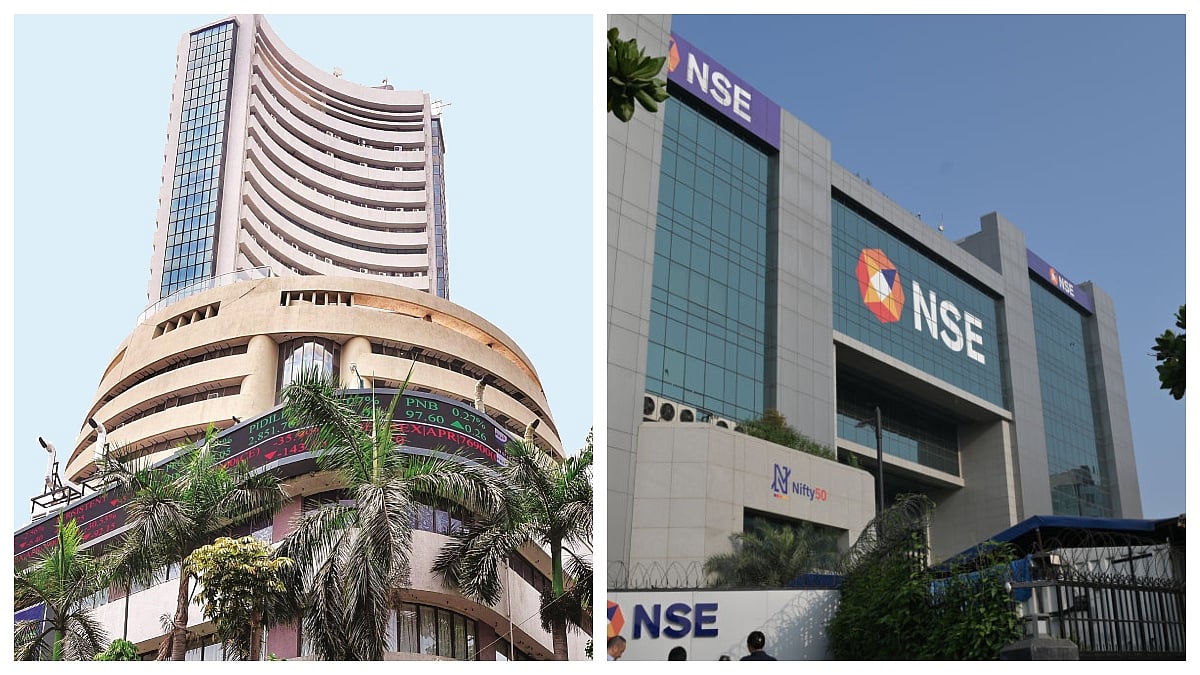
Mumbai: Indian stock markets will remain closed on Friday, June 26, due to Muharram. Trading will not take place on both the BSE Sensex and Nifty 50.
All major market segments will remain shut on this day. This includes equity trading, equity derivatives, securities lending and borrowing, currency derivatives, and electronic gold receipts.
Investors and traders should plan their activities accordingly, as no buying or selling will take place on the exchanges.
Investors to Get a Three-Day Break
The holiday on Friday will give market participants a long break.
Saturday and Sunday are already regular weekly holidays for stock exchanges. This means investors will get three continuous non-trading days.
Normal trading will resume on Monday, June 29.
A long market break often makes investors cautious, especially when global events are creating uncertainty.
Upcoming Market Holidays in 2026
After Muharram, stock markets will remain closed on several other important festivals this year.
Upcoming holidays include:
Sep 14: Ganesh Chaturthi
Oct 2: Mahatma Gandhi Jayanti
Oct 20: Dussehra
Nov 10: Diwali-Balipratipada
Nov 24: Prakash Parv Shri Guru Nanak Dev
Dec 25: Christmas
These holidays are part of the official exchange calendar.

Market Rose Strongly Last Week
Indian equities ended last week on a positive note.
The BSE Sensex gained 1,274.95 points, or 1.68%, during the week, showing strong investor confidence.
Broader market sentiment also improved as buying interest returned across sectors.
Key Factors to Watch This Week
Analysts say several major factors could influence market movement this week.
Investors will closely watch the US-Iran peace talks, as any positive or negative development may affect global sentiment.
Crude oil prices will also remain important for India because lower oil prices help control inflation and support economic growth.
Foreign institutional investor (FII) activity will be another major trigger.
Market participants will also monitor monsoon progress, as rainfall directly impacts agriculture, inflation and rural demand.

