
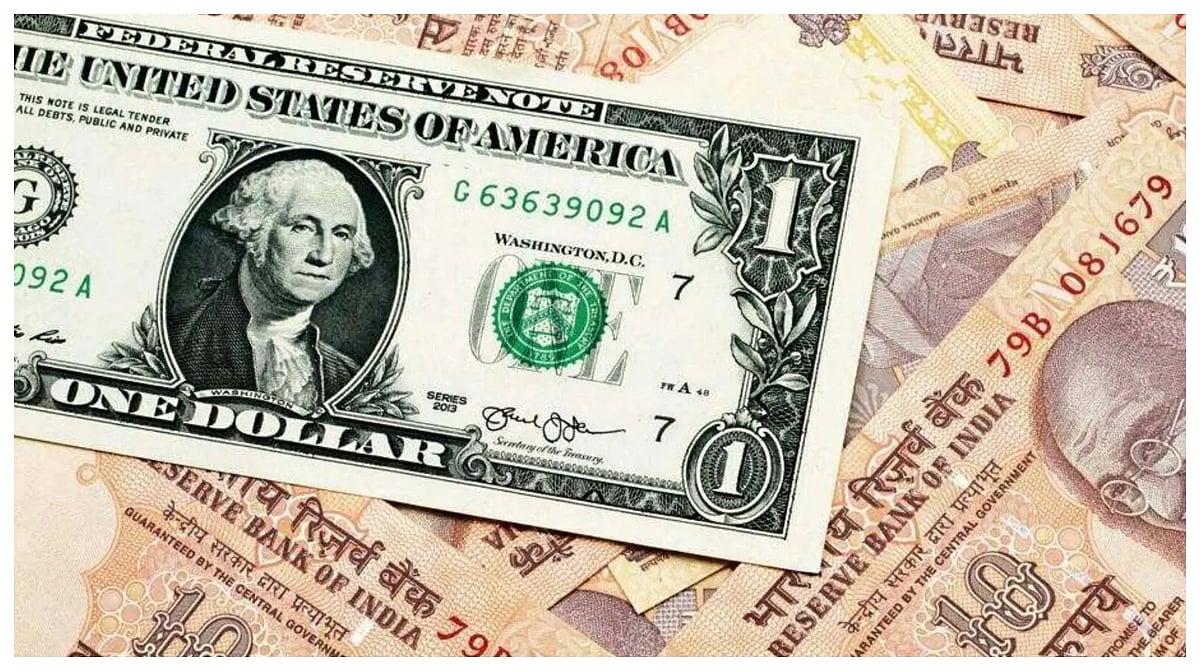
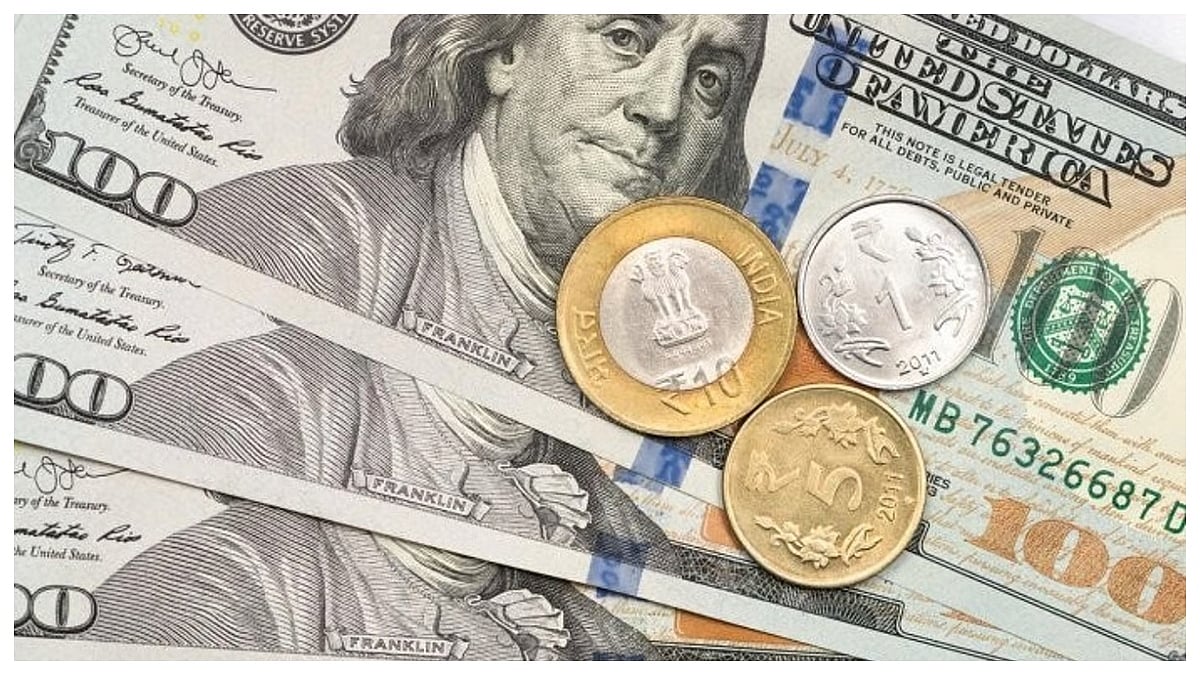
Mumbai: The Indian rupee fell to a historic low, hitting Rs 89.59 per US dollar on Tuesday and slipping to Rs 89.80 intraday. The sudden drop has raised concerns among traders and economists alike. A combination of trade deficit, foreign fund outflows, high demand for dollars from importers, and delays in the India-US trade deal put heavy pressure on the rupee.

RBI Stays on the Sidelines
Unlike previous situations, the Reserve Bank of India (RBI) did not intervene in the open market by selling dollars. This non-intervention strategy caused stop-loss triggers to hit quickly, accelerating the rupee’s decline. Many traders had placed stop-loss orders around Rs 89.50, which were triggered, pushing the currency even lower. Barclays noted that the rupee could cross Rs 90, although the speed of the fall was unexpected.
Trade Deficit and Global Dollar Strength
The weak trade data combined with continuous selling by foreign portfolio investors (FPI) added double pressure on the rupee. Importers increased hedging as the demand for dollars rose sharply. Globally, the US dollar index remains strong, and emerging market currencies are under pressure. High-yield dollar bonds and global risk-off sentiment further weakened the rupee.
India-US Trade Deal Uncertainty
The market had hoped for progress on the India-US trade pact this month, but no concrete signals emerged. This uncertainty added to the rupee’s vulnerability. Barclays’ Mitul Kotecha mentioned that a finalised trade deal could provide temporary relief to the rupee.
Expectations from RBI and the Path Ahead
Markets are now speculating that RBI might cut rates in the upcoming MPC meeting on Friday. Lower interest rates could put additional pressure on the rupee, but concerns about slowing credit growth and economic slowdown make any aggressive move uncertain.
The next key level to watch is Rs 90, a psychological barrier. While RBI could intervene to stabilise the market, the current approach seems to allow the rupee to adjust naturally.
Disclaimer: This content is for general information only. Currency markets are volatile, and factors influencing exchange rates may change rapidly. Investors should verify data independently and consult financial advisors before making decisions.

