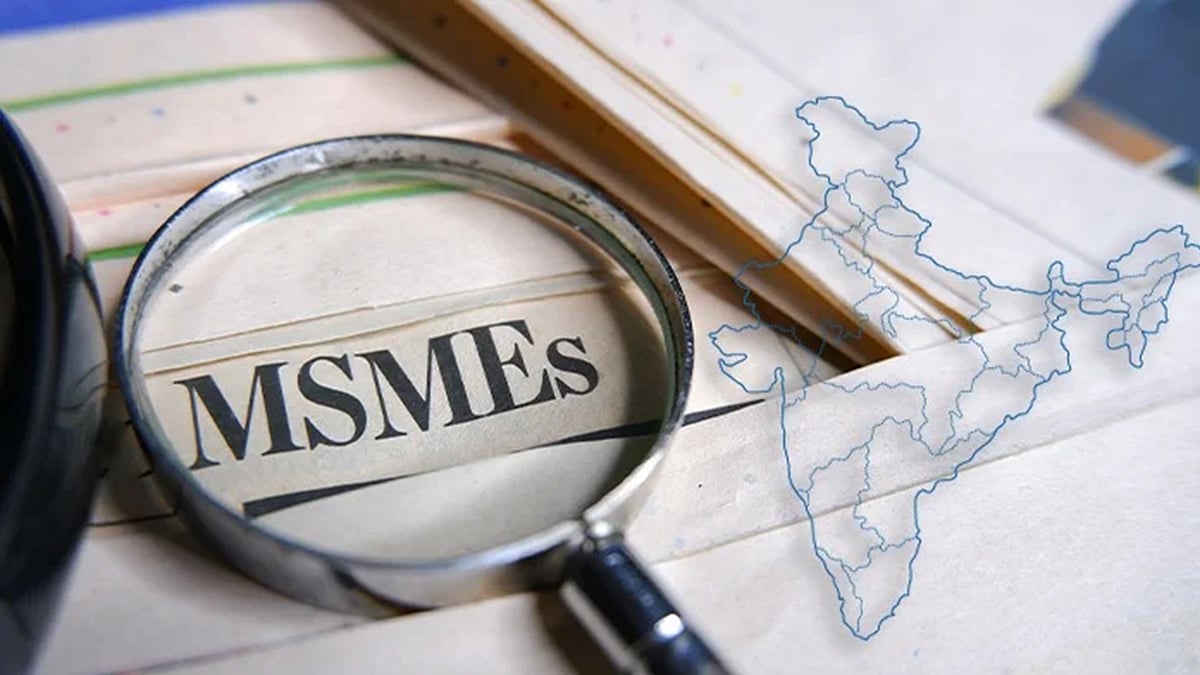
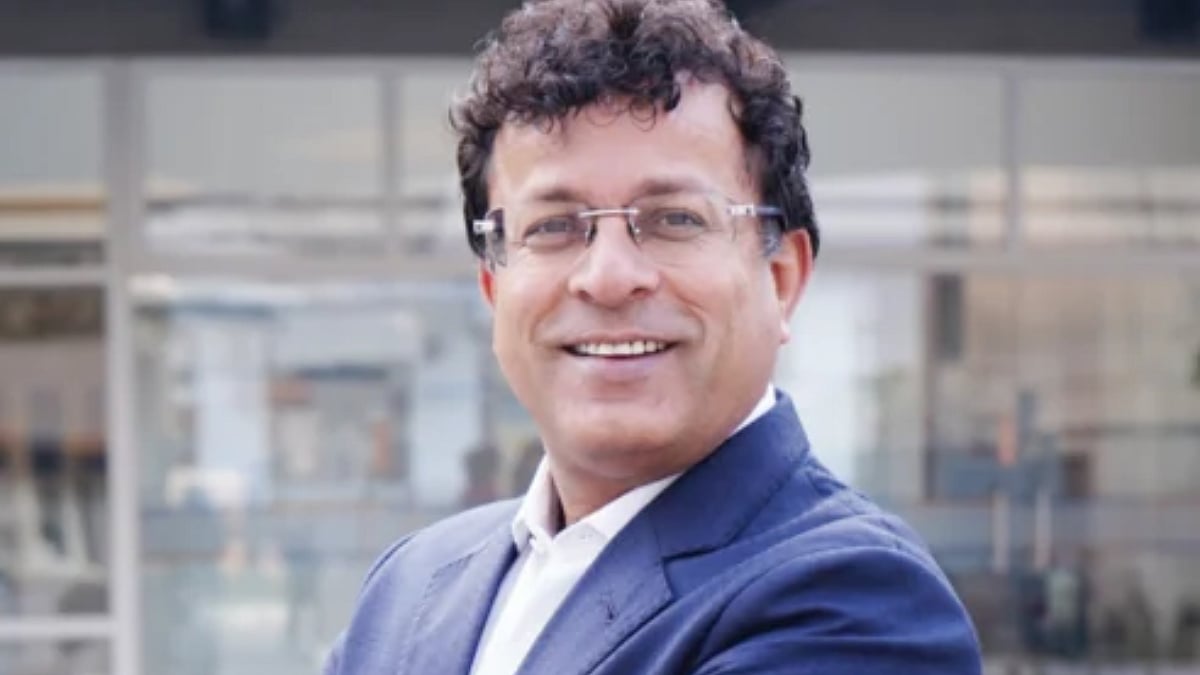
New Delhi: Indian micro, small and medium enterprises (MSMEs) could face significant financial challenges if the United States imposes its proposed 25% tariff on Indian goods, FICCI-CMSME President Harjinder Kaur Talwar has warned, calling for a fair and mutually beneficial India-US trade agreement.
Talwar emphasised that while India and the US share strong strategic and commercial ties, a bilateral trade agreement should safeguard the interests of domestic businesses.
Thin Margins Raise Concerns
Indian MSMEs, which play a crucial role in employment generation, manufacturing and exports, already operate on narrow profit margins. Higher US import duties could further weaken their financial position and international competitiveness.
Talwar cautioned that a 25% tariff would make business sustainability increasingly difficult for smaller enterprises. She maintained that India welcomes a trade agreement with Washington but should not compromise the interests of domestic industries by accepting unfavourable tariff conditions.
US Proposes Tariff Relief
The United States Trade Representative (USTR) on Wednesday proposed tariffs of up to 25% on Indian goods, with certain exemptions, following an investigation into structural excess capacity and production across manufacturing sectors.
However, Washington indicated that the proposed tariff could be reduced to 17% if India concludes an Agreement on Reciprocal Trade addressing concerns identified during the investigation. The proposed tariff measures also extend to several other economies, including Cambodia and Indonesia, while Bangladesh faces proposed duties of up to 18%.
Technology Holds The Key
Beyond tariff negotiations, Talwar highlighted the importance of technological advancement in strengthening India's MSME ecosystem. Greater technology adoption could help smaller manufacturers improve operational efficiency, reduce production costs and enhance their competitiveness in global markets.
The outcome of India-US trade negotiations could prove critical for export-oriented MSMEs, particularly those dependent on American demand. With uncertainty surrounding the proposed tariff framework, Indian businesses will closely monitor further developments as policymakers seek to balance bilateral trade opportunities with domestic industrial interests and long-term export growth.
Level up your brain the fun way. Play daily games and quizzes on FPJ Smart!

