
Every January, a once-forgotten corner of South Mumbai turns into one of India’s liveliest open-air cultural gatherings. The Kala Ghoda Arts Festival, launched by the Kala Ghoda Association (KGA) in 1999, is now a fixture on Mumbai’s tourism calendar, a week when art, heritage and the city’s own restless energy converge.
The Association was formed a year earlier by gallery owners, citizens and heritage lovers determined to protect the character of the historic precinct. “That crescent was a dingy space—nobody looked at those magnificent buildings. Some of them were in a very bad state,” recalls Brinda Miller, chairperson of the KGA.
Since then, funds raised through the festival have helped restore several landmarks, including the David Sassoon Library, the Wadia Clock Tower, the Muljee Jetha Fountain and the Horniman Circle Garden pyau.
The early years were marked by struggles. “Funding in the arts is always fragile,” says Brinda. “Every year, we would wonder if we’d manage to pull it off another year.” Permissions were an obstacle too, until attitudes shifted.
Particularly after the pandemic, she says, there was suddenly recognition, including from government agencies. “People began to see it as their festival.”
Brinda credits the festival’s growth to the people behind it. “The committee works entirely pro bono. The curators come together because they love it. They want to do it.” For her, it was simply a way to give back to the city she loves.
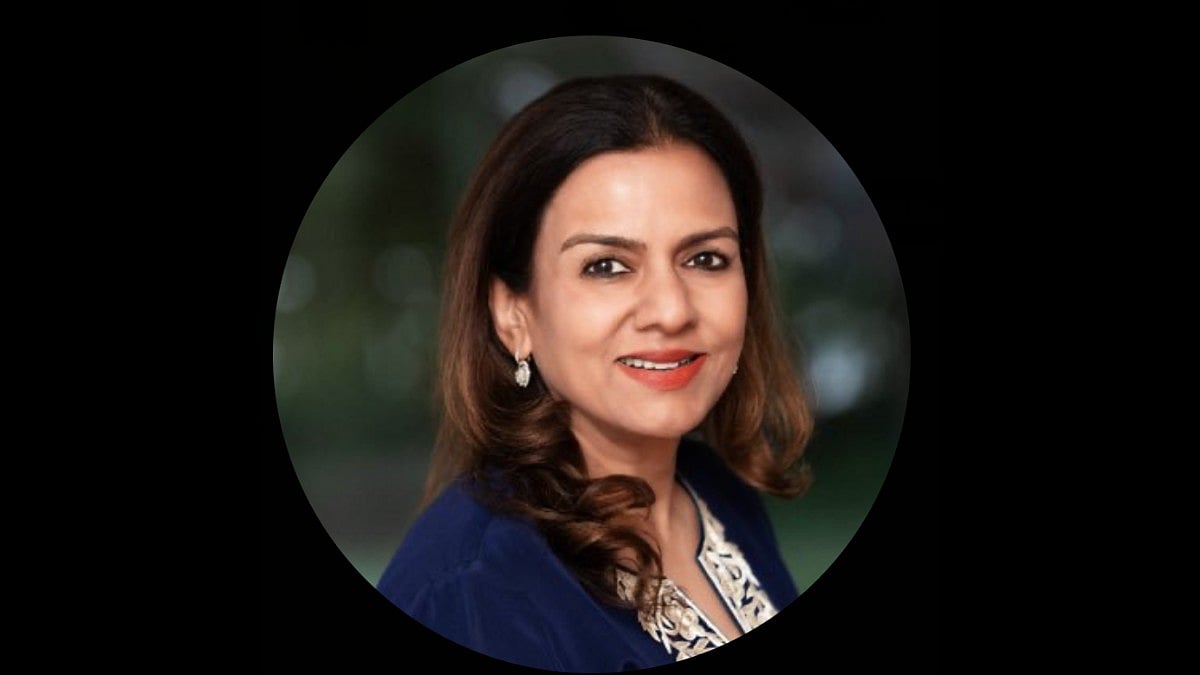
Sangita Jindal, Chairperson, JSW Foundation |
Sangita Jindal, a founding patron member of the KGA, says she is proud to see how the Kala Ghoda Arts District has evolved. “It has become the foremost arts, culture and tourist precinct, not only in Mumbai but also having emerged as one of the most iconic heritage restoration endeavours in India,” she says. “The festival has grown due to a passionate team that raises the bar each year.”
In 26 years, Kala Ghoda has hosted iconic artists, including performances by Herbie Hancock and the late Zakir Hussain, who appeared four times. “People now want a Kala Ghoda performance on their CV,” Brinda says.
Some experiences—concerts on the Asiatic Library steps, events at Cross Maidan, the Rajabai Clock Tower digital projection mapping—are exclusive to the festival. With its shops and restaurants, the precinct already had character; the festival amplified it, with the KGA pushing for a pedestrianised street that makes the area even more welcoming.

