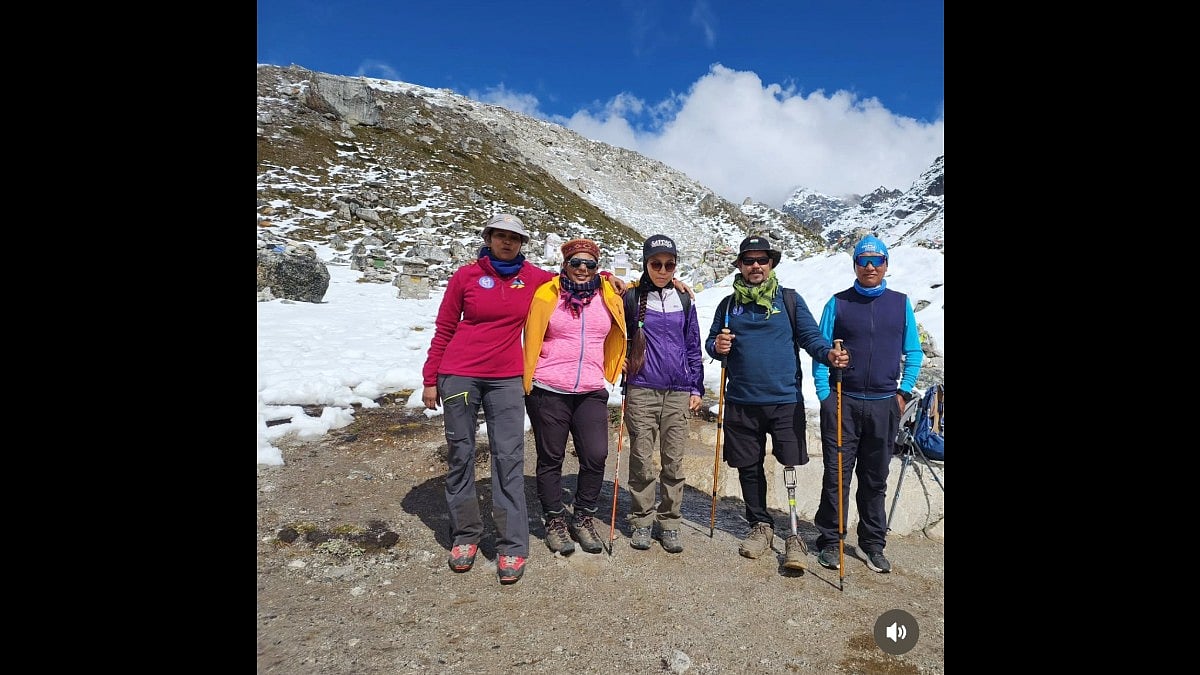
Anusha Subramanian, 51, thinks the outdoors should belong to everyone. An award-winning journalist for two decades, she swapped newsroom deadlines for high mountain passes and steep climbs in 2012, having trekked since the age of 7.
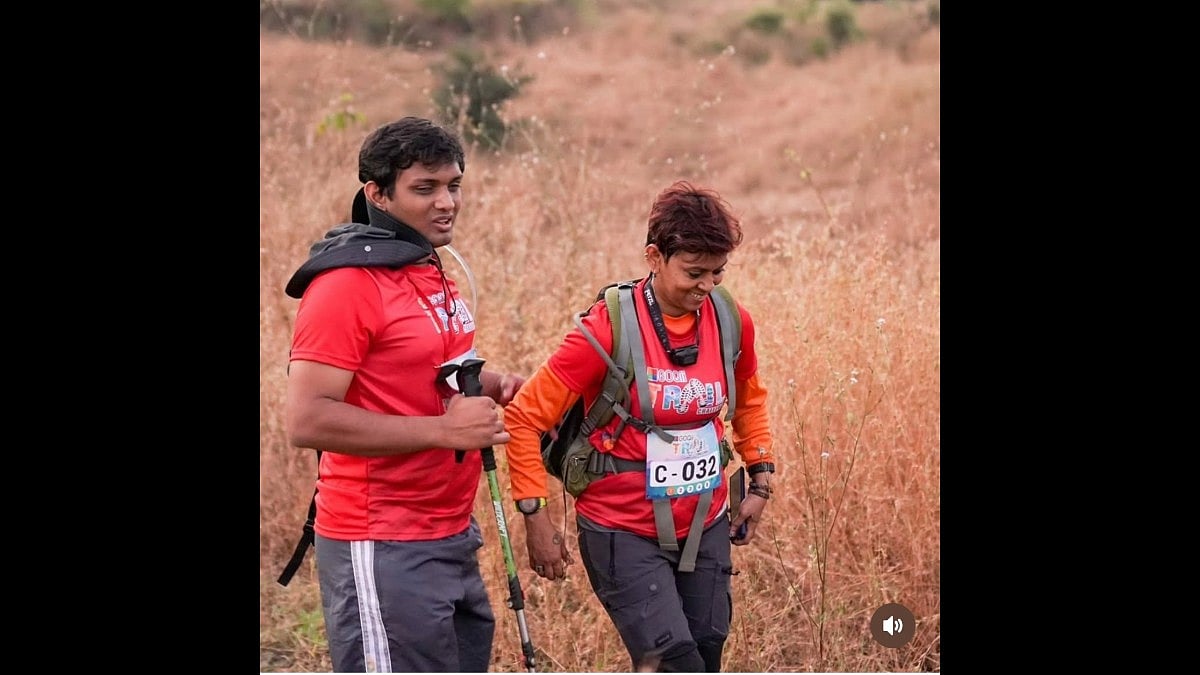
While volunteering after the 2013 Uttarakhand floods, she worked with Bachendri Pal, India’s first woman mountaineer to summit Mount Everest. Her experiences providing relief in far-flung villages led to her establishing Summiting4Hope (S4H), a social initiative that raises funds for mountain communities through adventure expeditions. S4H participated in relief operations in Kashmir and Nepal in 2014 and 2015; they also sponsor young women from the mountains to do mountaineering courses.
A certified expert from the Nehru Institute of Mountaineering, Uttarakhand, Anusha later co-founded Bohemian Adventures with two fellow mountaineers, a venture that blends commercial guiding with social impact, training local women as guides and supporting village economies through homestays.
Since 2016, she has worked to open the outdoors and mountain trails for people who are often kept away from them, including the visually impaired, amputees, those with mobility challenges, older adults, etc., designing expeditions that are safe, inclusive and emotionally empowering. “The disabled have trouble finding allies, because most of us fear being responsible for them,” she says. “The outdoors actually embrace everyone.”
A chronic asthmatic, Anusha had faced exclusion herself during her early trekking years, and she was determined to turn the principle of inclusive outdoors into practice.
In 2018, she led India’s first inclusive climb—comprising three visually impaired and 10 sighted climbers—to Mount Kilimanjaro in northern Tanzania. In 2017, she participated as a volunteer-sighted ally for a tandem cycling expedition with visually impaired cyclists, from Manali to Khardungla.
She prepares thoroughly, studying medical conditions such as Parkinson’s or autism, mapping acclimatisation days and contingencies, building teams that mix able-bodied participants with people with disabilities. “Safety is the same for all. The differently abled go through the same rigour in training.”
Finance is the biggest challenge, she says, particularly as many disabled climbers come from middle- or low-income homes. For the Kilimanjaro trek, she raised Rs 21 lakh, for the three blind climbers and three guides.
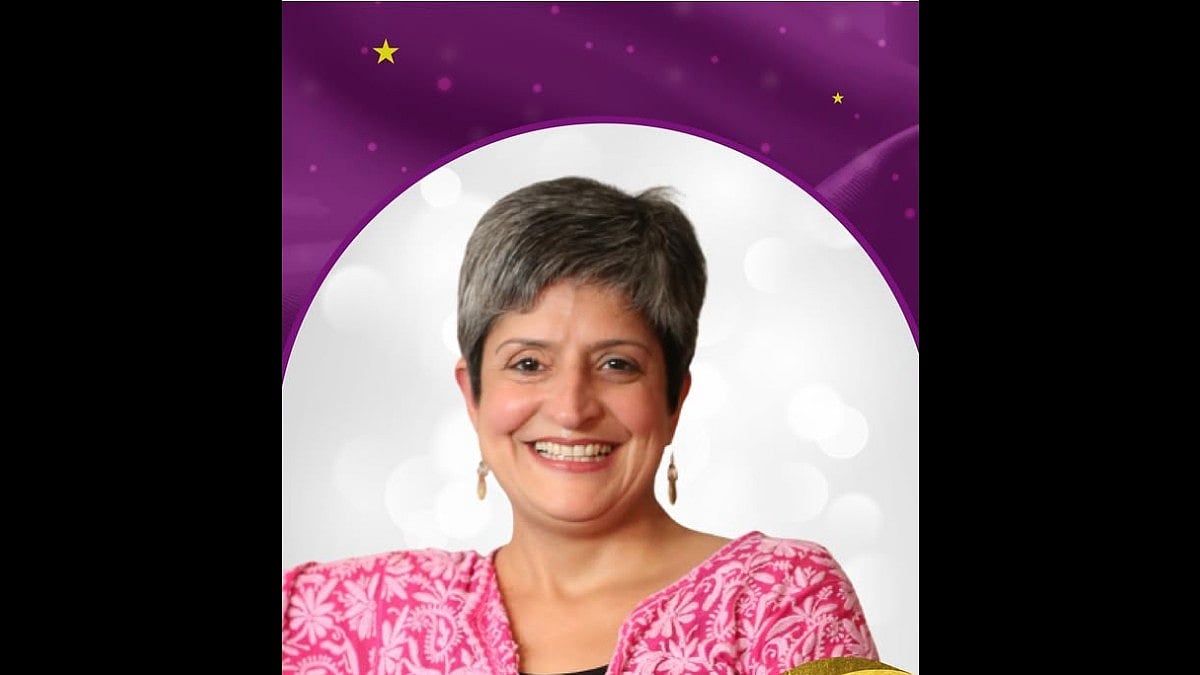
Dilshad Master, Inspirational speaker, entrepreneur, former SVP & COO (Star TV, Nat Geo, UTV), cancer survivor, outdoors expert |
Dilshad Master, an inspirational speaker and corporate coach, media industry veteran and a cancer survivor who herself is an adventurer and explorer, says nobody should be excluded from the outdoors, whatever the reason. “What Anusha is doing is absolutely fabulous. Having led treks myself, I can tell you, it isn’t easy to lead people with physical challenges,” says Master. “It needs tremendous experience, a whole lot of patience, both of which Anusha has in abundance.”
Refusing to accept the idea that disability and the wild are incompatible, Anusha also organises half-day activities for neurodivergent children with their parents, in collaboration with a mental health professional.
Anusha’s work widens the definition of who belongs in the mountains. For many of her participants, the experience is less about summits than about reclaiming agency. As Anusha leads, the outdoors become a place to discover what they can do, not what they cannot.

