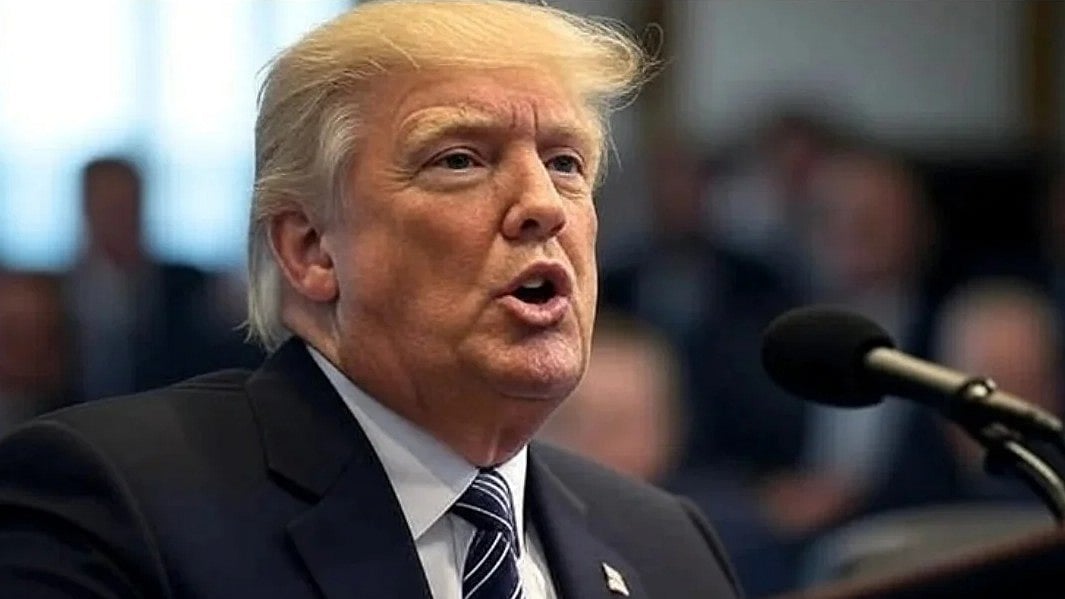
Washington: The Board of Peace being proposed by President Donald Trump would not require countries to pay an entry fee or mandatory dues, a senior US official said, seeking to address questions about how the initiative would operate.
Asked whether a reported $1 billion figure amounted to a buy-in, the official said it did not. “No. Countries that make significant contributions to projects and want to have proper oversight can stay involved,” the official said on condition of anonymity.
The official said membership itself would not trigger any required payments. “No. Membership does not carry any mandatory funding obligation beyond whatever a state or partner chooses to contribute voluntarily,” the official said.
About The Clarifications
The clarifications come as President Donald Trump has floated the idea of a Board of Peace as a new forum for resolving conflicts and preventing wars. The proposal has raised questions among foreign governments about costs, governance, and oversight.
On financial management, the official said strict controls would be built into the system. “The Board will implement the highest financial controls and oversight mechanisms,” the official said.
According to the official, any funds would be kept only in approved accounts at reputable banks. The process would include due diligence by a chief financial officer and approval by the executive board. Payments would require multiple signatures and be subject to know-your-customer and anti-money-laundering checks, as well as sanctions screening.
“Payments will require the right multi-signatory approval threshold, KYC/AML and sanctions screening, and supporting documentation,” the official said.
The official added that monitoring would not be internal alone. “Oversight is enforced through an Audit & Risk subcommittee and an independent annual external audit with published financials,” the official said.
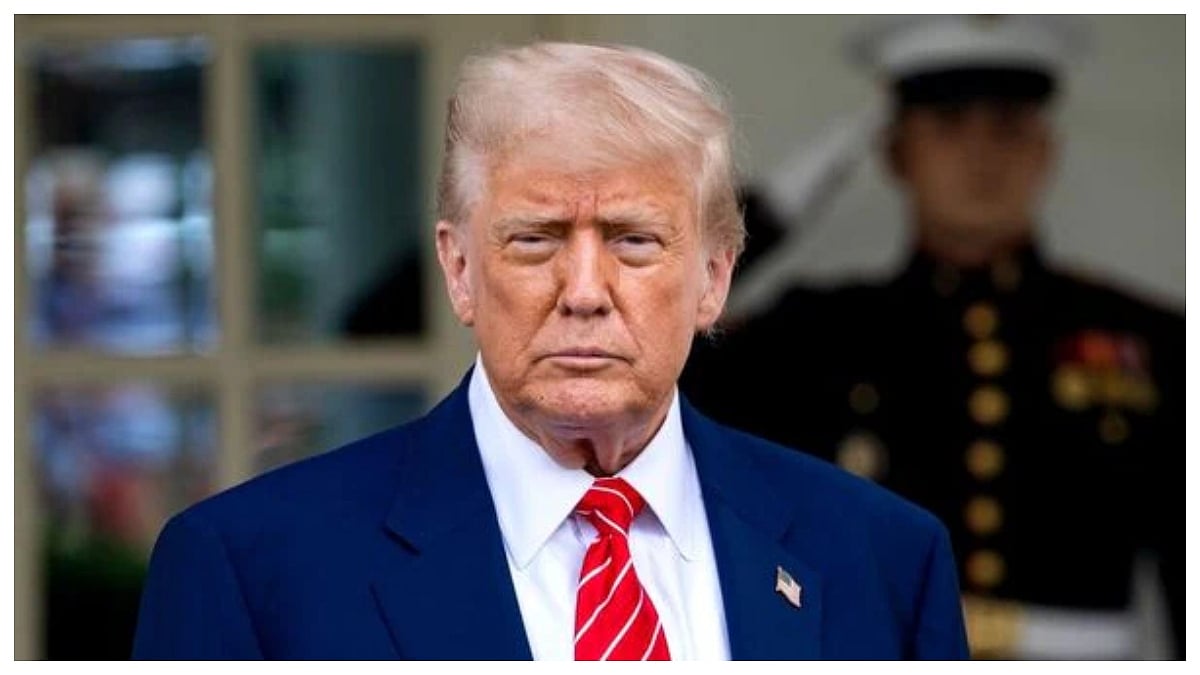
Questions were also raised about leadership of the proposed body, particularly whether Trump would hold the chairmanship indefinitely or whether it would automatically pass to future US presidents.
“The Chairmanship can be held by President Trump until he resigns it,” the official said.
At the same time, the official said the role is not permanently tied to the individual occupying the White House. “A future US President, however, may choose to appoint or designate the United States’ representative to the Board,” the official said.
The responses were aimed at dispelling concerns that the Board would function like a dues-based organization or impose binding financial obligations on participants. The emphasis, the official said, would be on voluntary contributions and shared oversight by those who choose to support specific projects.
By outlining audit requirements and banking safeguards, the official sought to reassure potential partners that any funds would be tightly controlled and transparent, with public disclosure through annual audits.
The proposed Board of Peace has been described by Trump as a platform that could bring together leaders directly to resolve disputes. He has argued that existing institutions have often been too slow or ineffective in stopping wars.
(Except for the headline, this article has not been edited by FPJ's editorial team and is auto-generated from an agency feed.)

