In a moment of significance—if perhaps fleeting—diplomatic relief for India, the resounding defeat of the Jamaat-e-Islami-led Islamist coalition has provided New Delhi the necessary room to recalibrate and strengthen its ties with the Tarique Rahman-led Bangladesh Nationalist Party (BNP).
Regardless of the final electoral outcome, this coalition has successfully asserted itself as a formidable political force—a milestone without precedent since the country’s independence. By enforcing a de facto exile of the Awami League from the political arena, these Islamist parties stoked deep-seated anxieties in New Delhi.
Left with little recourse but to observe from the sidelines, India had to tackle a transformed political scenario following the sudden collapse of Sheikh Hasina’s government in August 2024.
To complicate matters, Muhammad Yunus’s interim government banned the Awami League, led by Hasina, on May 10, 2025.
A cautious thaw
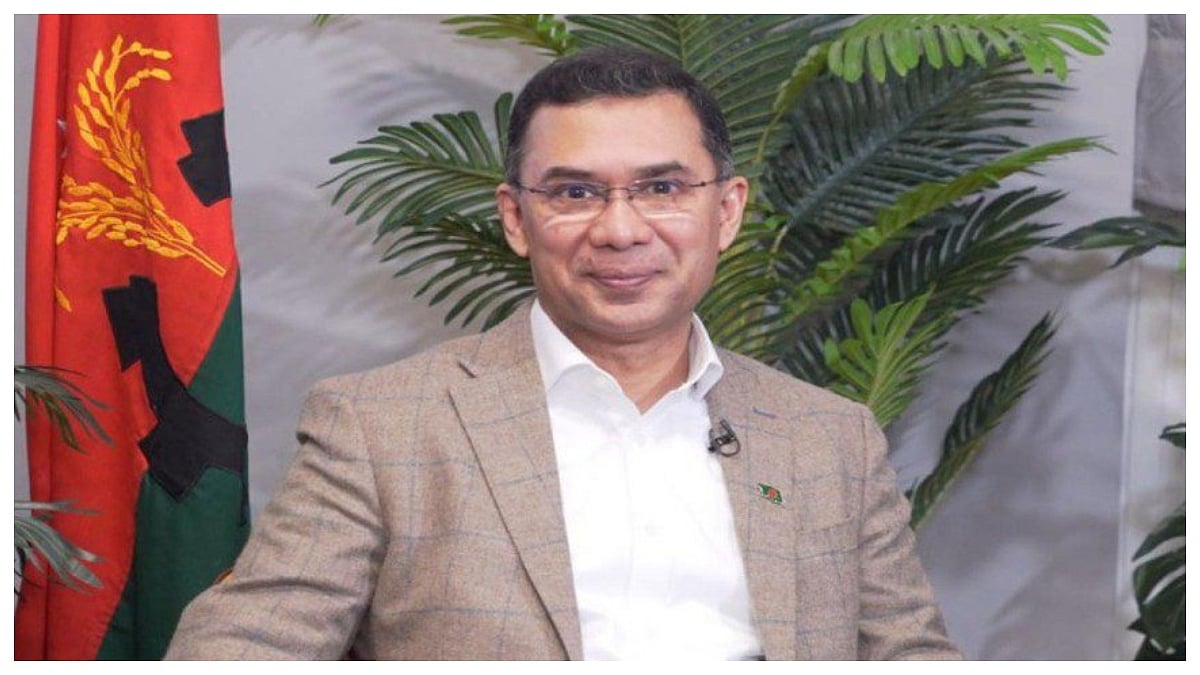
Following 18 months of hardened stances and chilled relations, a cautious thaw is finally emerging between New Delhi and the Tarique Rahman-led BNP, which is now poised to take the reins from Yunus’s interim government.
Both nations appear willing to mend ties and embark on a path toward reconciliation. Moving forward, India will undoubtedly maintain a watchful eye on post-election developments to ensure its strategic interests remain secure.
In view of the BNP's decisive victory in the February elections, Prime Minister Narendra Modi took to X (formerly Twitter) to offer a formal validation of the new leadership.
"I convey my warm congratulations to Mr. Tarique Rahman on leading BNP to a decisive victory in the Parliamentary elections in Bangladesh. This victory shows the trust of the people of Bangladesh in your leadership. India will continue to stand in support of a democratic, progressive and inclusive Bangladesh. I look forward to working with you to strengthen our multifaceted relations and advance our common development goals," he said.
'Wait and watch'
Amid the shifting political environment in Dhaka, the Ministry of External Affairs (MEA) maintained a deliberate "wait and watch" policy.
During a media briefing prior to the final results, MEA spokesperson Randhir Jaiswal highlighted India’s commitment to democratic principles while remaining cautious about the emerging power structure.
He said, "We should wait for the outcome of the elections to see what sort of mandate has come out, and, thereafter, we would look at the issues there. On the election, per se, you know what our position has been. We stand for free, fair, inclusive and credible elections in Bangladesh."
The watchful stand of India did not happen out of the blue.
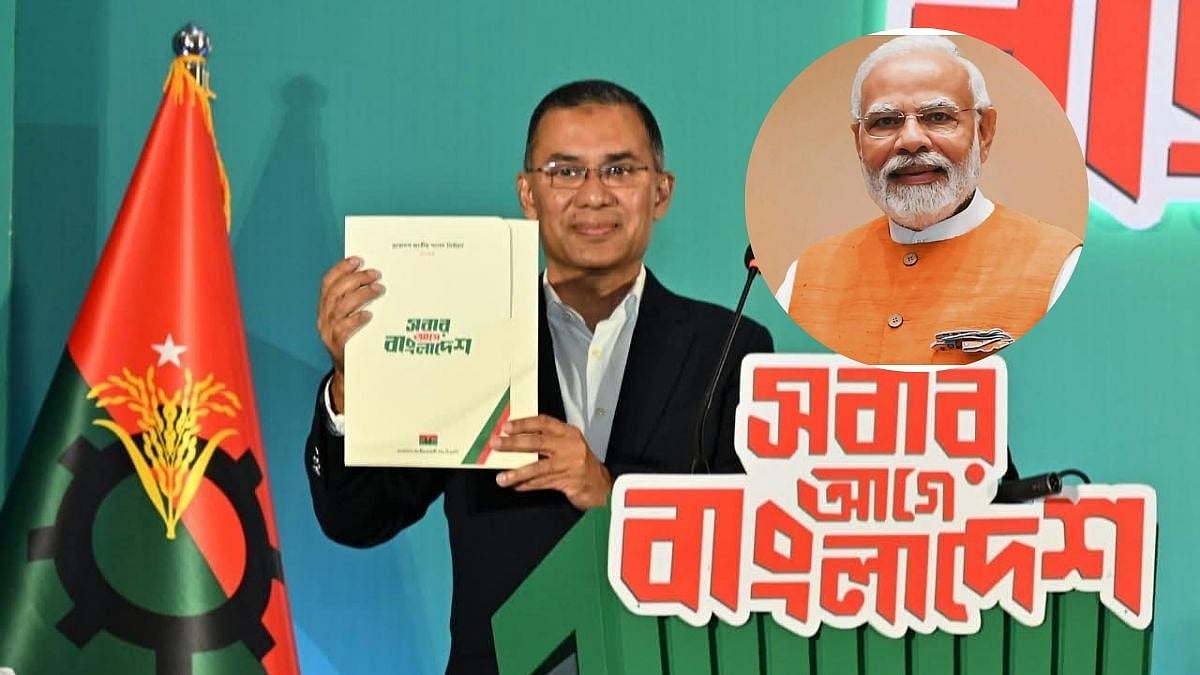
In its electoral roadmap unveiled a week ago, the BNP pledged a "resolute stance" to terminate "border killings" and involuntary repatriations, both indirectly aimed at India.
"Friend Yes, Master No" seemed to be the new awakening.
Furthermore, the party committed to "decisive interventions" to secure equitable hydrological benefits from shared arteries like the Teesta and Padma, which again was aimed at India although not named in the manifesto.
Signed in 1996, the India-Bangladesh Farakka Water Treaty governs the sharing of Ganges waters between the two countries.
The Hasina factor
Rahman had earlier accused India's hosting of former prime minister Hasina not just as a diplomatic choice, but as complicity in her government's alleged crimes.
By labelling Hasina a "terrorist" who is "destabilising" Bangladesh from Indian soil, the party had earlier made it clear that New Delhi's "refuge" policy could become a non-negotiable roadblock to future bilateral cooperation and business.
Unpredictable ties: Thaw and thorn
Despite the tough stances, diplomatic ice between Newe Delhi and Dhaka began to break a bit when Prime Minister Modi expressed his heartfelt condolences to Rahman, who returned to Bangladesh late last year after 17 years of self-imposed exile.
The shift followed the passing of Khaleda Zia, 80, in Dhaka on December 31, 2025. Prime Minister Modi personally reached out to Rahman, noting that while Zia’s passing leaves an irreplaceable void, her vision and legacy will endure.
According to the news agency ANI, a formal letter from Prime Minister Modi was delivered to Rahman by External Affairs Minister S Jaishankar, who travelled to Dhaka to attend Zia’s funeral.
In the letter, Modi described Zia as a leader of “rare resolve and conviction,” writing, “I was deeply saddened to learn of the passing away of your mother, Her Excellency Begum Khaleda Zia, former Prime Minister of Bangladesh and Chairperson of the Bangladesh Nationalist Party. Please accept my heartfelt condolences on this profound personal loss. May her soul rest in eternal peace.”
Recalling his first meeting with Zia in Dhaka in 2015, the prime minister noted her significant contributions to the development of Bangladesh and to "strengthening India-Bangladesh relations."
This diplomatic overture was met with a prompt and positive reception in Dhaka. In early January, the BNP formally acknowledged Prime Minister Modi’s condolence message, reflecting on Begum Zia’s enduring role in shaping the bilateral relationship.
In a post on social media on January 3, 2026, the party expressed its gratitude, stating: “We sincerely appreciate your message of condolence and remembrance, Honourable @narendramodi. Begum Khaleda Zia’s contributions to Bangladesh–India relations will be remembered.”
Path forward: A pragmatic reset?
As the dust settles on this historic mandate, the "wait and watch" policy that defined New Delhi’s approach for 18 months is gradually yielding to a strategy of cautious engagement.
While the BNP’s "Bangladesh First" rhetoric and its tilt toward issues like river-water rights and border management signal a more assertive neighbour, Rahman’s recent conciliatory tone offers a window for a pragmatic reset.
For India, the challenge lies in handling a complex, multi-polar reality shifting away from the Hasina-era comfort. In this new chapter, the success of the relationship will depend on the abilities of New Delhi and the new government in Dhaka to find common ground on regional security and shared prosperity.