
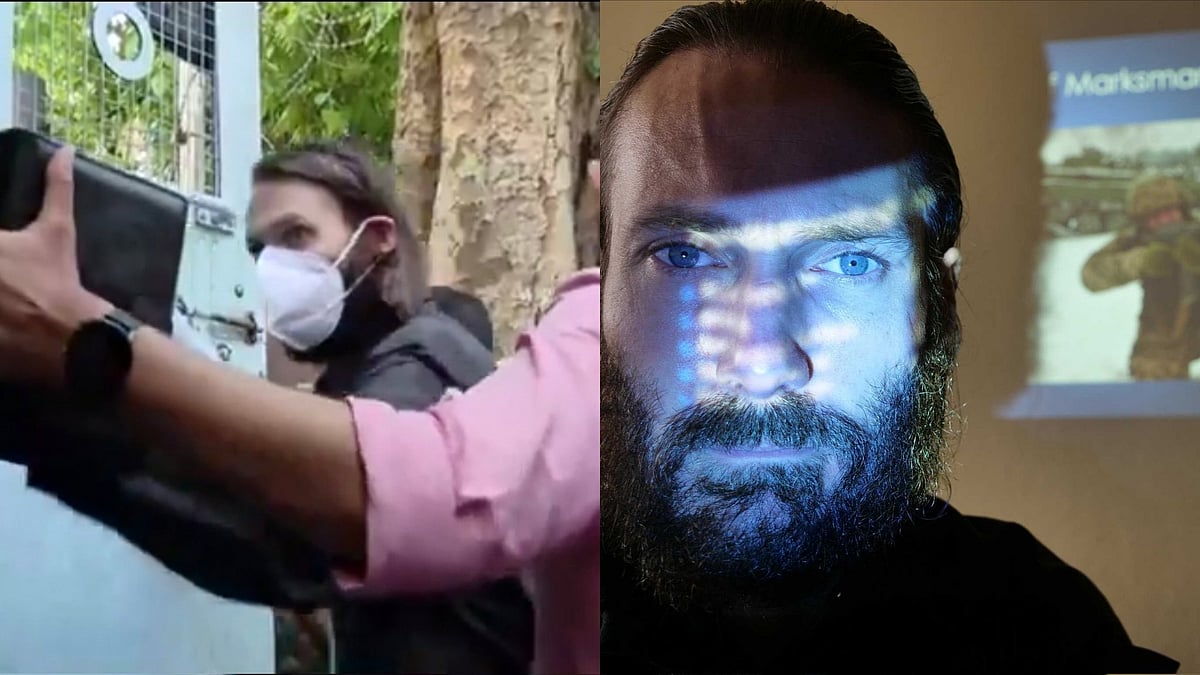
US national Matthew Aaron VanDyke, who was granted default bail in a case involving alleged military training of ethnic armed groups in Myanmar, appeared before a National Investigation Agency (NIA) court at Delhi’s Rouse Avenue Court complex on Friday after returning from the United States.
According to CNN-News18, VanDyke appeared before the court in compliance with its directions issued in September, when he was permitted to travel to the US for one month to meet his family.
The court had allowed the visit on the condition that he return to India, appear before it and inform it of his arrival within 72 hours. VanDyke complied with these requirements following his return.
VanDyke Granted Default Bail After 180 Days In Custody
The Special NIA Court granted VanDyke default bail on September 18, 2026, after finding that the charge sheet submitted by the investigating agency on September 8 was incomplete.
The order came after VanDyke had spent more than 180 days in custody following his arrest on March 13.
While granting bail, the court invoked Sections 21 and 23 of the Immigration and Foreigners Act, 2025, and dropped provisions of the Unlawful Activities (Prevention) Act (UAPA) that had initially been invoked against him.

Following his release, VanDyke paid ₹5.5 lakh in compounding charges to the Foreigners Regional Registration Office (FRRO) to settle alleged immigration violations under the Immigration and Foreigners Act.
His legal team had also indicated that it intended to seek his discharge from the case.
NIA Alleges Drone Warfare Training For Myanmar Armed Groups
The NIA arrested VanDyke along with six Ukrainian nationals, identified as Maksym Honcharuk, Petro Hubra, Ivan Sukmanovskyi, Marian Stefankiv, Taras Slyviak and Viktor Kaminskyi, on March 13, 2026.
According to investigators, the seven suspects allegedly entered India on tourist visas, travelled to Mizoram without the necessary permits and crossed the border into Myanmar, where they are suspected of providing military training to ethnic armed groups.
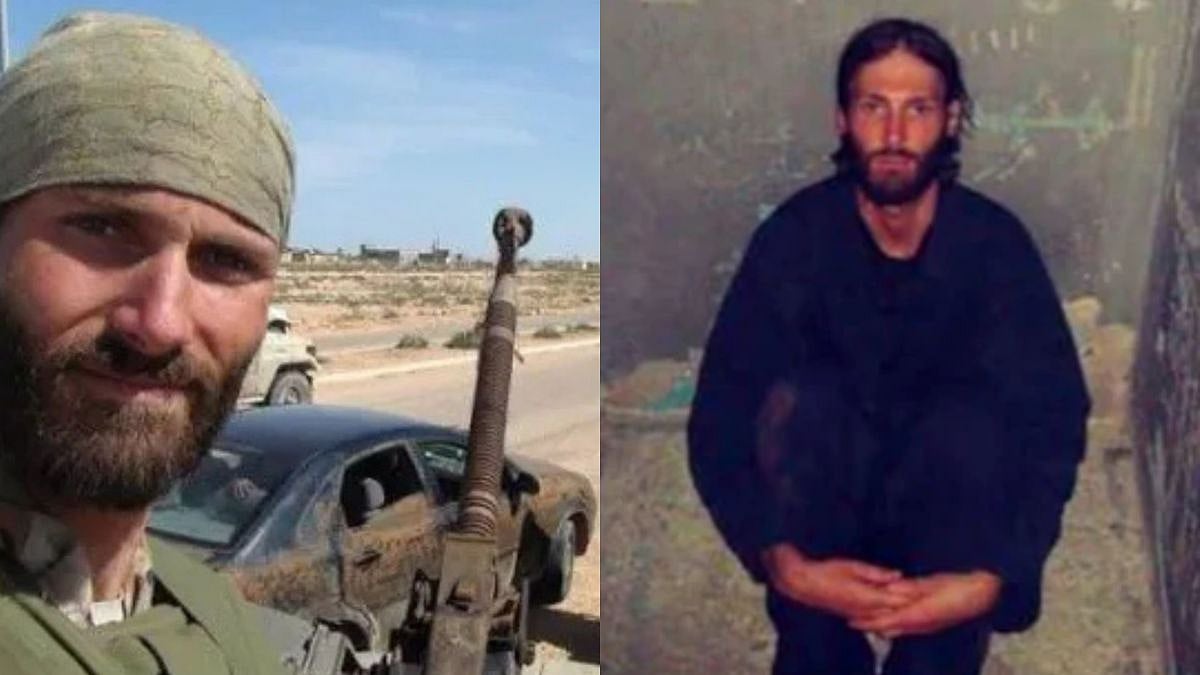
The agency alleged that the training included drone warfare, drone operations, drone assembly and electronic jamming, apart from conventional combat techniques.
Investigators also suspected that the group facilitated the movement of advanced drone equipment from Europe for use by armed groups operating in Myanmar.
The NIA believes the alleged network had been active since 2024, with its members making repeated visits to Myanmar to train insurgent groups and facilitate the transportation of drones and electronic jamming devices.
Investigators Probe Local Facilitators And Wider Network
The NIA is examining whether local facilitators helped the suspects travel through Mizoram and carry out their alleged activities across the Myanmar border.
Although seven people were initially arrested, intelligence inputs cited in the report suggested that nine others could be associated with the suspected network.
Investigators are also looking into the possibility of a wider network operating beyond those already arrested, including potential connections within India.
The alleged use of Mizoram’s porous border with Myanmar for transporting equipment and facilitating military training has also come under scrutiny.
According to reports, Russia provided the initial intelligence that led to the investigation. The NIA subsequently monitored the suspects for around three months before arresting them in March.
Investigation Into Possible UAPA Offences Continues
Despite the court dropping UAPA provisions while granting VanDyke default bail, the NIA has maintained that its investigation into possible offences under the legislation remains underway.
The agency is continuing to examine the alleged training activities, the movement of drone-related equipment and the possible involvement of additional individuals in the suspected network.

