
Foreign Secretary Vikram Misri’s remarks that the long-pending Eminent Persons Group (EPG) report would no longer determine its Nepal relationship took much of the gathered media by surprise. Speaking at a press briefing, Misri said India was looking to the future, and henceforth, India-Nepal ties would be governed by the Joint Vision Document signed by Prime Minister Modi and his Nepali counterpart, Balen Shah, during the latter’s two-day state visit to Delhi.
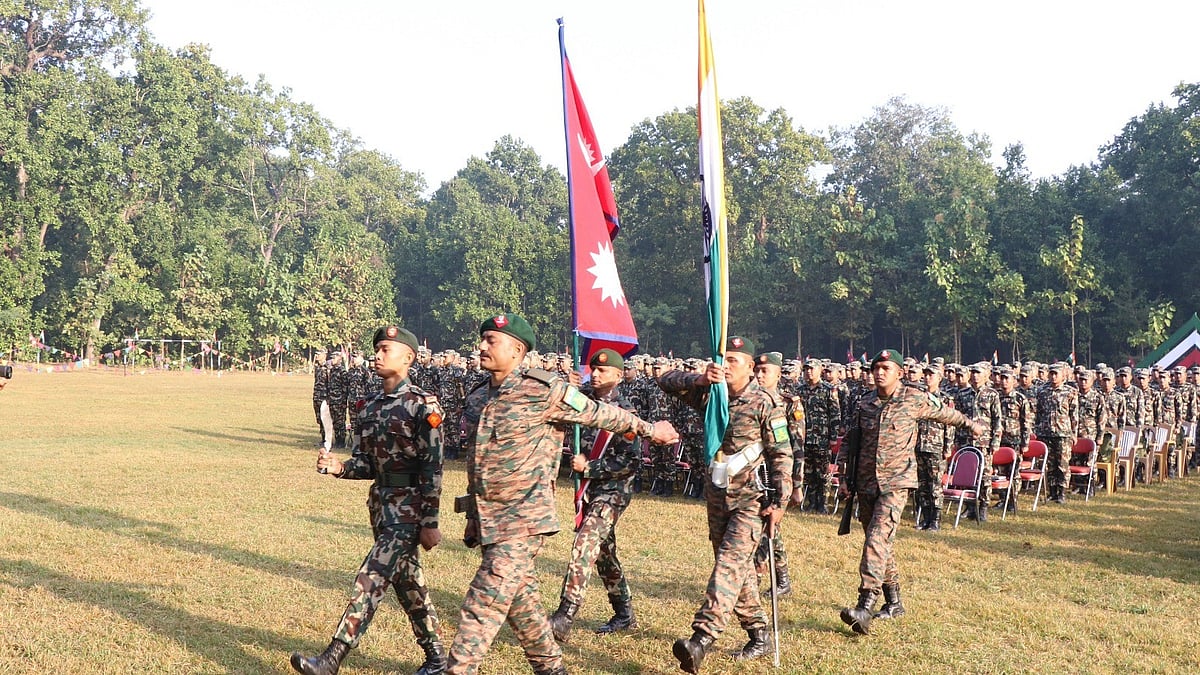
Misri’s remarks are significant, as the EPG report has been a long-standing issue between India and Nepal. In 2016, both nations agreed to appoint an Eminent Persons Group (four from each side) to look at the bilateral relationship and to review and update the India-Nepal Friendship treaty of 1950, which Kathmandu believes belongs to another era. Work on the report finished in July 2018 with the understanding on the Nepali side that it would be handed over to the Indian prime minister, who would then hand it over to his Nepali counterpart. This never happened for reasons that remain unknown, and the report was stalled.
Kathmandu has continued to argue for the EPG, but Delhi believes that that ship has sailed. Former diplomat and ambassador to Nepal Manjeev Puri said there was no use in “revisiting the past", and it was time both India and Nepal moved on. Former ambassador Rakesh Sood agreed with this sentiment and added. “There is no obligation for a report to be handed over to the prime minister and that he take action on it.”
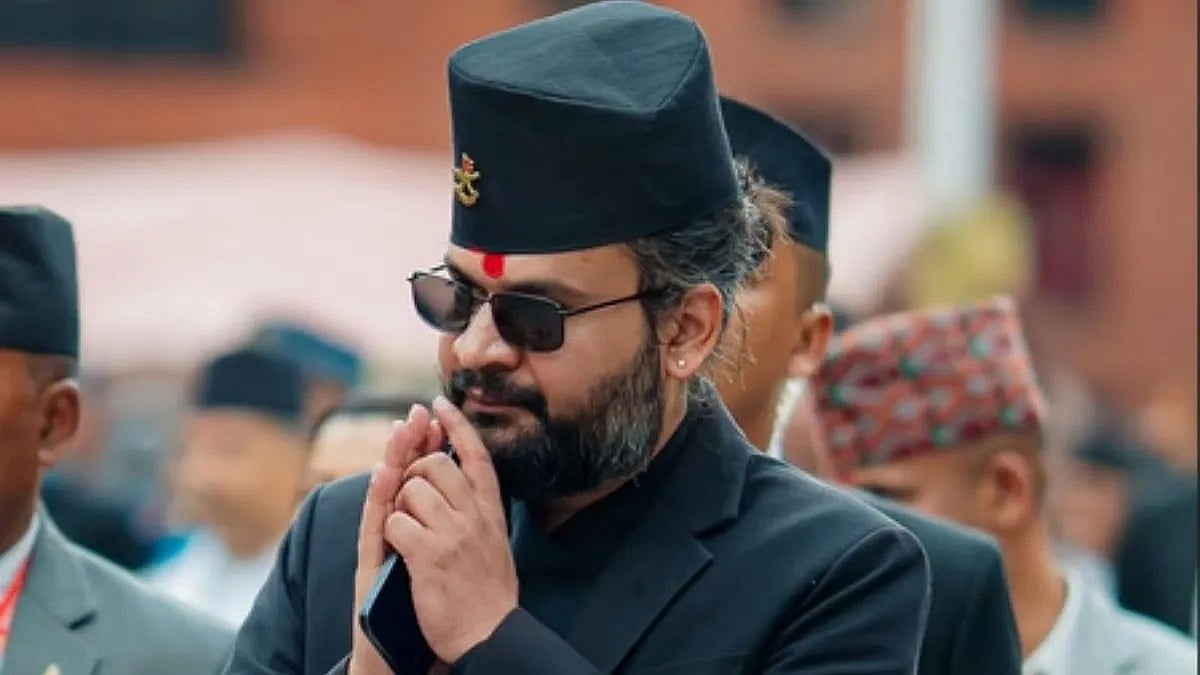
Both ambassadors agreed that Shah had “shown maturity” by not raising the issue of the EPG report, Lipulekh, and the boundary issue during his visit here and focused on initiatives that he could obtain from New Delhi despite him knowing that he would face backlash from his domestic constituencies for not raising these issues. The result was a document which provided a much-needed reset to the relationship.
Prime Minister Shah received the largest ever aid package from India, of Rs 15,000 crore (24,000 crore Nepali rupees). Connectivity was also another big issue with Nepal securing transit access through the Deendayal port (Kandla) and Paradip Port in Odisha thereby reducing its reliance on a single Indian corridor. India has also agreed to make the Kathmandu–Bhairahawa–Lucknow air route bidirectional which means another international entry point for Nepal. Though technical work has yet to begin, the political clearance has been given. India has also agreed to set up an IIT campus in Kathmandu.
The cautious optimism of the Nepali prime minister’s visit to Delhi is by and large shared by analysts in Kathmandu. There are those who believe that Shah could and should have gone further. Nepali politician Gokul Baskota argued that Shah had not raised the concerns of Nepal’s business community regarding tea and plywood exports, had not built up the domestic political consensus at home to raise the boundary issue with India and that India’s aid package came with strings attached.
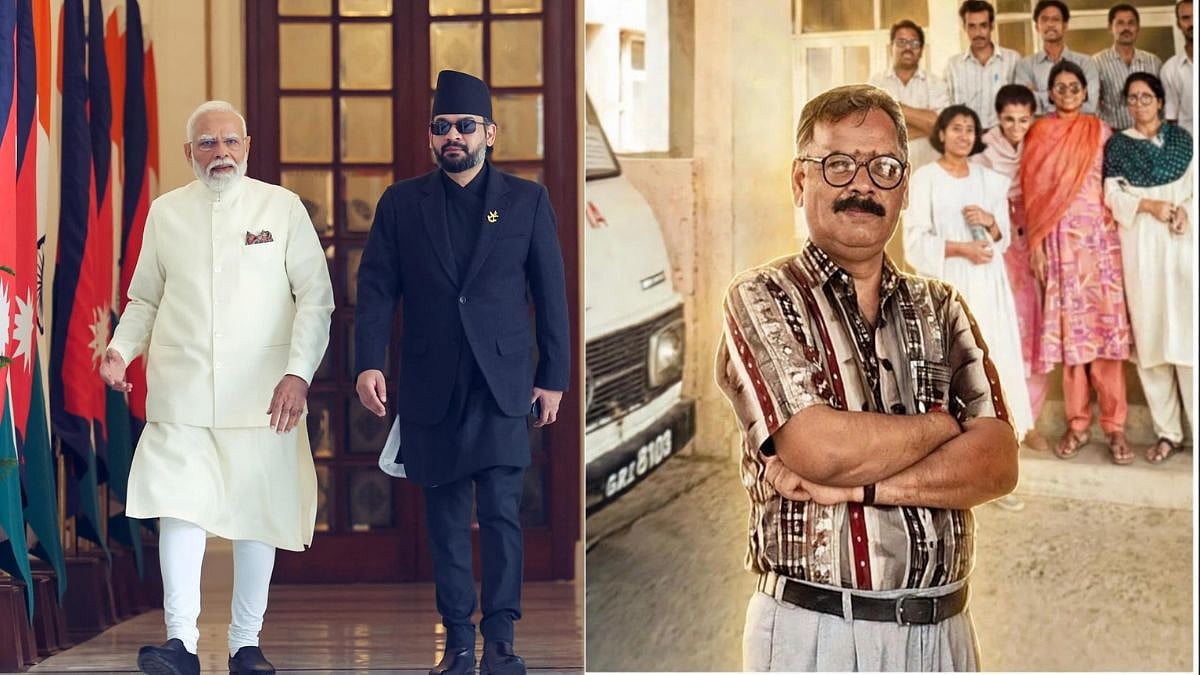
Decoding the Joint Vision Document
Sangeeta Thapliyal, professor of Inner Asian Studies, at the
School of International Studies, JNU explains the implications of the Joint Vision Document and what it means for Nepal.
1. The Joint Vision document focuses on economic partnership between the two countries. It identifies several areas of cooperation including economic and development partnerships, infrastructure and digital connectivity, good governance, sports, culture and tourism, health and agriculture. Cricket Academy in Nepal, the opening of the IIT campus, or expanding digital connectivity are a few projects which reflect the aspirations of the younger generation of Nepal, which also constitutes a strong support base for Prime Minister Balendra Shah.
2. Prime Minister Shah did not carry the political baggage that the established political parties of Nepal had in their relations with India. They used India as a factor in their domestic politics. Rather than concentrate on the past differences to dominate bilateral engagement, Shah focused on securing tangible outcomes and deliverables from India.
3. However, the priority should be on timely implementation of the projects; otherwise, Viksit Bharat and Samunnat Nepal may remain just aspirational words in a vision document. Economic cooperation can help reset the relationship, provided projects are completed and help meet the aspirations of the people of the two countries.
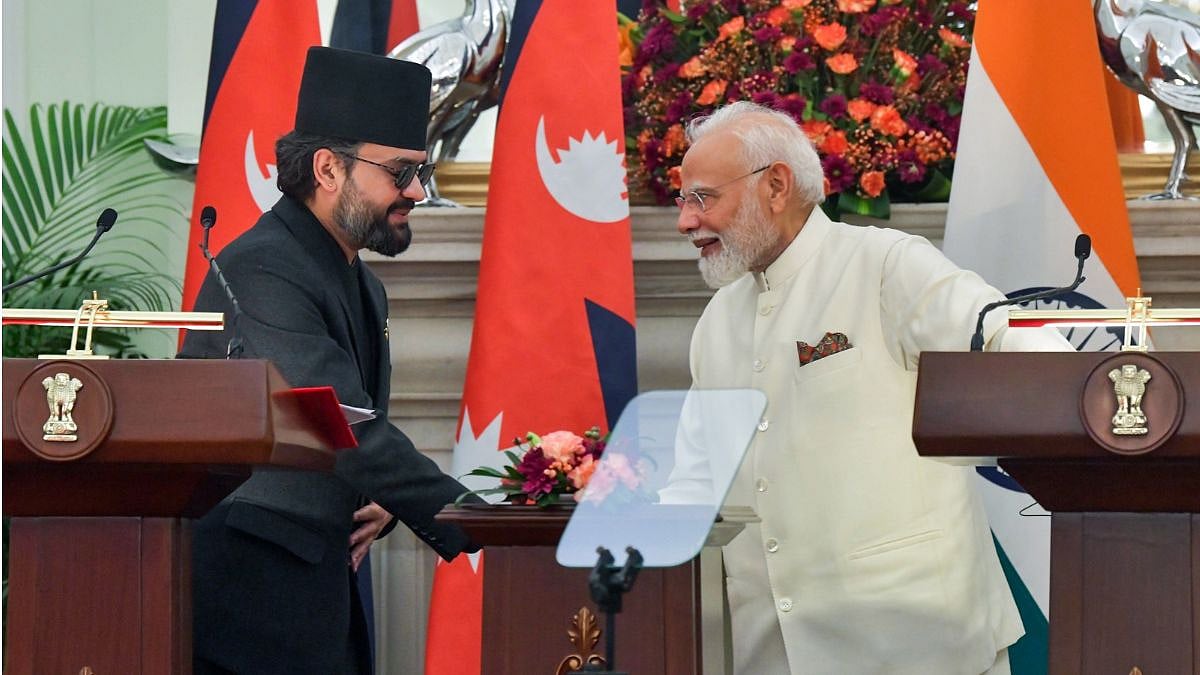
“Any lender will provide a loan once interest is assured,” Baskota wrote in a social media post referring to the fact that ₹11,500 crore of the aid package is a line of credit, which Nepal will repay under agreed terms.” He also criticised the open nature of the vision document stating that the deliverables came with no specific timelines which ensured that Nepal had surrendered the ability to raise key concerns for little in return.
Baskota’s claims regarding slow timelines are not without foundation. Senior diplomats point out that New Delhi has been slow regarding the delivery of infrastructure projects to Kathmandu. India took 20 years to develop the Nepal Police Academy and had taken at least a decade to create three ICP (International checkpoints). In contrast, China has taken three to four years to deliver on similar projects. Diplomats added that New Delhi also needed to work on better communication with Nepal. India’s Agnipath military recruitment scheme, announced without discussions with Nepal, angered Kathmandu, who stopped sending Nepali Gorkha soldiers to serve in the Indian Army. The issue now has escalated within India and Nepal.
Despite such criticisms, many are in agreement that Shah’s visit was a much-needed corrective to a relationship that is vital to both sides. As diplomats on both sides point out, despite the issues, India cannot do without Nepal, and Nepal cannot do without India.

