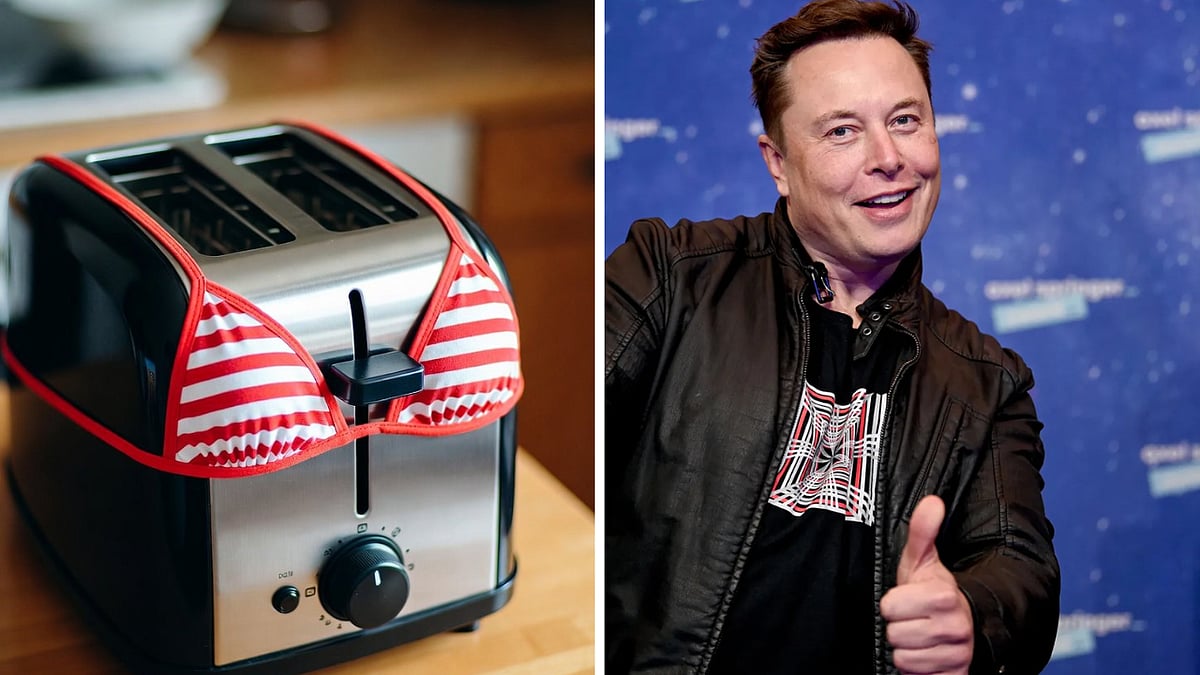
Elon Musk, CEO of Tesla and SpaceX, on Saturday shared a post featuring a viral image generated by Grok AI showing a red-striped bikini placed on a kitchen toaster, captioned “Not sure why, but I couldn’t stop laughing about this one.” The post quickly went viral on X, amassing over 8 million views within 24 hours
Soon after Musk’s post gained traction, several X users began sharing their own Grok-generated images placing bikinis on Starships, Cybertrucks, historical figures, and even Elon Musk himself. While many users described the trend as hilariously absurd and harmless fun, the wave of AI-generated images soon drew criticism
While many users found it hilariously absurd and wholesome. A notable portion calls it out as enabling harassment. Women reported random users asking Grok to edit their photos into bikinis/lingerie without consent, describing it as "not fun" or "harassment."
A notable section of users called out the trend for enabling harassment, particularly against women. Several women reported instances where random users used Grok to edit their photos into bikinis or lingerie without consent, describing the experience as “not fun” and “harassment.”
One user accused Musk of downplaying the risks, writing that it is “easier to laugh when it’s not women or kids being targeted.” Others linked the issue to broader concerns around AI-powered deepfakes, warning of long-term consequences if safeguards remain weak.
Grok, the AI chatbot developed by xAI, is designed to be “maximally truth-seeking” and operates with fewer content restrictions than competitors such as ChatGPT or Gemini. While this approach allows more open-ended responses and image generation, it has also exposed serious vulnerabilities.
The platform’s image-editing feature enables users to upload photos and prompt visual changes, including altering clothing. Critics argue that this capability has facilitated the non-consensual sexualisation of real people, predominantly women, intensifying calls for stronger safeguards and clearer boundaries in AI content generation.

