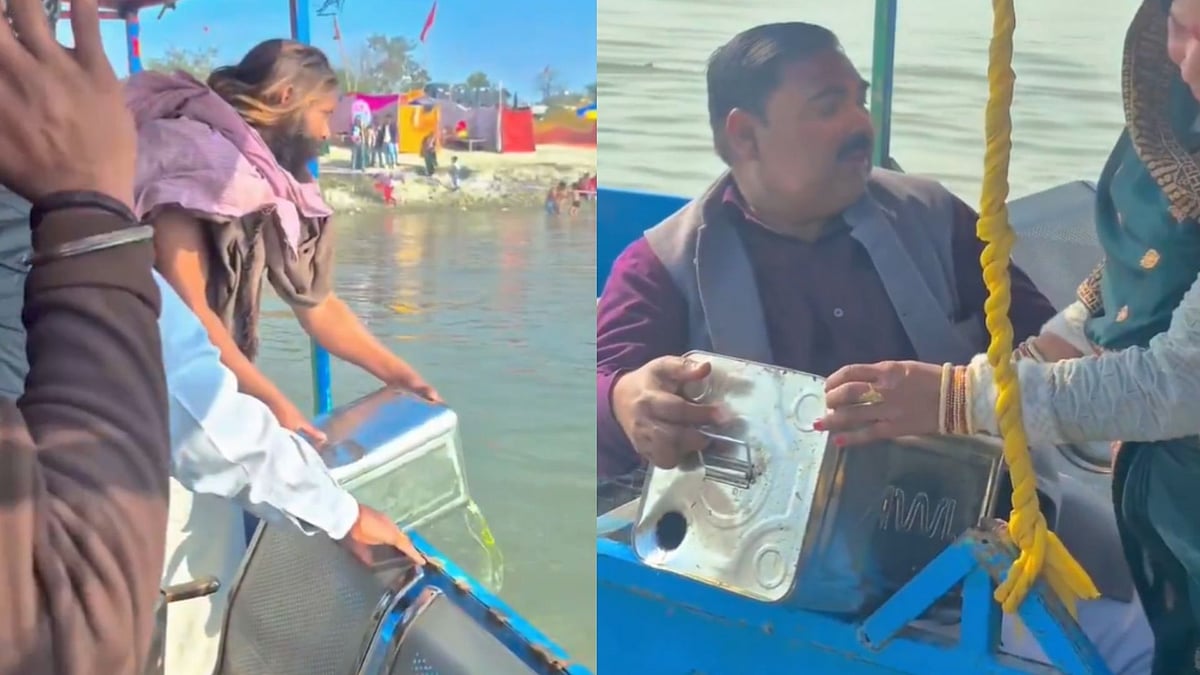
A recent viral video showing devotees pouring a massive quantity of desi ghee into the Ganga River during a religious ritual has ignited a heated discussion across social media platforms. The act, believed to involve over 165 litres of ghee, has divided public opinion, with reactions ranging from deep reverence to strong criticism.
Faith meets environmental concerns
Supporters of the ritual view the offering as a powerful symbol of devotion, surrender, and spiritual faith. According to traditional beliefs, such offerings are meant to please the divine and invite blessings. Many users defended the act, stating that religious practices should not be questioned and that faith is a deeply personal matter.
However, critics raised serious concerns about the environmental consequences of such actions. Environmentalists and social media users alike pointed out that the Ganga is already struggling with heavy pollution, untreated sewage discharge, industrial waste, and plastic contamination. Adding large quantities of food substances like ghee, they argue, could further disrupt aquatic life and water quality.
Netizens express outrage
The video sparked intense reactions online. One user wrote, “How can we justify polluting our rivers in the name of devotion?” Another added that pouring such amounts of ghee could lower oxygen levels in the water, affecting fish and other organisms, potentially leading to ecological damage.

Some users also highlighted the moral dilemma, suggesting that the same resources could have been better utilised. One comment noted that the money spent on ghee could have helped feed hundreds of underprivileged families or contributed to river-cleaning initiatives.
On the other hand, several voices defended the act, emphasizing religious freedom. A supporter commented, “This is their faith. Why interfere? Everyone should follow their beliefs without imposing opinions on others.”
Larger debate
The incident has once again brought to light the ongoing debate between preserving ancient traditions and embracing modern environmental responsibility. While religious rituals hold immense cultural value in India, experts suggest that sustainable alternatives can help balance faith with ecological care.
In recent years, initiatives like biodegradable offerings, symbolic rituals, and eco-friendly immersion practices have gained attention. Many spiritual leaders and environmental groups now advocate for mindful worship that protects natural resources, especially rivers that are both sacred and essential for survival.

