Varanasi: Those who have faith in Sanatan Dharma believe that Lord Shiva does not exist somewhere outside, but resides in every being that disciplines life through love, sacrifice, and penance. This is why the Sanatan tradition does not see any distance between a devotee and the divine. One who meditates upon Shiva eventually becomes immersed in Shiva consciousness. During the month of Sawan, when millions of Kanwariyas walk barefoot for hundreds of kilometres carrying holy Ganga Jal on their shoulders, they do not merely go to offer water; they become a living embodiment of the penance that Lord Shiva practised in the solitude of Mount Kailash. For the Uttar Pradesh government and Chief Minister Yogi Adityanath, this sentiment holds the deepest significance. A Kanwariya is not merely a devotee but a moving representation of Lord Shiva, and as the Kanwar Yatra is set to begin soon, Uttar Pradesh is ready to welcome these ascetics and shower flowers upon them.
For a smooth and uninterrupted Kanwar Yatra, the Yogi government has completed all preparations well in advance. Chief Minister Yogi Adityanath himself is monitoring the arrangements. It reflects a sensitivity towards faith where the administration stands alongside the devotees. Road repairs, uninterrupted electricity and water supply, and deployment of medical camps are all aimed at ensuring that no devotee suffers hardships during the journey. When the government develops roads considering them as pathways of Shiva, it removes the barrier between administration and faith. This same sentiment has also guided security arrangements. CCTV surveillance and drone monitoring along the routes, additional police forces at sensitive locations, special security arrangements for women devotees, and deployment of divers and water police at Ganga ghats are all extensions of the approach where the state sees itself as a servant of the devotees.
This approach has also helped streamline medical and sanitation arrangements. The availability of anti-venom and anti-rabies injections, rest areas and drinking water facilities at camps, regular cleaning of toilets, and proper lighting along the routes have all been ensured so that devotees do not face difficulties. The decision to keep meat and liquor shops closed along the route and the mandatory display of shop owners’ names are not merely issues of law and order; they are also about respecting the sanctity of the pilgrimage. Pure conduct and self-restraint are the first requirements of penance, and by taking steps in this direction, the Yogi government has become a partner in the devotees’ spiritual commitment.
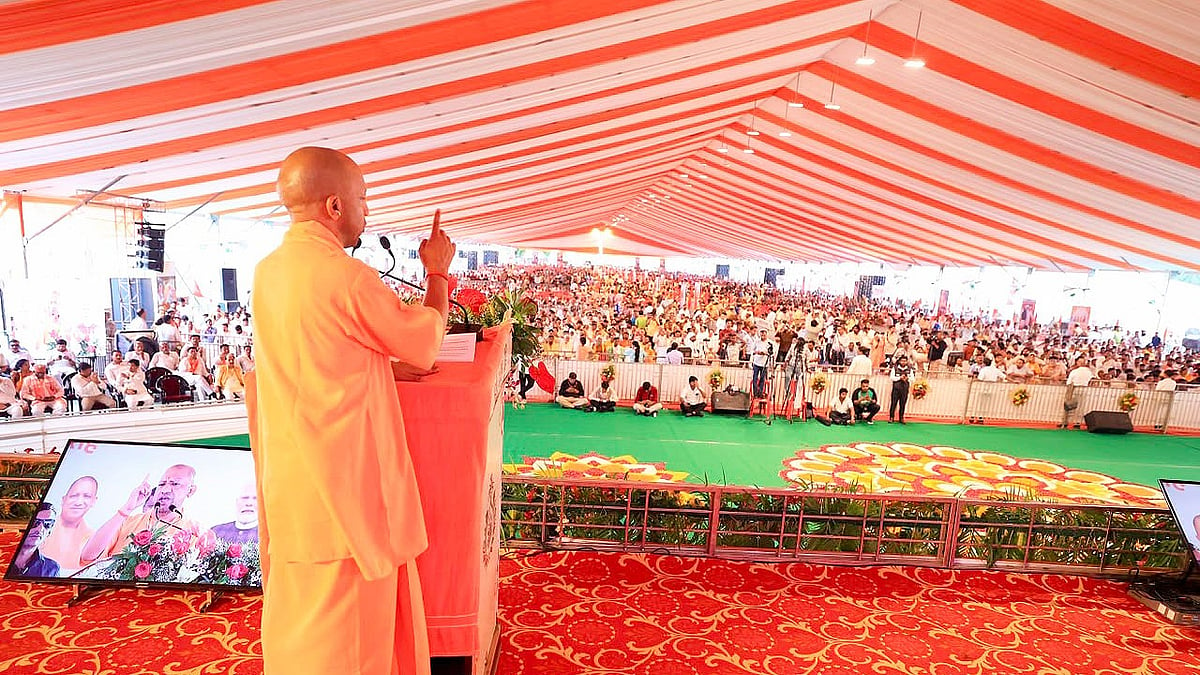
This same spirit has also guided regulations regarding DJ sound levels. Celebration and enthusiasm are natural parts of devotion, but they should not turn into disturbance; therefore, clear guidelines have been issued. Keeping the convenience of millions of devotees at the centre, alternative routes, diversion points, designated parking areas, and emergency corridors have been created as part of traffic management. Similarly, special teams monitoring rumours and misleading information, along with warnings of strict action against those attempting to disturb communal harmony, show that the government is vigilant to protect this immense flow of faith from any disruption. Coordination with the administrations of Haryana, Delhi, Rajasthan, and Uttarakhand, along with regular dialogue with Kanwar organisations, ensures that this security framework extends beyond the boundaries of a single state.
Nine years of experience have taught the Yogi government that serving faith is a continuously evolving process. Every year, new technology, resources, and experiences are incorporated into the arrangements. Whether it is drone surveillance or digital helplines, these efforts connect traditional faith with modern administrative efficiency. However, at the core of all these efforts lies the same sentiment with which this article began, a Kanwariya is a representation of Shiva, and serving a Kanwariya is itself an act of worshipping Shiva.
Lord Shiva is known as Aghad Dani, the one who generously blesses devotees. He sees the devotion in a person’s heart, not their status or resources. Whether a king or a pauper, an ash-covered forest dweller or an ordinary city labourer, everyone is equal before Shiva on the Kanwar route. This spirit of equality is reflected in the administrative directive where the Chief Minister has clearly stated that the level of arrangements should remain uniform across every district of the state, whether it is a major city in western Uttar Pradesh or a remote town in Purvanchal. When governance adopts this principle of equality, it embraces the fundamental essence of Shiva, where there is no place for discrimination.
Also Watch:
The way preparations for the Kanwar Yatra have incorporated lessons from previous experiences resembles the disciplined practice of a yogi’s spiritual journey. Over the past nine years, the administration has gradually and systematically made the pilgrimage smoother and more organised. Continuous improvement is what makes any large public event successful, and this process is making the Kanwar Yatra safer and better managed every year.
The most emotional aspect of these preparations is that Chief Minister Yogi Adityanath has personally embraced this responsibility. When a Chief Minister instructs officials that the safety and respect of every devotee must remain the highest priority, it sends a message that the state’s sensitivity stands firmly with faith. This is why the preparations for the Kanwar Yatra in Uttar Pradesh have now taken the shape of a cultural commitment.
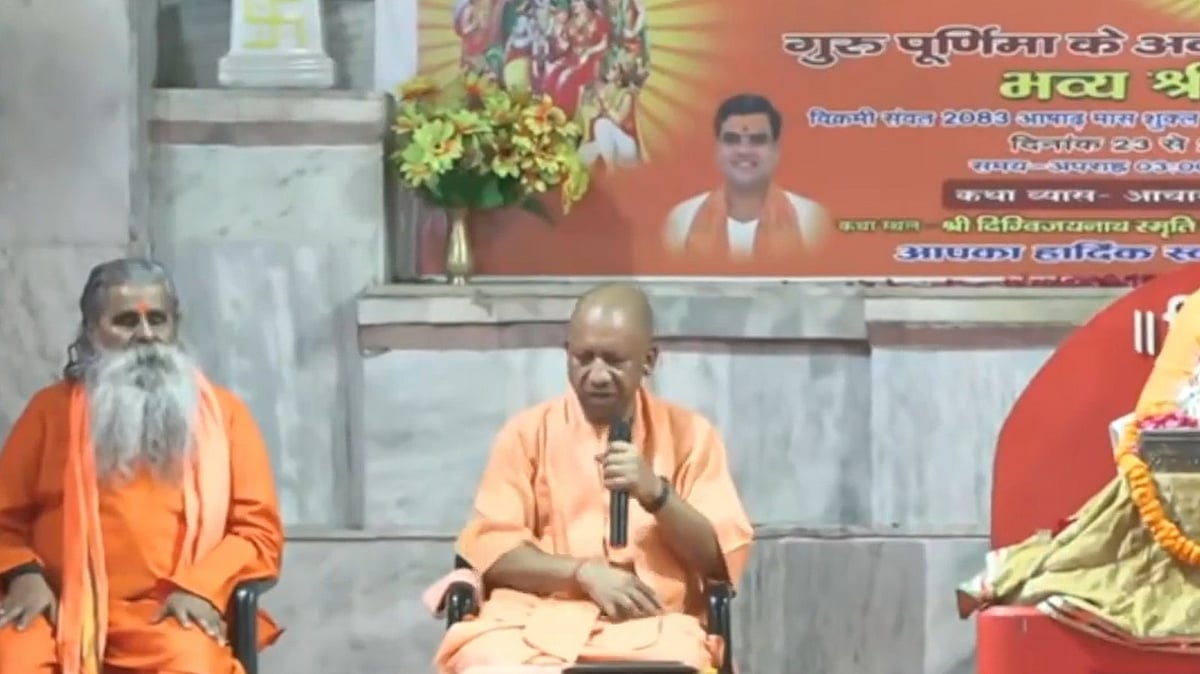
Due to the efforts of the Yogi government, the Kanwar Yatra in Uttar Pradesh has become a symbol of a shared commitment between the state and society. When millions of Kanwariyas take to the roads of Uttar Pradesh carrying Ganga Jal on their shoulders, an entire system will remain active behind them, ensuring their safety, convenience, and dignity at every step. The government understands that it is not serving an ordinary traveller but that divine element of Shiva which resides within every Kanwariya.
This sentiment is the biggest assurance for making the journey obstacle-free, and it continues to prepare Uttar Pradesh for this responsibility every year. Because of this spirit, people across every corner of Uttar Pradesh eagerly await the first day of Sawan. The hearts of devotees are filled with faith and devotion. Enthusiasm is already rising as they wait for the moment when they will carry Kanwars on their shoulders and move towards Haridwar, Gomukh, and Gangotri, chanting the sacred call of 'Bam Bho

