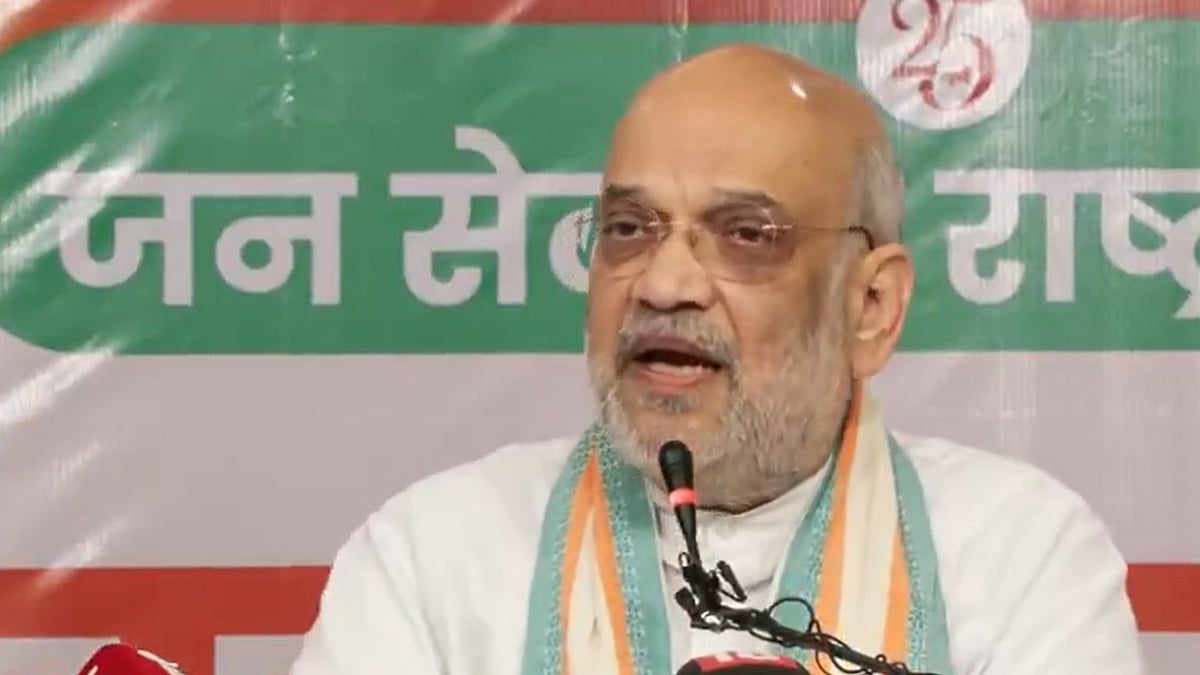
Lucknow: Union Home Minister Amit Shah’s announcement that the Uniform Civil Code (UCC) will be implemented in all 21 BJP-led NDA states before the 2029 Lok Sabha elections has brought the contentious issue back into Uttar Pradesh’s political debate, barely five months before the Assembly polls.
UCC debate returns to UP
Shah made the announcement in Mumbai on September 13, saying the NDA governments would introduce the UCC before 2029. Uttarakhand is currently the only state where a UCC is in force, while Gujarat, Assam and Madhya Pradesh have passed legislation that is awaiting presidential assent.
For Uttar Pradesh, however, the immediate question is whether the Yogi Adityanath government will move towards legislation before the 2027 Assembly election or keep the issue primarily in the political campaign.
The BJP has long counted the UCC among its core ideological commitments. After the construction of the Ram temple in Ayodhya and the abrogation of Article 370, the issue has remained one of the party's major pending agenda items. The BJP had also promised a UCC in its 2024 Lok Sabha election manifesto.
Political contest takes shape
The issue now comes at a time when the BJP and the Samajwadi Party are preparing for a contest centred on caste equations, the PDA formula, youth concerns, jobs, law and order and Hindutva.
UP BJP chief spokesperson Dinesh Pratap Singh said the party remained committed to the UCC. “Just as the removal of Article 370 was part of the BJP’s core objectives, the UCC has always been part of the party’s agenda and election manifestos,” he said, adding that the state government would take steps in the direction following Shah’s announcement.
Allies face questions
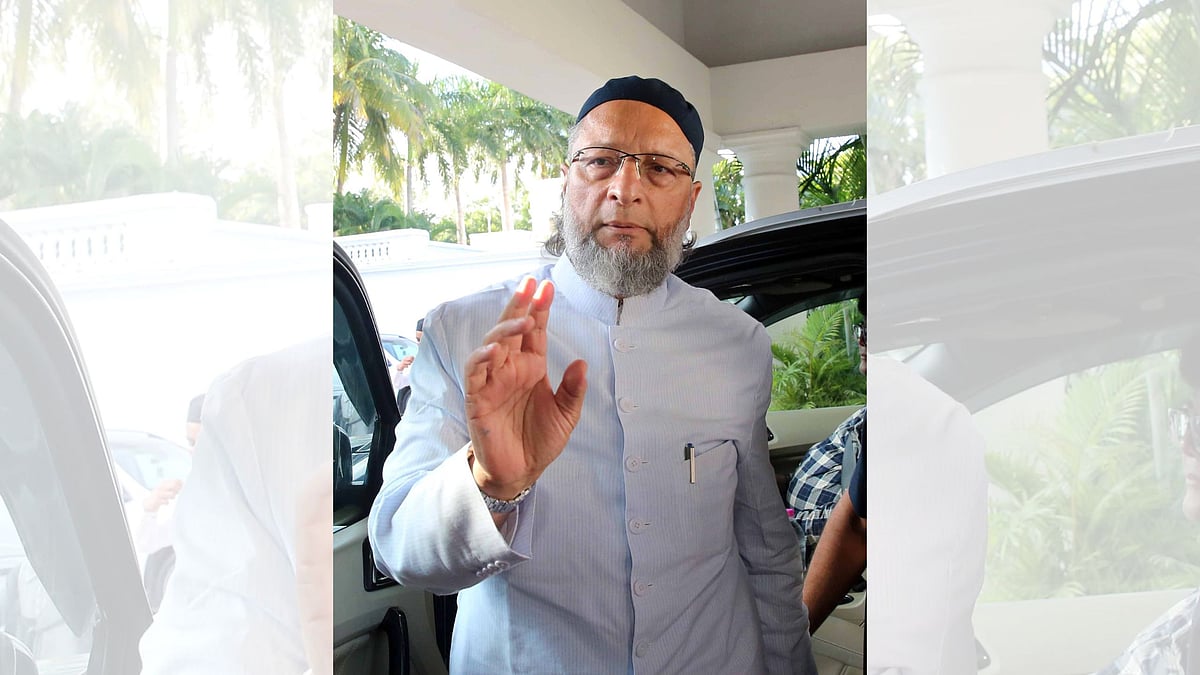
The issue, however, could prove more complicated for the BJP's allies in the NDA. Parties such as the RLD, Apna Dal (S) and the Suheldev Bharatiya Samaj Party have strong caste-based support bases in different parts of the state and have so far avoided taking an aggressive position on the issue.
The question is particularly relevant for parties representing OBC communities and groups with distinct customary practices. The experience of states that have already enacted UCC laws also shows that exemptions and safeguards for Scheduled Tribes and certain customary practices remain part of the legislative framework.
Drafting process remains uncertain
Sources familiar with the matter said the state government has not so far asked the Uttar Pradesh State Law Commission to prepare a UCC draft. A senior commission official said no request had been received from the government for preparing such a draft.
That makes the prospect of legislation before the Assembly election uncertain. A UCC covering marriage, divorce, inheritance, adoption and other personal-law matters would require detailed drafting and consultation, particularly in a state as socially and religiously diverse as Uttar Pradesh.
Also Watch:
Opposition raises concerns
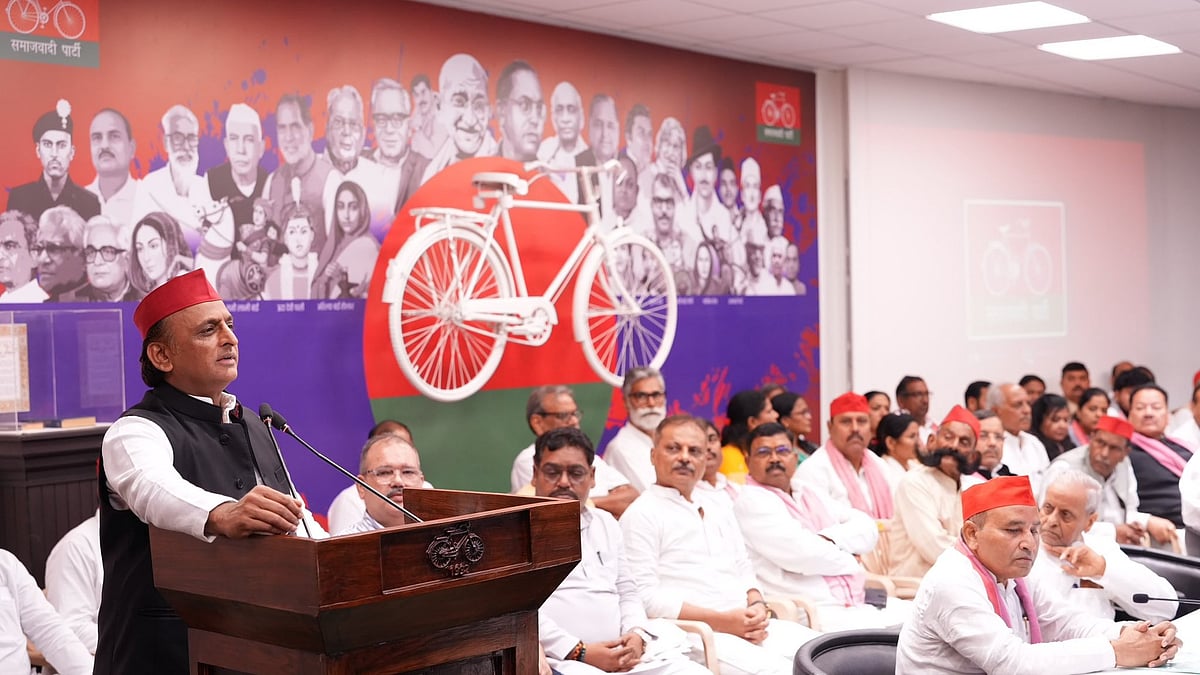
SP president Akhilesh Yadav attacked the BJP's UCC push on social media, describing UCC as “Underground Communal Conspiracy” and arguing that the government should first fulfil its earlier promises. He also linked the debate to unemployment and other economic concerns.
This sets up a familiar political divide. The BJP can present the UCC as a question of uniform civil rights, gender equality and fulfilment of a long-standing commitment. The SP is seeking to place the issue alongside unemployment, inflation and social justice.

