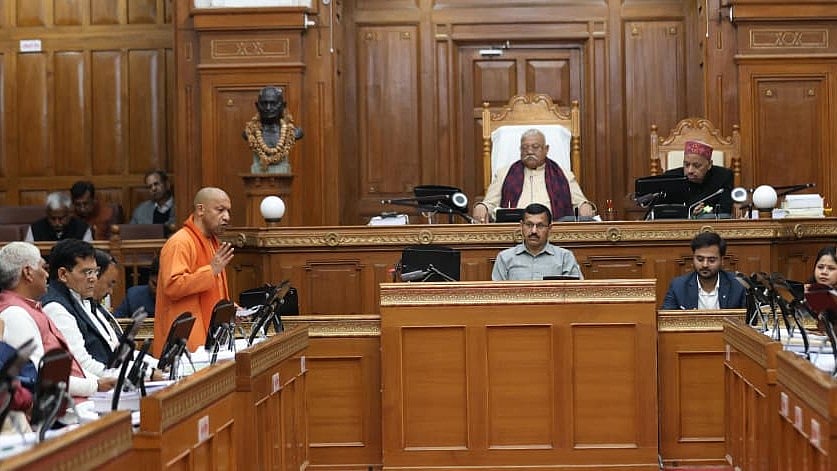
Lucknow: In the Legislative Council, CM Yogi Adityanath, while participating in the discussion on the motion of thanks to the Governor’s Address, presented a picture of Uttar Pradesh’s rapid economic progress. He described fiscal discipline, increased farmers’ income, and technological transformation in agriculture as the government’s key achievements.
He said that without imposing any additional taxes, the state has moved in the right direction by curbing tax evasion and adopting a balanced model of development.
Chief Minister Yogi Adityanath said that in 2017 Uttar Pradesh’s GSDP was only ₹13 lakh crore. It took 70 years from 1947 to 2017 to reach that level. After 2017, within just 8 to 8.5 years, the double-engine government has added an additional ₹23 lakh crore.
CM Yogi said that Uttar Pradesh’s economy has now reached ₹36 lakh crore. At the time of independence, UP’s share in the national economy was 14 percent. It kept declining and fell to 8 percent in 2016-17. Now it has risen steadily to 9.5 percent.
The Chief Minister said that the state has succeeded in tripling per-capita income. No additional tax has been imposed on the public for this. However, tax evasion has been checked and revenue leakages have been effectively curbed.
Today, over the past five years, the state has established itself as a revenue-surplus state. A strong balance of fiscal discipline and development can now be seen in Uttar Pradesh.
CM Yogi said, earlier, when ₹100 was deposited in banks in Uttar Pradesh, only ₹43 was spent for public use. This has been increased to ₹61-62. The government has succeeded in extending its utilization to the youth and traders of Uttar Pradesh. In other words, the CD ratio has been raised from 43 percent to 62 percent. I am proud that Uttar Pradesh is progressing in the right direction in an excellent manner.
CM Yogi added, "Opposition leaders occasionally talk about farmers, but their intent is not clear. Uttar Pradesh is the most populous state in the country and also produces the most food grains. But what was the condition of farmers during their time? Where had they taken them? Two thousand years ago, India was the leading economy of the world, accounting for 44 percent of the global economy. That was India’s golden age. Even 400 years ago, India’s share in the global economy was 24-25 percent".
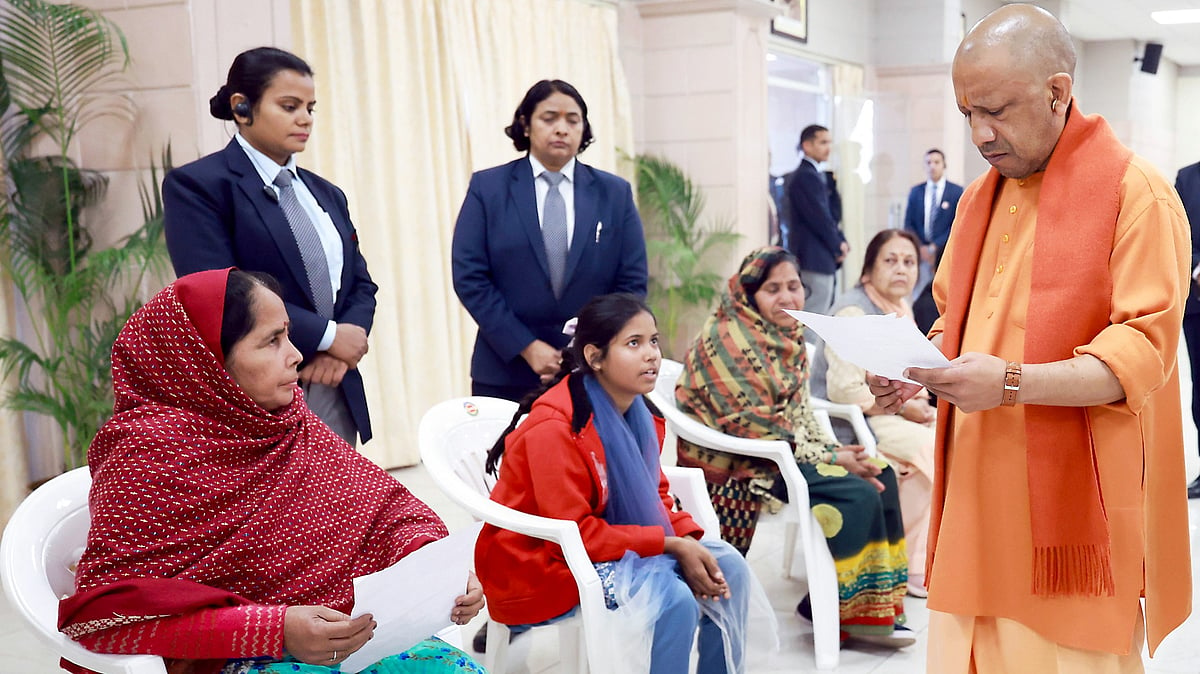
CM Yogi said, during the colonial period, exploitation and plunder took place and traditional enterprises were destroyed. Farmers, who were once producers, were reduced to consumers. Raw material used to go out and finished goods would return and be sold at high prices after heavy taxation. He said that under previous governments too, a similar colonial mindset prevailed in dealing with farmers, MSMEs, and traditional artisans.
Today, in the past 11 years under the leadership of Prime Minister Narendra Modi, farmers and artisans have been strengthened. We believe that this country has been built by the labour of farmers and the creativity of artisans. Every village used to be a basic economic unit, with Gram Swaraj as its foundation. Whether livestock, agriculture, or handicrafts, farmers were producers, artisans were entrepreneurs, and traders were bridges connecting the nation.
Before 2017, there was no clear agricultural policy. Farmers had become merely a vote bank. Costs were high, production low, and middlemen dominant. After 2017, with the double-engine government’s double speed, costs have fallen, production has risen, and farmers have become partners in development. The story of farmers turning into entrepreneurs can now be seen in Uttar Pradesh.
Our resolve is to increase farmers’ income through an income-based and value-addition model of agriculture. Today, agricultural growth in Uttar Pradesh has risen from 8.5 percent to 18.5 percent. Procurement at MSP is transparent and DBT payments are going directly into farmers’ accounts. As a result, while UP has 11 percent of the country’s agricultural land, it produces 21 percent of food grains. Farmers now have access from farm to global markets.
CM Yogi said that under the PM-Kisan Samman Nidhi, ₹95,000 crore has been transferred to farmers’ accounts in Uttar Pradesh. Today farmers are being provided advanced seeds, natural farming practices, drones, and climate-related technical information in simple language. Practical training is also being given through agricultural scientists, start-ups, and progressive farmers.
Value addition of crops is taking place through Drone Didi, FPOs, agri-startups, and food processing. Under the “UP Agriculture Growth and Enterprise Ecosystem” project, special focus is being placed on increasing productivity, better resource utilization, and improving the quality of agro-based industries.
Before 2017, slaughterhouses operated indiscriminately in the state. Widespread smuggling took place and faith was hurt. Under a zero-tolerance policy, strict laws were enacted against cow slaughter and smuggling was stopped. Today 7,727 cow shelters are operating in the state, protecting more than 16 lakh cattles. Natural farming is also being promoted through this. Uttar Pradesh is now a leading state in milk production and fish production has more than doubled.
CM Yogi said that sugarcane farmers are often discussed in the House. Today, 55 percent of the country’s sugarcane is produced by farmers in Uttar Pradesh. Between 2000 and 2017, ₹2,14,000 crore was paid to them, whereas in the past eight-and-a-half years ₹3,06,000 crore has been paid. Which means more than ₹90,000 crore has been paid within half of the duration.
There are 122 sugar mills operating in the state and the price of sugarcane has been increased up to ₹400 per quintal. Ethanol production has risen from 41 crore litres to 182 crore litres. Under the ethanol-blended petrol programme, the sugar-ethanol sector has become an assured-cash-flow sector.
Agricultural infrastructure has also been strengthened considerably. At present, 89 Krishi Vigyan Kendras are functioning and centres of excellence have been developed at some locations. Agricultural mandis and rural road networks have expanded. Expressways and logistics parks have made it easier to take farmers’ produce to national and international markets.
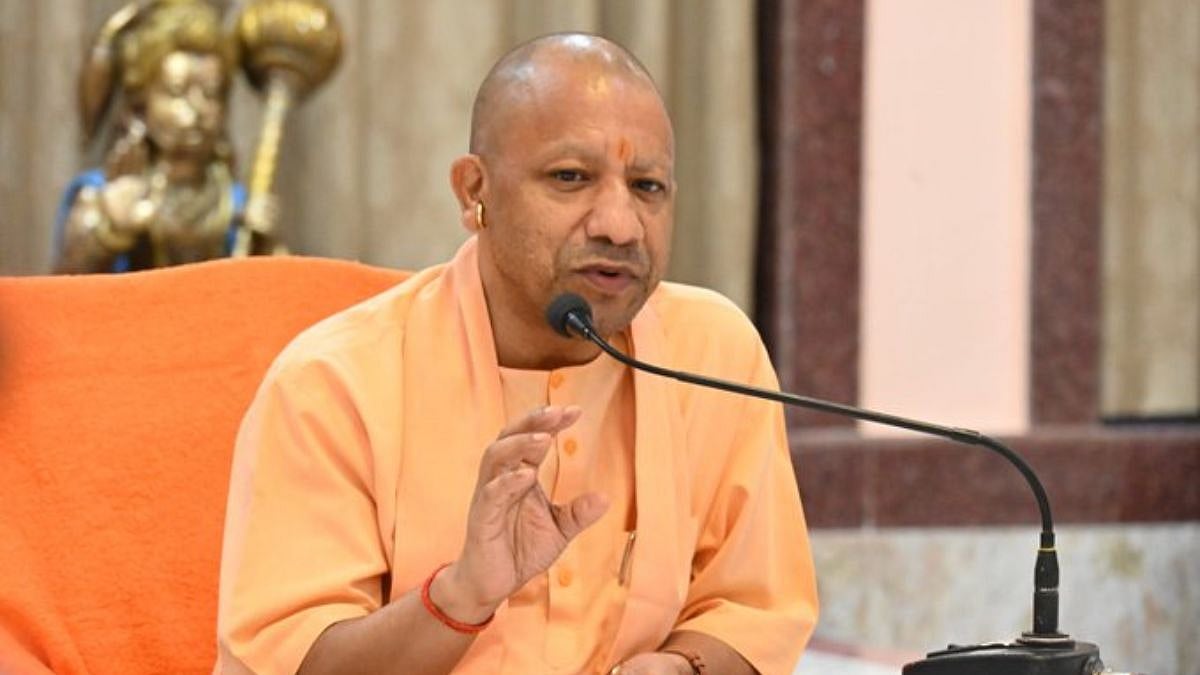
To provide water to every field, 31 major projects have been completed through canals, pipelines, and micro-irrigation. Under the PM-KUSUM scheme, solar pumps and free electricity for tube-wells have been provided to farmers. Work on an Agriculture and Technology University named after Mahatma Buddha in Kushinagar is progressing rapidly. A Seed Park named after farmers’ leader Chaudhary Charan Singh is being established in Lucknow. Through a digital ecosystem and cooperatives, the agri-ecosystem has been strengthened. Through KCC, loan approval time has been reduced from three-four weeks to just five minutes.
The government is working on an AI-based agricultural system. Through the AI agriculture platform proposed in the budget, farmers will receive information in their own language. FPOs have been formed in the state, increasing farmers’ income especially through women’s participation. From Balini Milk Producer in Jhansi to the milk producer in Agra, five major milk producers are operating in the state.
