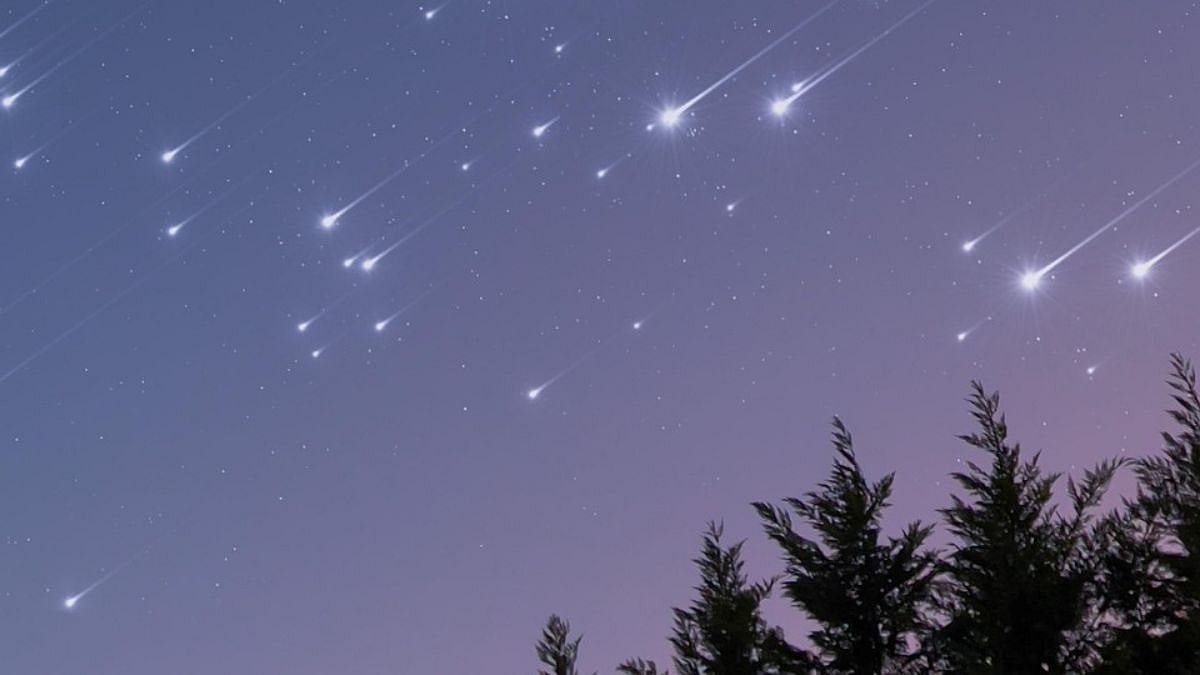
As the nights grow longer in the Northern Hemisphere, the annual Geminids meteor shower 2025 returns to dazzle skywatchers with its reliable bursts of 'shooting stars'. The Geminids are set to peak this weekend of December 13-14, offering one of the year's most intense displays of meteors streaking across the heavens. Under ideal conditions, observers could witness up to 120–150 meteors per hour, making it a highlight for astronomers and casual stargazers alike. Whether you're braving the chill outdoors or tuning in from the warmth of home, here's how to make the most of this cosmic event.
Geminids meteor shower 2025: Peak timings
The Geminids reach their zenith on the night of December 13–14, with the maximum activity centred around 2am IST to 4am IST on December 14. Meteors can appear from late evening onwards, but the best window is after midnight when your location aligns with Earth's orbital path through the debris stream.

Geminids meteor shower 2025: How to watch online in India
For those unable to escape light-polluted cities or preferring the comfort of indoors, online streams provide an accessible portal to the spectacle. The Virtual Telescope Project, led by astrophysicist Gianluca Masi, offers a prime live feed from their dark-sky observatory in Italy, capturing the Geminids in real-time with high-definition telescopes.
You can watch the Geminids meteor shower 2025 live in the embedded video below:
Additional streams, such as those from NASA or the International Meteor Organization, may pop up on YouTube searches for 'Geminids 2025 live', but the Virtual Telescope Project stands out for its professional setup and engaging narration.
Geminids meteor shower 2025: Tips to watch at home
To enhance your online viewing, shut off the room lights, grab a warm drink, and follow along with a star chart app to spot the radiant in Gemini. While nothing beats the naked-eye thrill, these streams ensure the Geminids' magic reaches everyone this weekend. Clear skies!
Geminids meteor shower 2025: Significance
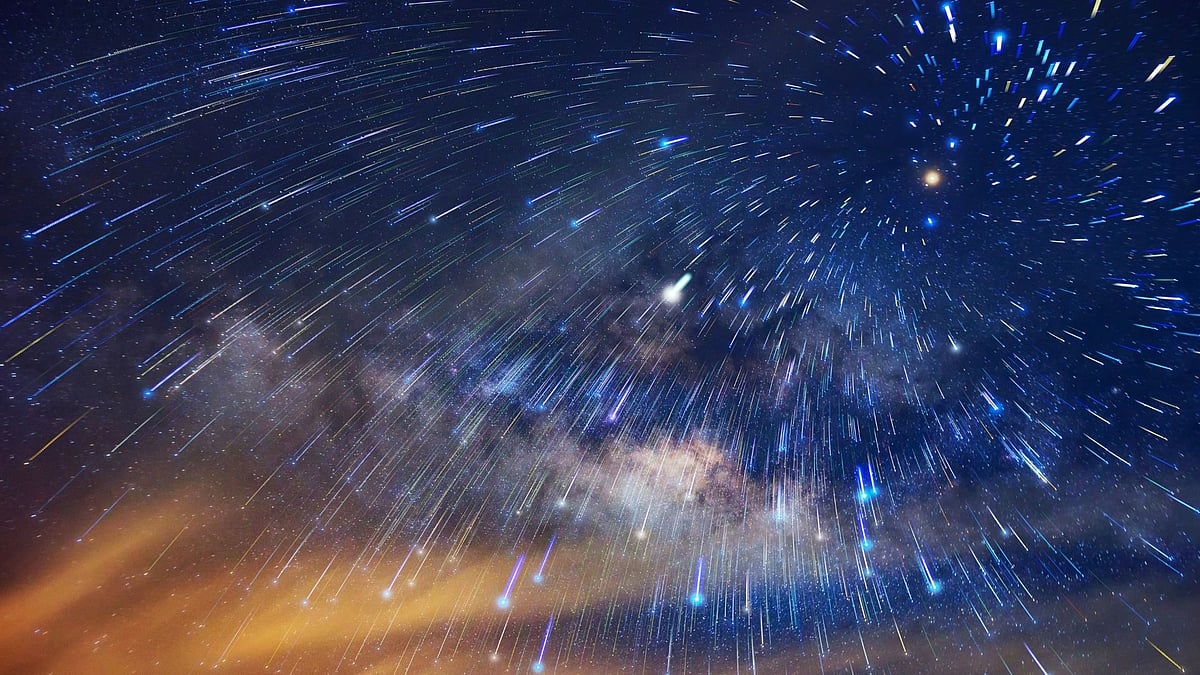
What sets the Geminids apart is their exceptional reliability and intensity, often rivalled only by the Perseids in summer. Unlike most meteor showers spawned by comet dust, the Geminids originate from the asteroid 3200 Phaethon, a rocky body that sheds particles as it swings close to the Sun, creating a dense stream of debris that Earth ploughs through at 35 km/s. In 2025, the event is particularly noteworthy due to minimal moonlight interference - a mere 25 percent waning crescent Moon rises around 3:00 am local time near peak, preserving dark skies for fainter meteors. With a zenithal hourly rate (ZHR) potentially hitting 150 under pristine conditions, this year's display underscores the Geminids' status as a winter favourite, drawing enthusiasts worldwide to ponder our planet's dynamic journey through the solar system.

