
On February 1, Finance Minister Nirmala Sitharaman will present the Union Budget 2026-2027 in Parliament. Alongside other sectors, the technology and consumer electronics sectors are also buzzing with anticipation. This budget arrives amid robust economic growth, with India on track to becoming the world's fourth-largest economy, driven by manufacturing and digital innovation. Industry leaders from companies like Panasonic, Lava, Mobisoft, Ambrane India, Kellton Technologies, and Ai+ have highlighted key expectations, including stronger support for domestic manufacturing, rationalisation of duties on components, simplified compliance for startups, incentives for AI and R&D, and measures to reduce import reliance - particularly from China. These calls aim to enhance India's global competitiveness, stimulate consumer demand, and build resilient supply chains.
The budget's implications extend beyond boardrooms. Policymakers, entrepreneurs, investors, and the general public - especially those in the burgeoning middle class relying on affordable tech gadgets - will closely watch for policies that could lower device costs, ease business operations, and fuel job creation in a sector that employs millions. Broader expectations from the tech industry also include investments in digital infrastructure, skill development for AI talent, and green tech incentives to align with sustainability goals, as India pushes toward its $5 trillion economy target by 2027.
Strengthening manufacturing-led growth and incentives
A recurring theme is the need for continued government emphasis on manufacturing through schemes like the Production Linked Incentive (PLI) and Electronics Component Manufacturing Scheme (ECMS). Executives stress that these initiatives, coupled with infrastructure and R&D investments, are vital for sustaining India's economic momentum.
"The Union Budget 2026–27 comes at a time when India’s economic momentum remains strong, with the country poised to become the world’s fourth-largest economy. Continued emphasis on manufacturing-led growth through initiatives such as PLI and the Electronics Component Manufacturing Scheme (ECMS), alongside investments in infrastructure, logistics efficiency, and support for R&D and design-led manufacturing, will be critical to sustaining this growth and strengthening India’s manufacturing ecosystem," said Tadashi Chiba, Managing Director & CEO, Panasonic Life Solutions India.
Ashok Rajpal, Managing Director of Ambrane India, echoed this sentiment, "In the electronics segment, we expect the government to continue its strong push toward building in-house manufacturing capabilities. Policy support is likely to remain focused on encouraging domestic production facilities and strengthening auxiliary ecosystems that support the electronics value chain."
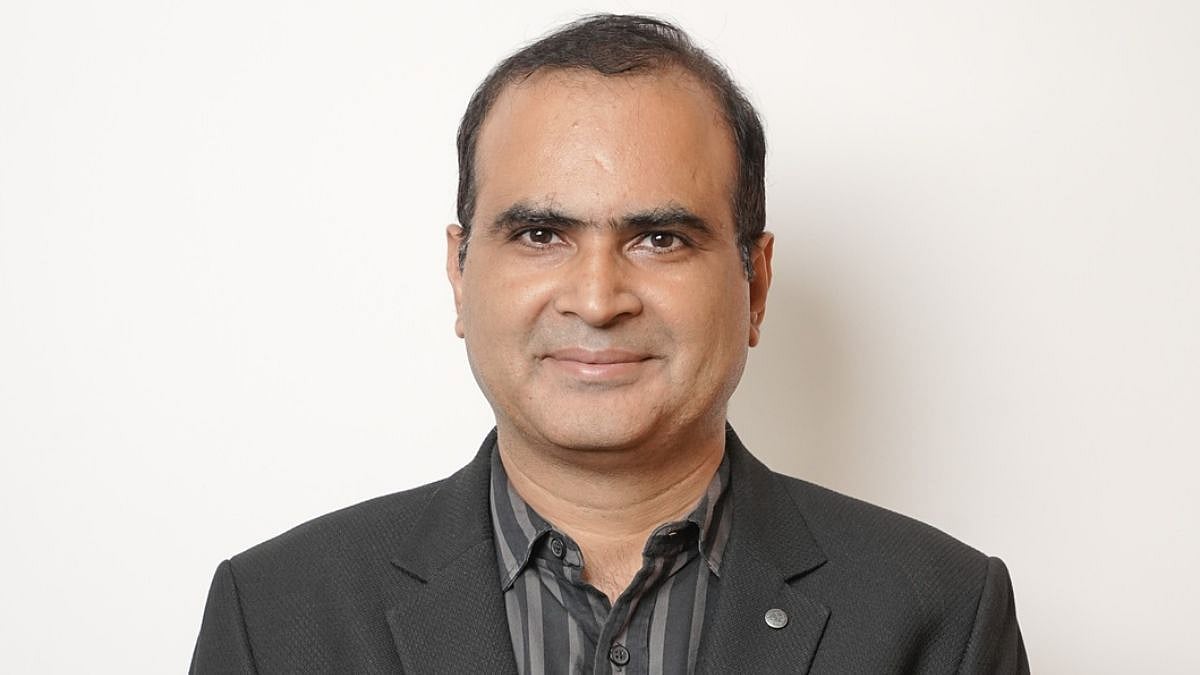
Ashok Rajpal, Managing Director of Ambrane India |
Rationalising duties and addressing cost structures
To improve affordability and competitiveness, leaders call for dutrationalisationon on key components like compressors, semiconductors, and memory chips, while tackling inverted duty structures and global cost inflation.
Chiba added, "The consumer durables sector looks forward to policy measures that further strengthen domestic manufacturing and stimulate consumer demand. Rationalisation of customs and GST duties on key components, including compressors, and addressing inverted duty structures will improve the cost competitiveness of locally manufactured appliances and electronics."
Rajesh Sethi, Group Chief Financial Officer of Lava, highlighted semiconductor challenges, "With global memory and semiconductor cost inflation impacting device affordability, the next phase of component-linked incentives and ECMS is critical to correcting cost structures, increasing domestic value addition and building resilient supply chains."

Rajesh Sethi, Group Chief Financial Officer of Lava |
Simplifying compliance for startups and MSMEs
Bureaucratic hurdles remain a pain point, with calls for a unified digital compliance platform to free up entrepreneurial energy for innovation rather than paperwork.
Nitin Lahoti, Founder & Director of Mobisoft Infotechemphasised, "India’s entrepreneurial momentum and progress on ease of doing business is often constrained not by a lack of ambition or capital, but by the complexity of its compliance ecosystem... As we look toward Budget 2026, a unified, digital-first compliance ecosystem could be one of the most transformative reforms for startups and MSMEs. A single national compliance portal with one login, one calendar, and integrated alerts across MCA, FEMA, GST, RBI, ESOP, labour, and tax compliances would dramatically improve ease of doing business."
Focusing on AI, innovation, and disciplined tech spending
With AI poised to drive productivity, executives anticipate budget measures thaprioritiseze outcome-led investments in technology, while ensuring security and scalability.
Niranjan Chintam, Executive Chairman of Kellton Technologies, noted, "2026 will be a year of disciplined technology spending, outcome-led, secure-by-design, and governed for scale. AI and automation will continue to attract investment, but only where data is ready, controls are embedded, and ROI is provable."
Madhav Sheth, CEO of Ai+ Smartphone and Founder of NxtQuantum Shift Technologies, urged deeper incentives, "India's consumer tech landscape is on the brink of transformation... We need to incentivise deep value creation, pushing for substantial support in manufacturing essential components right here in India such as camera modules, batteries, PCBs, enclosures, chargers and wearables. Moreover, backing research, development, and the creation of intellectual property in system design and software-driven innovation is crucial."
Anand Mahurkar, Founder and CEO of Findability Sciences, spoke about the need for regulation of AI. He said, "India’s AI future will not be decided by intent alone, but by execution at scale. We have world-class talent and applied engineering strength, yet innovation is slowed by uncertain data rules, limited compute access, and infrastructure bottlenecks. The single most transformative move is to make compute, power, and trusted datasets predictable, affordable, and widely available. Couple that with outcome-based procurement and targeted compute credits linked to real deployments. When policy enables speed, not friction, India can shift from experimentation to enterprise-grade AI leadership across industry and government."
Reducing import dependence and building resilient supply chains
A strong push folocalisationon aims to integrate India into global value chains whilminimisingng reliance on imports, especially amid geopolitical tensions.
Chiba furthestated, "Enhanced support for component manufacturing through existing incentive frameworks and targeted tariff reforms can deepen localisation, improve ease of doing business, and better integrate India into global value chains."
Sethi reinforced, "Sustained and forward-looking policy support for electronic components and semiconductors is critical to reducing India’s import dependence, deepening localisation and strengthening the domestic electronics manufacturing ecosystem."
Rajpal added, "Measures aimed at reducing dependence on imports, particularly from select countries, are likely to take precedence. This strategy not only supports local industries but also serves as a safeguard amid ongoing global trade tensions."
Sheth concluded, "Building a robust supply chain isn't merely a choice anymore; it's a necessity for our strategic future. This is the quickest path to lessen our reliance on China as the go-to hub for manufacturing and sourcing."
Deeper localisation for a resilient electronics ecosystem in India
"India’s electronics manufacturing journey has been a sequenced one in last 10 years. A calibrated policy journey from finished-product duties to PLIs has meaningfully strengthened India’s electronics manufacturing ecosystem. As India moves into the next phase of growth with component-linked incentives and ECMS, Lava, with its in-house design and manufacturing capabilities, is well positioned to leverage this opportunity. We, at Lava, believe a strong focus on deeper localisation is both timely and critical for building a resilient electronics ecosystem in India. Eventually, strengthening the domestic ecosystem, reducing import dependence, building resilient supply chains, and protecting consumer affordability will enable Indian smartphone industry’s next phase of growth through exports, and enhancing global competitiveness,” Sanjeev Agarwal, Executive Director & Chief Manufacturing Officer, Lava International Limited stressed ahead of the budget this Sunday.

