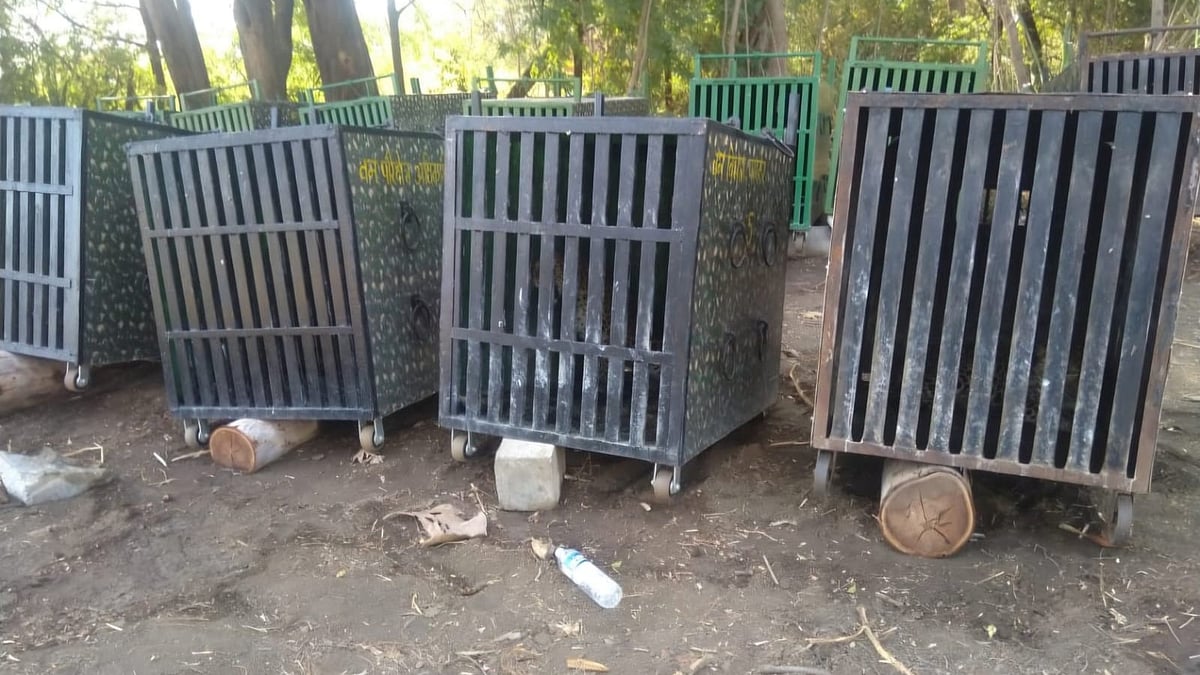
Serious concerns have been raised over the condition of 19 leopards that have been confined in cages for nearly two months in the Vadgaon Savtal forest area of Parner taluka in Ahilyanagar district of Maharashtra. Animal welfare activists and environmental groups have demanded their immediate rehabilitation.
Watch Video:
According to information shared by the Jivdaya Foundation, the Forest Department launched a leopard capture drive in response to rising incidents of leopard-human conflict in parts of Maharashtra. While several leopards were trapped as part of the safety campaign, activists allege that the animals continue to remain in the same cages in which they were captured, without relocation or rehabilitation.
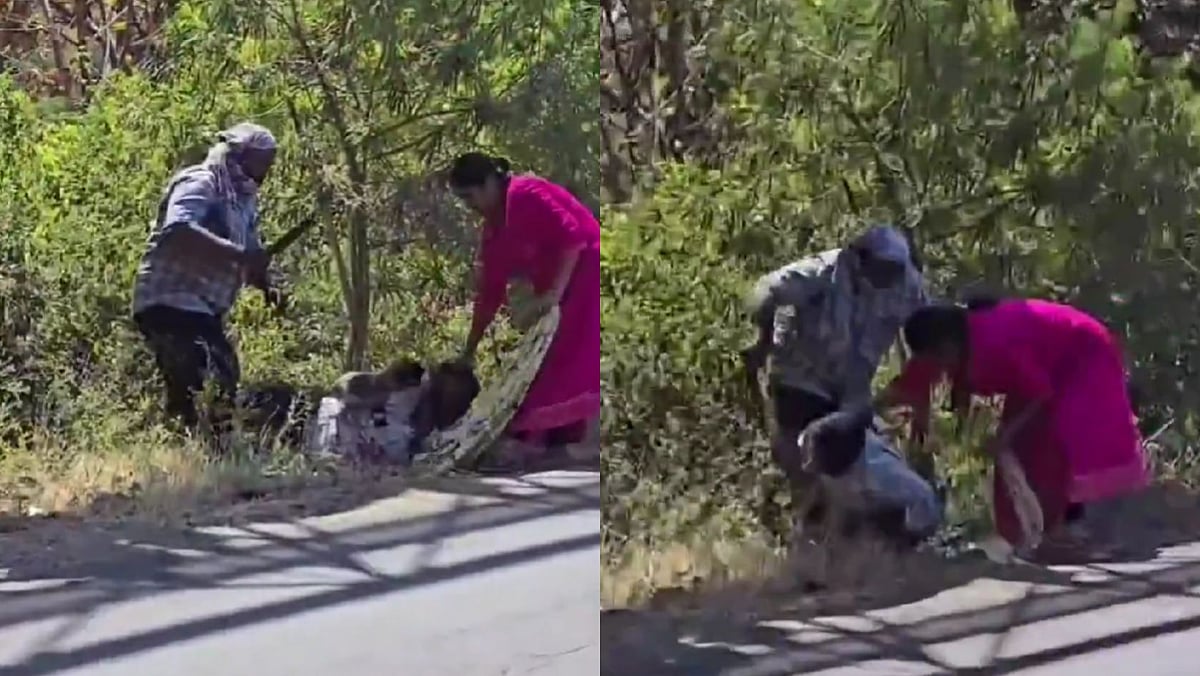
The confined leopards are reportedly being kept in separate cages in cramped conditions, with little space to move. With summer temperatures rising, concerns have intensified over the impact of heat on the animals. Activists claim the leopards are showing signs of distress, frequently hitting against the cage bars and sustaining injuries. One ailing leopard was recently shifted to a wildlife rescue centre in Nashik for treatment.
There are also apprehensions that some of the captured leopards may be pregnant, raising further concerns about their health and the possibility of cubs being born in captivity under stressful conditions.
Wildlife enthusiasts, environmentalists and local citizens have termed the prolonged confinement in cages as inhumane. They argue that while trapping may have been carried out as a precautionary measure to prevent conflict, keeping wild animals confined for extended periods without rehabilitation is unacceptable.
In a representation addressed to Union Environment Minister Bhupendra Yadav, Maharashtra Forest Minister Ganesh Naik, Additional Chief Secretary (Forest) Milind Mhaiskar and Chief Conservator of Forests M. Srinivas Rao, the foundation has urged authorities to take immediate steps to rehabilitate the leopards.

The memorandum demands that necessary procedures be expedited and that the animals be relocated to suitable habitats such as reserved forest areas, wildlife sanctuaries or other safe zones where they can live in natural surroundings.
Meanwhile, The Free Press Journal tried to contact Forest Department officials in Ahilyanagar, but did not receive a response.

