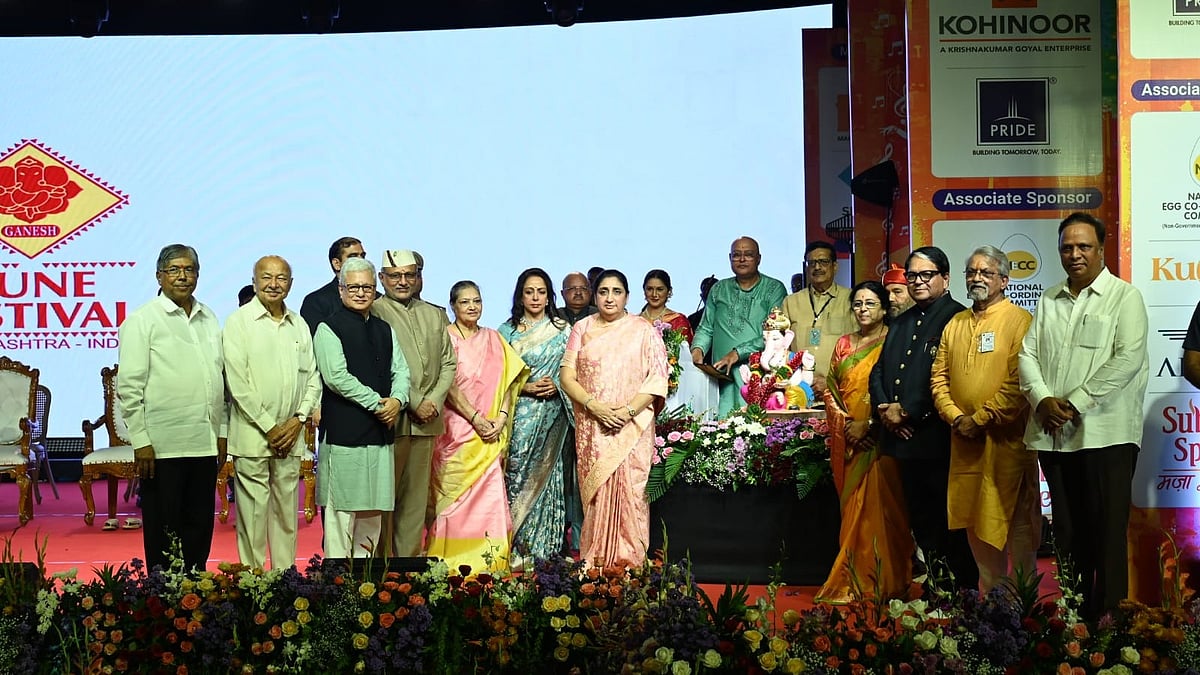
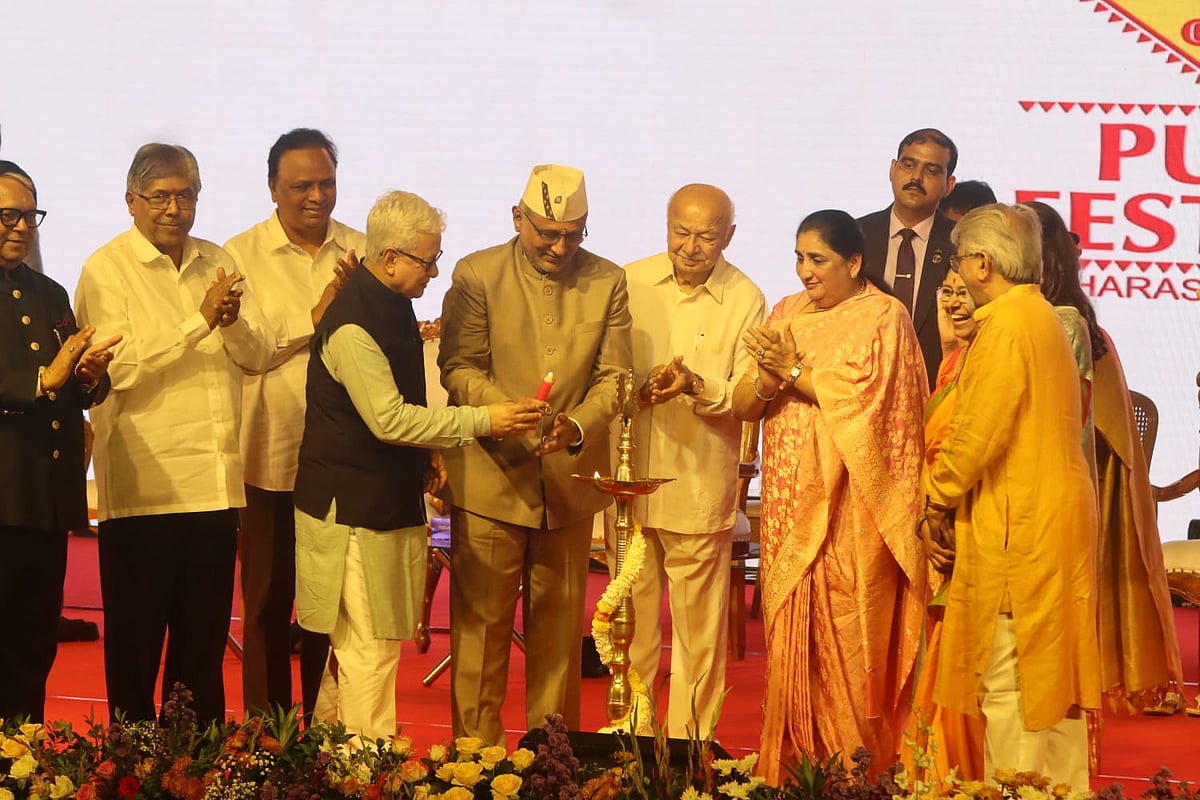
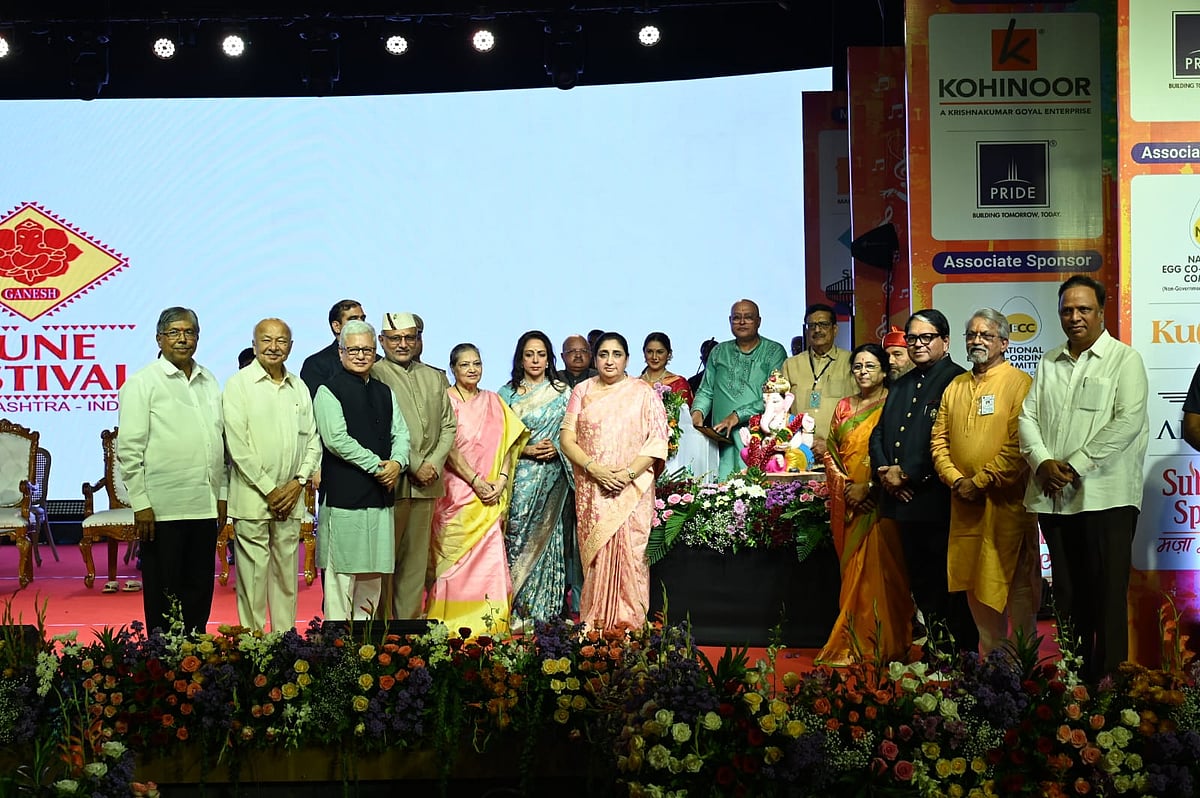
Pune: The development of a city cannot be measured merely by its skyline and infrastructure, but must also be reflected in the preservation of its art, culture and traditions, Vice-President of India CP Radhakrishnan said while inaugurating the 38th Pune Festival at Shri Ganesh Kala-Krida Rangmanch in Swargate on Friday.
The inauguration brought together senior political leaders, artists and cultural personalities, including Maharashtra Governor Jishnu Dev Varma, Deputy Chief Minister Sunetra Pawar, Higher and Technical Education Minister Chandrakant Patil, Cultural Affairs Minister Ashish Shelar, former Union Home Minister Sushilkumar Shinde, Pune Festival patron and actor-dancer Hema Malini, MP Medha Kulkarni, Chairperson Meera Suresh Kalmadi, President Krishnakumar Goyal and Dr Satish Desai. The Vice-President’s participation was also part of his official Maharashtra visit.
Calling for development rooted in India’s cultural identity, Radhakrishnan said, “The country must preserve its traditions instead of simply imitating foreign cultures and lifestyles.”
He invoked Lord Ganesha and paid tribute to Chhatrapati Shivaji Maharaj and Lokmanya Bal Gangadhar Tilak, recalling Shivaji Maharaj’s efforts to preserve forts and Tilak’s transformation of public Ganeshotsav into a mass movement for social unity, national awakening and freedom. He also referred to Dr BR Ambedkar, the Constitution and the historic Poona Pact.
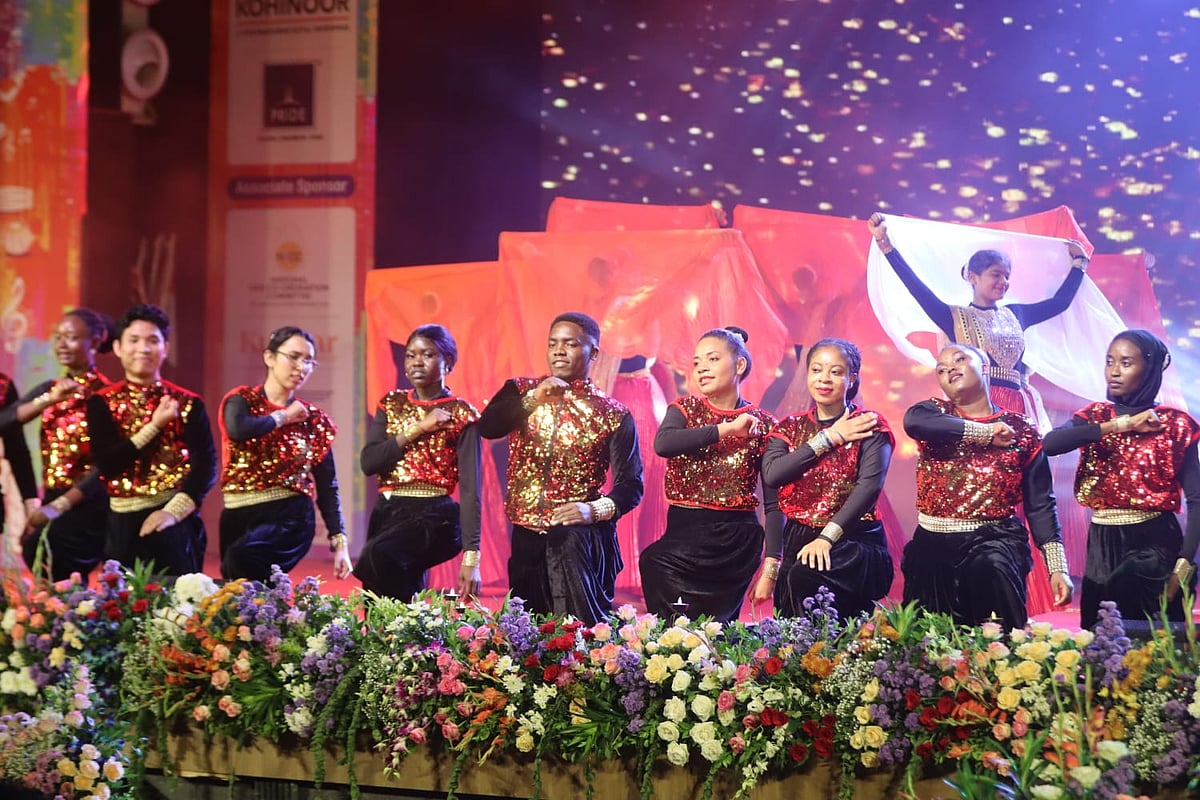
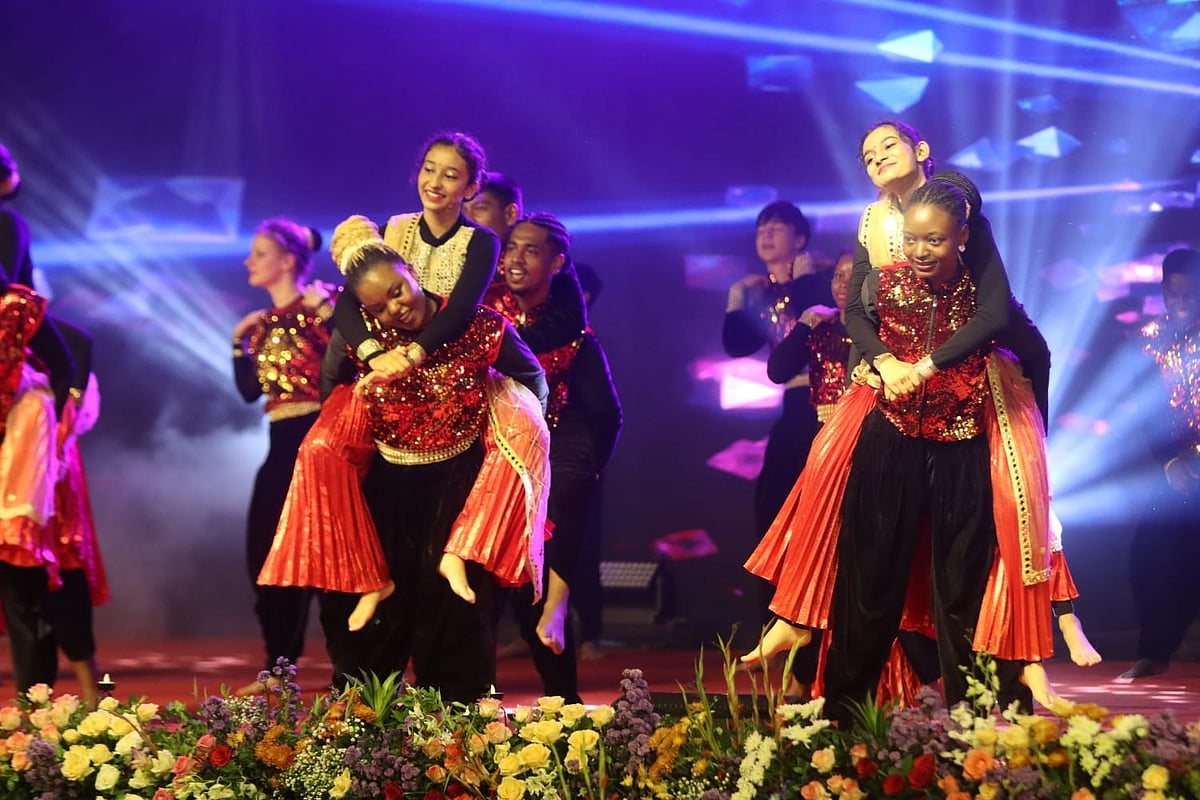
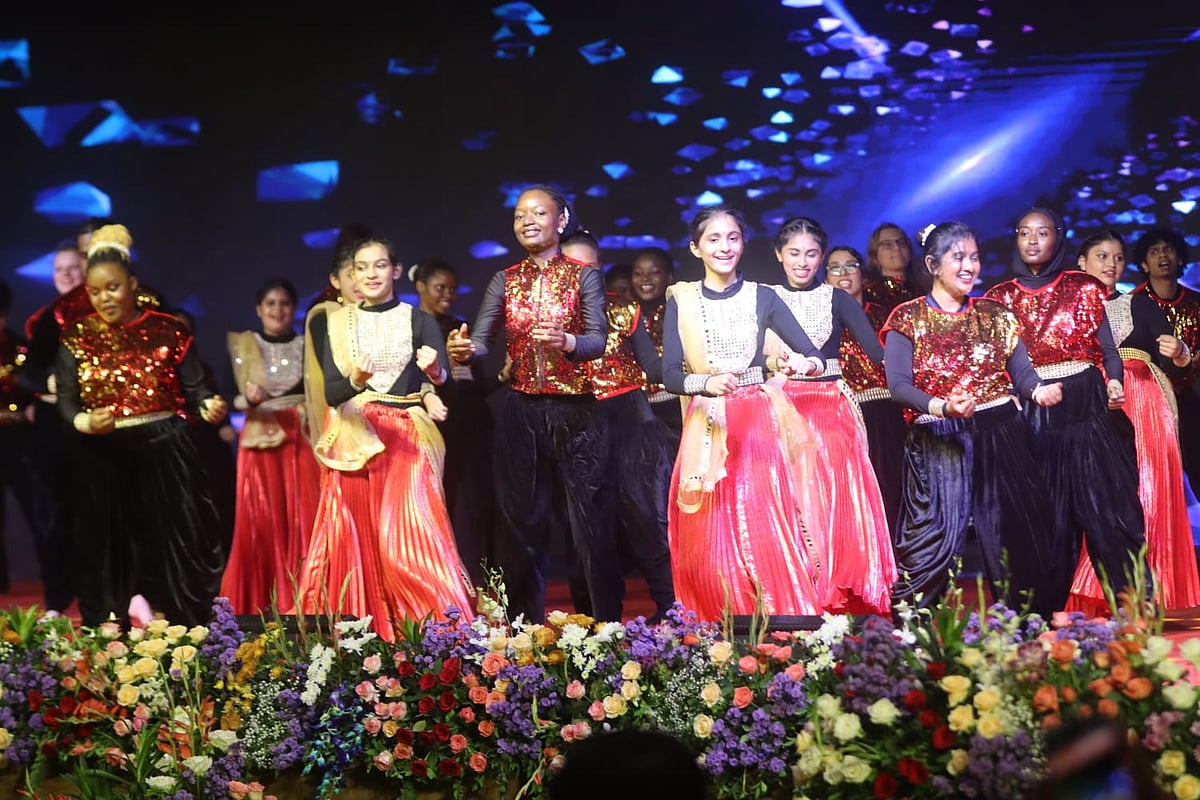
Referring to Pune’s identity, Radhakrishnan said the city had emerged as a major centre of education, military institutions, IT-BT, automobiles, industry and culture. He said a presentation by students from different countries at Symbiosis International University represented India’s unity in diversity. He also welcomed Maharashtra’s decision to grant Ganeshotsav the status of a state festival.
The Vice-President further highlighted tourism as an economic driver and stressed the need for sustainable infrastructure along Maharashtra’s cultural circuits. He said, “The Pune Festival could expand its programmes for children and develop further as a global cultural event.”
“If there is no Chhatrapati Shivaji Maharaj, there is no Hindu dharma in this land. We should not forget the great sacrifice because of which the great Hindu dharma was saved,” the Vice-President said, adding that the great Maratha ruler captured Vellore Fort and Thanjavur Palace during his southern campaign in 1676-77 and that, because of him, Hindu dharma was preserved in present-day Tamil Nadu.
Governor Jishnu Dev Varma said he hoped to speak in Marathi at next year’s festival. “Next time when I come to the Pune Festival, maybe I will speak in Marathi. I am trying my level best to teach myself,” he said.
He described Pune as the karmabhoomi of Mahatma Jyotirao Phule and Krantijyoti Savitribai Phule and recalled the city’s association with the Poona Pact. He said, “Pune’s IT, automobile, education and cultural sectors had given it a distinct position, while the Pune Festival had brought diverse communities together through art.”
Deputy Chief Minister Sunetra Pawar described the festival as the cultural legacy of its founder, late Suresh Kalmadi, saying the sapling planted 38 years ago had now grown into a large tree. “The Pune Festival is not merely a cultural programme but a major celebration of art for the people of Pune,” she said.
Sunetra Pawar also recalled attending the festival with her late husband, Ajit Pawar. She said, “When Dada was there, we used to come together, but he’s not with us. His absence is being felt. And continuing work for Pune’s development and the welfare of its citizens would be a tribute to him.”
She also assured the Pune Festival organisers that she would pursue their requirements for financial assistance with the state government and help them in every possible way.
Cultural Affairs Minister Ashish Shelar highlighted Maharashtra’s saint tradition and multicultural heritage, stressing the need to preserve history and traditions while connecting them with modernity. Higher and Technical Education Minister Chandrakant Patil, meanwhile, contrasted two approaches to Ganeshotsav—celebrations centred on loud DJs, Dolby systems and lasers, and the cultural tradition represented by the Pune Festival. He said Kalmadi had created the festival to carry forward the social and cultural spirit associated with Lokmanya Tilak’s Ganeshotsav.
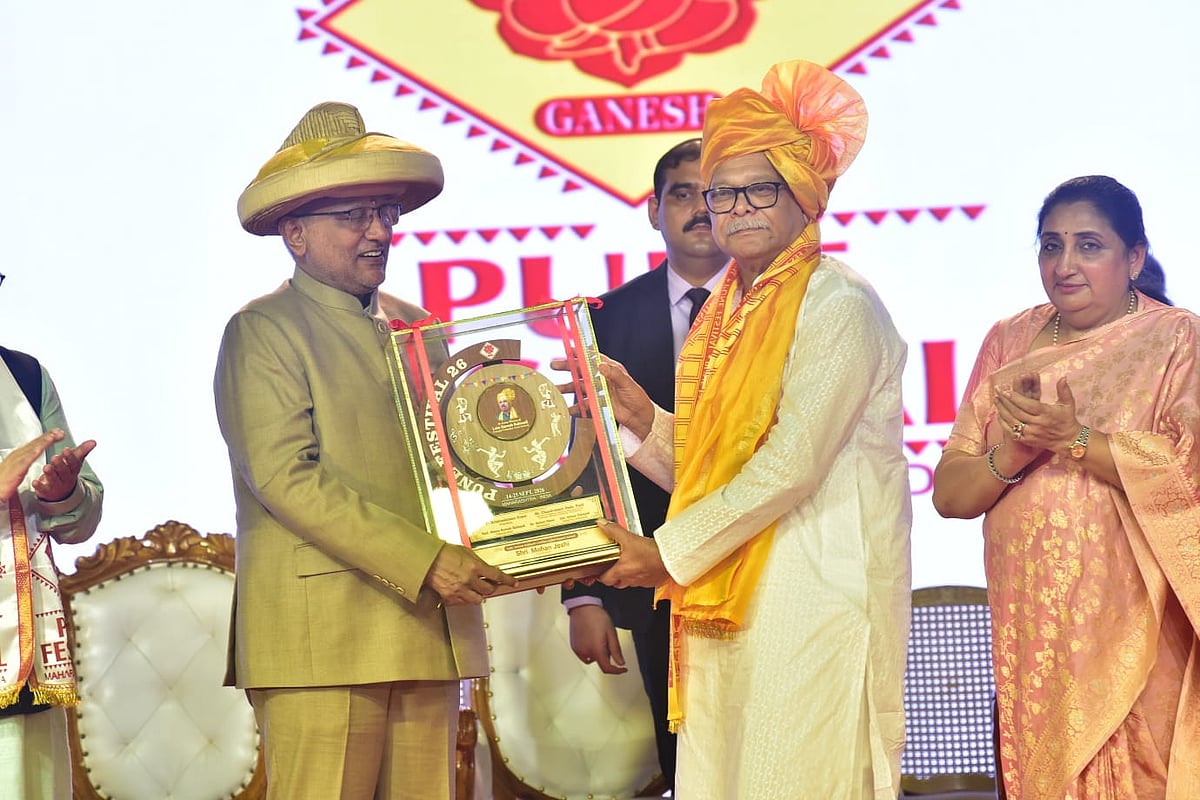
Mohan Joshi receives first Kalmadi Lifetime Achievement Award
A major highlight of the inaugural ceremony was the award presentation. The festival, this year dedicated to the memory of its founder-president and former Pune MP Suresh Kalmadi, instituted the Founder Suresh Kalmadi Pune Festival Lifetime Achievement Award for the first time. Veteran actor Mohan Joshi was the inaugural recipient. A nine-minute film documenting Kalmadi’s contribution to the festival was also screened.
The festival was founded in 1989 and has grown into a major cultural event drawing participation from different regions and countries.
The Pune Festival Awards were presented to veteran filmmaker and director Kiran Shantaram, playwright-director Atul Pethe, former Indian Women’s Hockey Association president Arnavaz Damania, and Flying Officer Nidhi Sudhir Agarwal. Agarwal’s family accepted the award on her behalf.
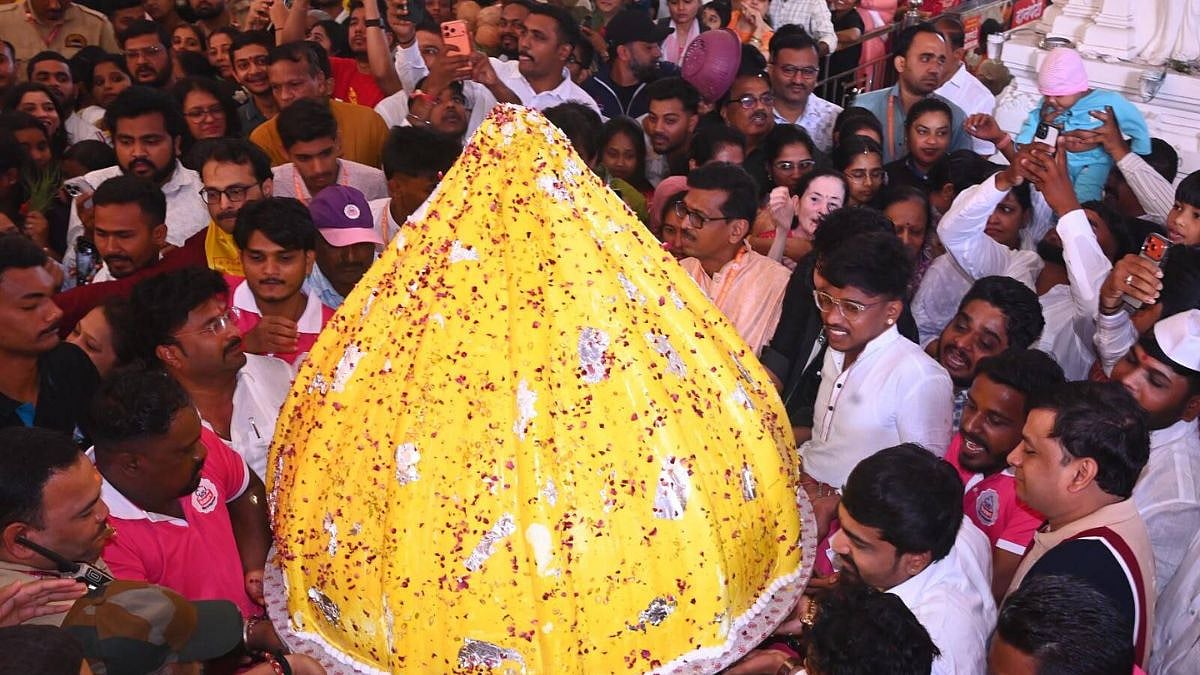
Two Ganesh mandals completing 100 years of public Ganeshotsav—Ranmard Shivaji Mandal, Nehru Chowk, Shukrawar Peth, and Shri Hanuman Mandal Pratishthan, Manik Chowk, Kasba Peth—were also felicitated with the Jai Ganesh Award. These awards and the inaugural cultural programme had been announced as key components of the ceremony.
Mathura MP Hema Malini, who said she had been associated with the Pune Festival for nearly 30 years, called for greater participation by eminent personalities in cultural programmes to encourage artists. “Recognition and appreciation of artists and their art boosts their confidence,” she said.
Recalling her association with Kalmadi, she said he had given her opportunities to perform during Ganeshotsav and had consistently encouraged her. “I received immense love from the people of Pune,” she said, adding that the participation of renowned artists had helped the festival gain recognition beyond India.
Pune Festival President Krishnakumar Goyal said, “38 years represents more than a number,” describing the festival as a continuing tradition of enriching Pune’s cultural identity. “No festival automatically becomes a people’s festival. Behind it is a large team of workers and many hands that work consistently,” he said.
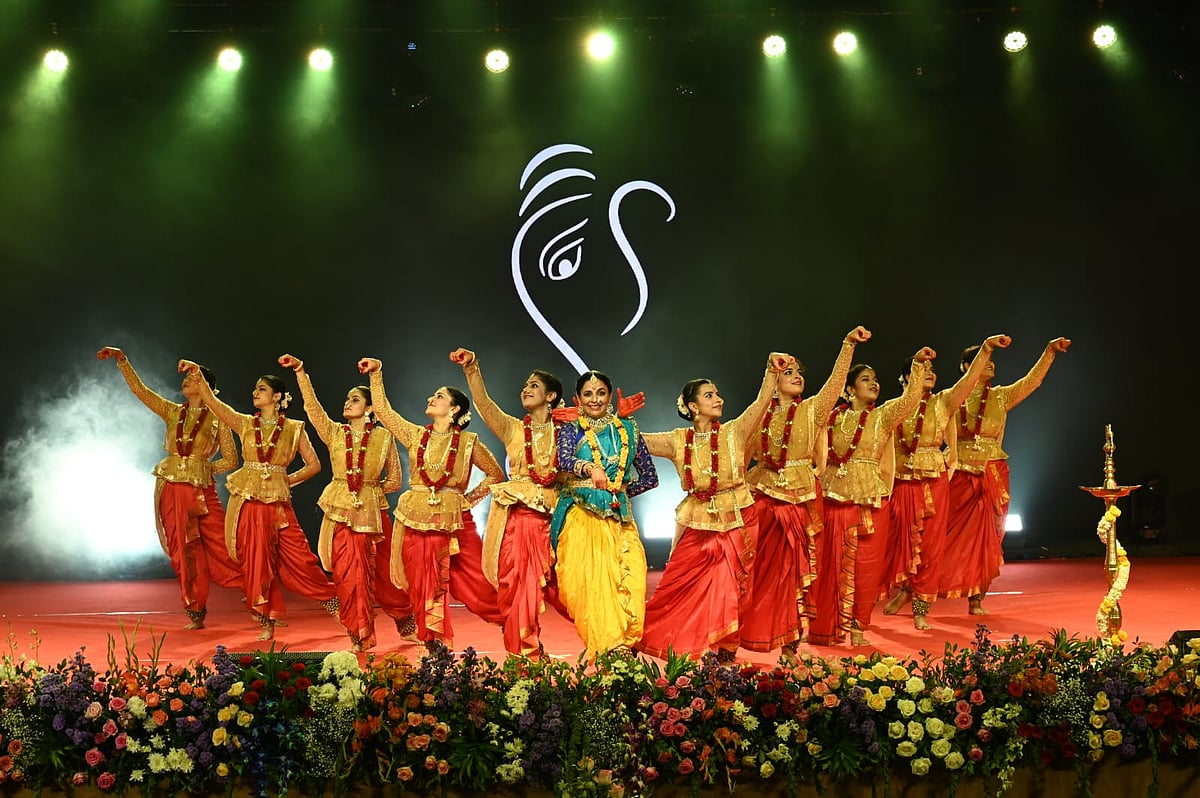
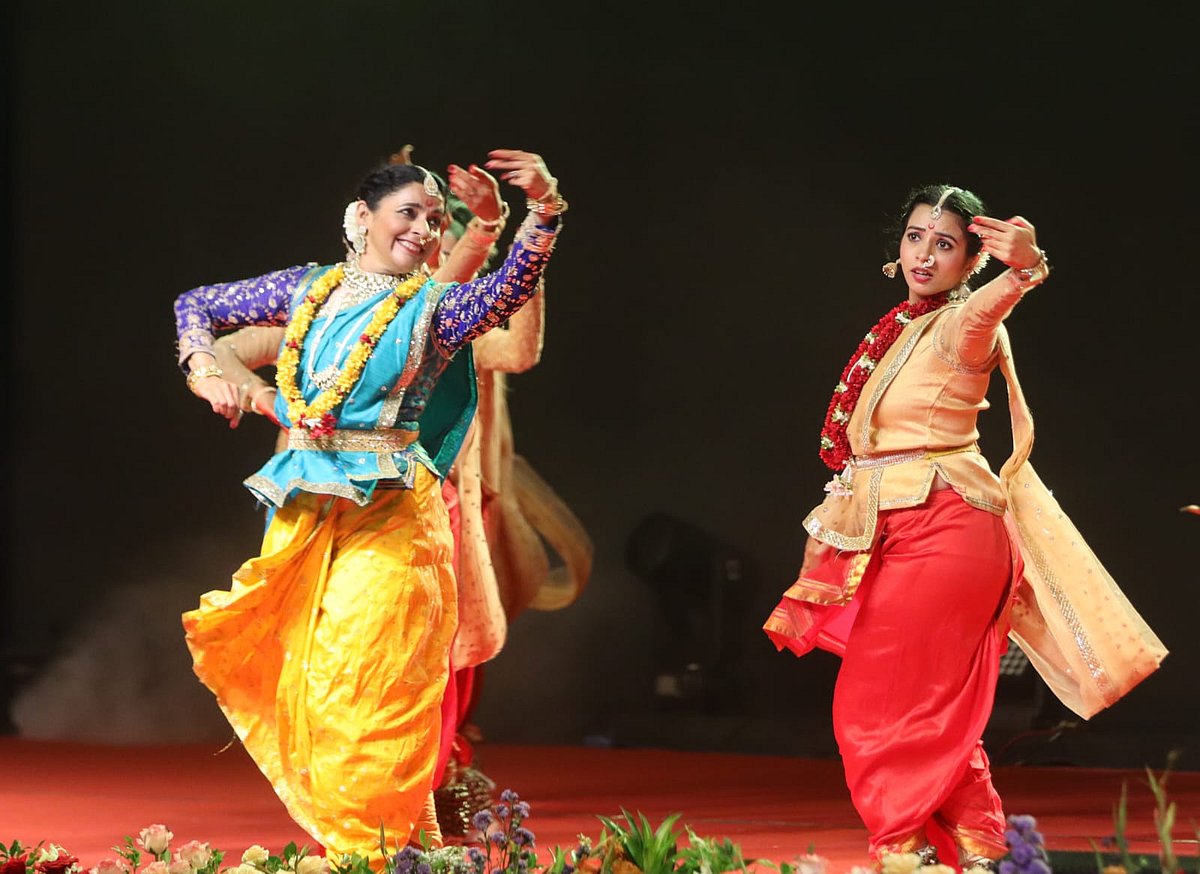
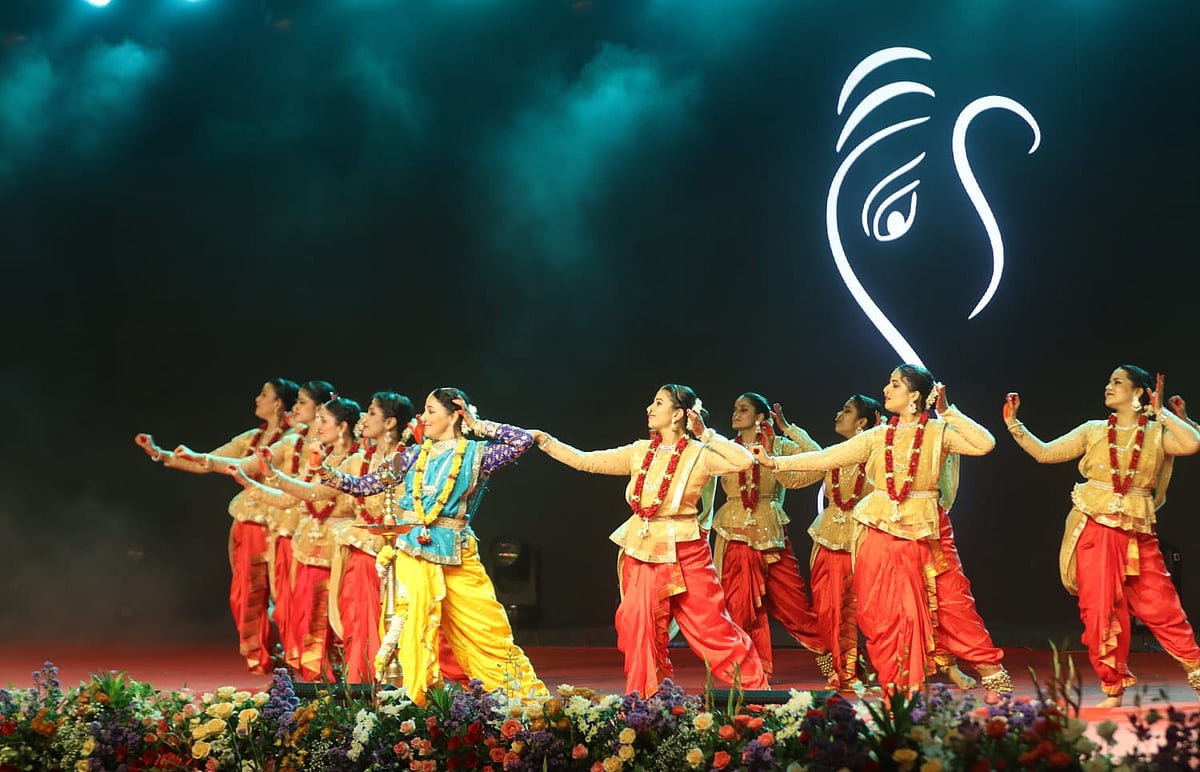
The inaugural cultural programme began with shehnai, followed by the Maharashtra Sanman Geet, Vande Mataram and Ganesh Vandana. Students from 20 countries, along with Indian students from Symbiosis International University, presented a performance based on ‘Vasudhaiva Kutumbakam’. Other presentations included Chak De India and Jhanak Jhanak Payal Baaje. The festival had also announced tributes to V. Shantaram and the 150th anniversary of Vande Mataram as part of its inaugural cultural programming.
This year, a Ganesh idol made by inmates of Yerawada Central Jail was installed at the festival, while an eye-donation awareness initiative is being conducted under the ‘Andha Mukt Pune’ campaign. More than 50 cultural programmes are scheduled during the festival, with the organisers stating that the programmes are free for audiences.

