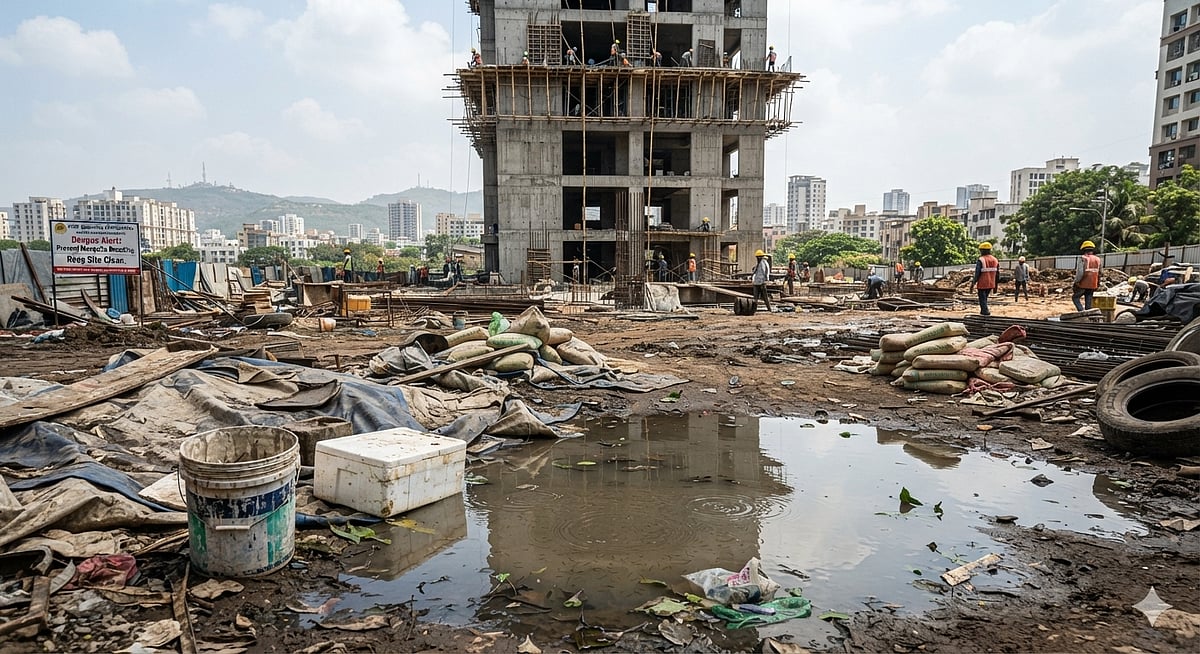
Pune: Pune recorded 1,826 dengue cases between January 1 and October 10, 2026, with 662 cases reported in September alone, highlighting the seasonal rise in infections during the monsoon. Pune Municipal Corporation (PMC) data shows that the city recorded 5,340 cases in 2024 and 2,764 in 2025, while construction sites, stagnant water and mosquito breeding remain major concerns for civic health officials.
Dr Rajesh Madhukar Dighe, Assistant Medical Officer of Health at the PMC, told The Free Press Journal that construction activity and water accumulation create favourable conditions for mosquito breeding, putting construction workers and residents of neighbouring buildings at risk.
“Construction sites require considerable quantities of water, particularly for curing concrete slabs. Sometimes, water remains accumulated on top slabs, in building corners or beneath wooden materials. These places can become breeding grounds for mosquitoes, which may subsequently spread to nearby residential buildings and houses,” Dighe said.
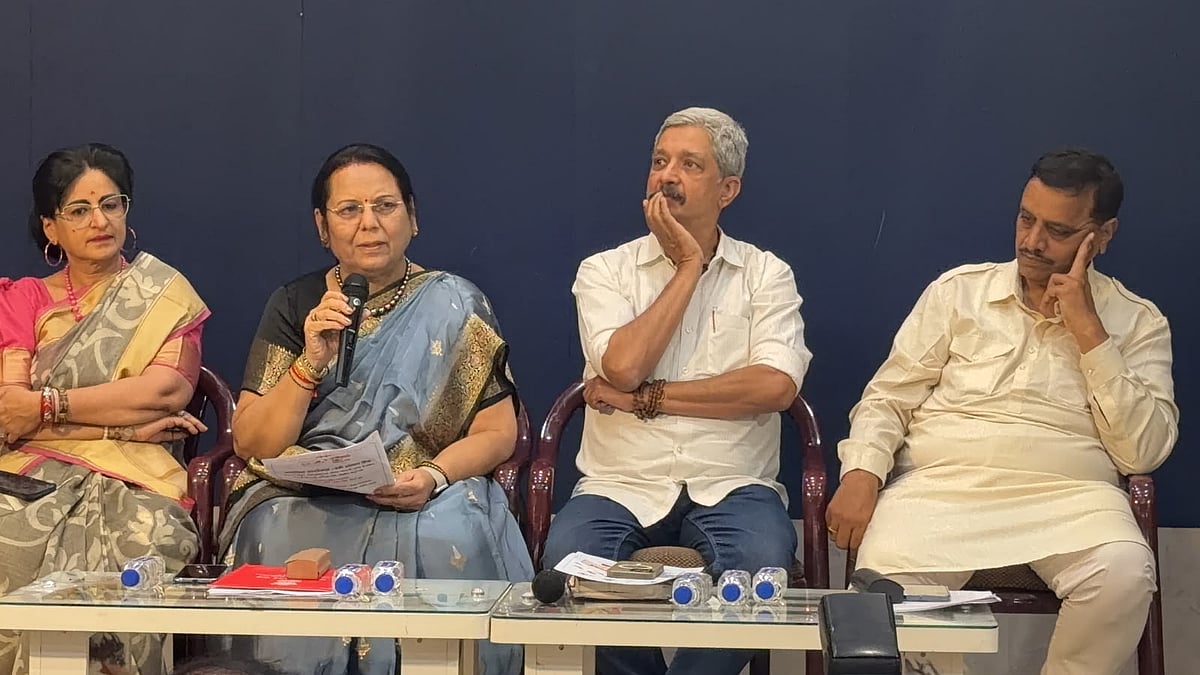
He explained that the risk extends beyond construction workers to people living in surrounding residential areas, including those on higher floors.
“Newly emerged mosquitoes generally remain close to their breeding locations, while mature mosquitoes can travel farther. They can reach the fourth or fifth floor of residential buildings. People living on higher floors should not assume that they are protected from mosquitoes,” he said.
Cases fell in 2025, monsoon remains a concern
PMC figures show that reported dengue cases fell from 5,340 in 2024 to 2,764 in 2025, a decline of approximately 48.2%.
A comparison of the available monthly figures shows that dengue cases tend to peak during the monsoon and post-monsoon period. In 2024, the September count stood at 1,849, compared with 604 in September 2025 and 662 in September 2026. The September 2026 figure was approximately 9.6% higher than that of September 2025, although it remained substantially below the exceptionally high count recorded in September 2024.

The monthly figures for 2026 show 24 cases in January, 23 in February, 26 in March, 42 in April, 48 in May, 103 in June, 366 in July, 512 in August and 662 in September. This progression indicates that cases increased sharply from June onwards, coinciding with the monsoon.
PMC inspects 13.9 lakh properties
Dighe said the civic body’s mosquito-control reports for January to September 2026 showed that health teams inspected 13,90,554 properties. Mosquito larvae were detected at 12,939 properties. Teams also examined 28,31,386 water containers, of which 18,885 were found to be breeding-positive.
During the nine-month period, the PMC issued 2,651 notices and collected ₹5,57,100 in fines. It also carried out indoor fogging in 84,766 houses and chemical spraying in 2,58,291 houses.

September alone accounted for 2,26,705 property inspections, with larvae detected at 2,412 properties and 402 notices issued. The monthly report also recorded ₹1,45,500 in fines, fogging in 27,759 houses and chemical spraying in 53,212 houses.
The figures indicate that mosquito-control operations continued alongside the rise in reported dengue cases, with inspections aimed at identifying breeding sites and notices intended to encourage compliance.
Residents near construction sites urged to take precautions
Dighe said residents, housing societies and construction contractors must ensure that water does not remain stagnant in unfinished buildings, rooftop corners, containers and other places where mosquitoes can breed.
“People should regularly check their surroundings and remove stagnant water wherever possible. Construction contractors must ensure that water used for curing buildings does not remain accumulated unnecessarily. Residents living near construction sites and garbage dumping areas should also be careful about discarded materials that can collect rainwater,” he said.

Residents should empty and clean water containers regularly, cover stored water, clear clogged drains and remove discarded tyres, plastic containers and other objects that can collect rainwater. Housing societies should check terraces, basements, common areas and overhead structures, while construction contractors should frequently inspect slabs and other unfinished sections.
“Common dengue symptoms include high fever, severe headache, pain behind the eyes, muscle and joint pain, nausea and skin rashes. Anyone experiencing these symptoms should seek medical advice and avoid self-medication,” Dighe said. Severe abdominal pain, persistent vomiting, bleeding or unusual drowsiness require urgent medical attention.

