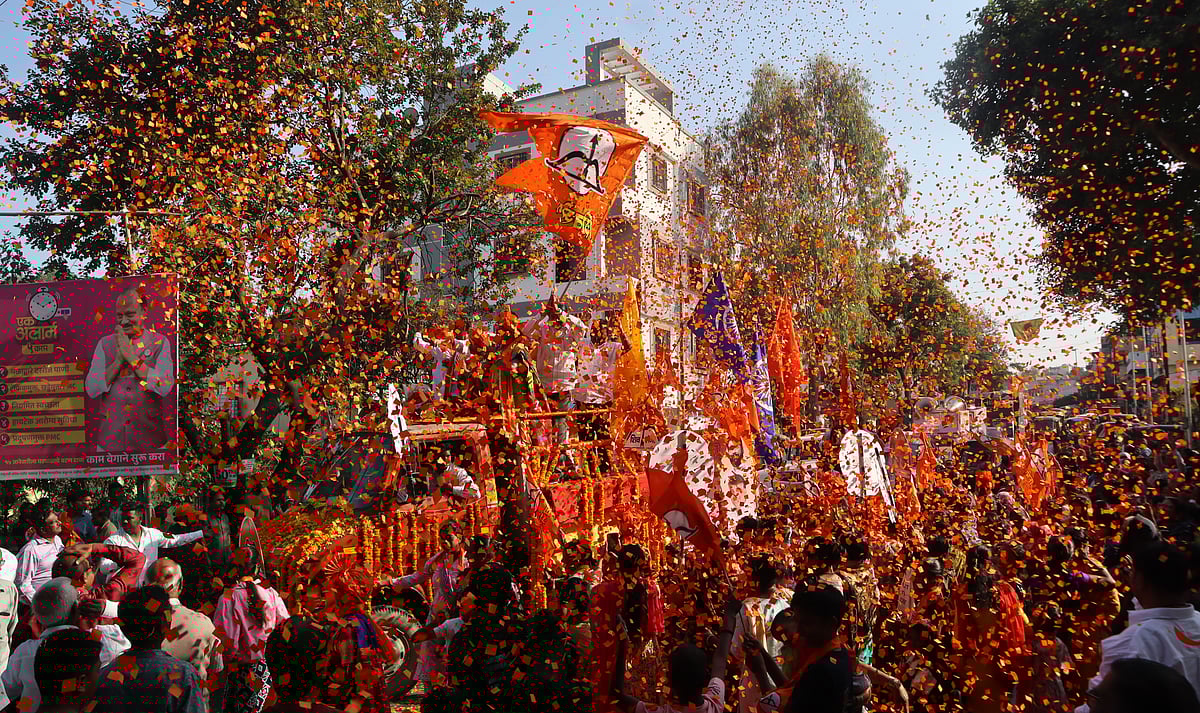
The campaigning for the January 15 municipal polls concluded today, but it hardly felt like a civic election campaign. The intensity, scale and aggression witnessed over the past couple of weeks in Pune and Pimpri-Chinchwad were more reminiscent of an Assembly election than a municipal contest.
Money Matters
The amount of money pumped into campaigning by various parties this time was unprecedented for a civic election. Traditionally, municipal poll campaigns revolved around door-to-door visits and small community events such as haldi-kunku for women. The focus was largely on personal outreach and direct interaction with voters.
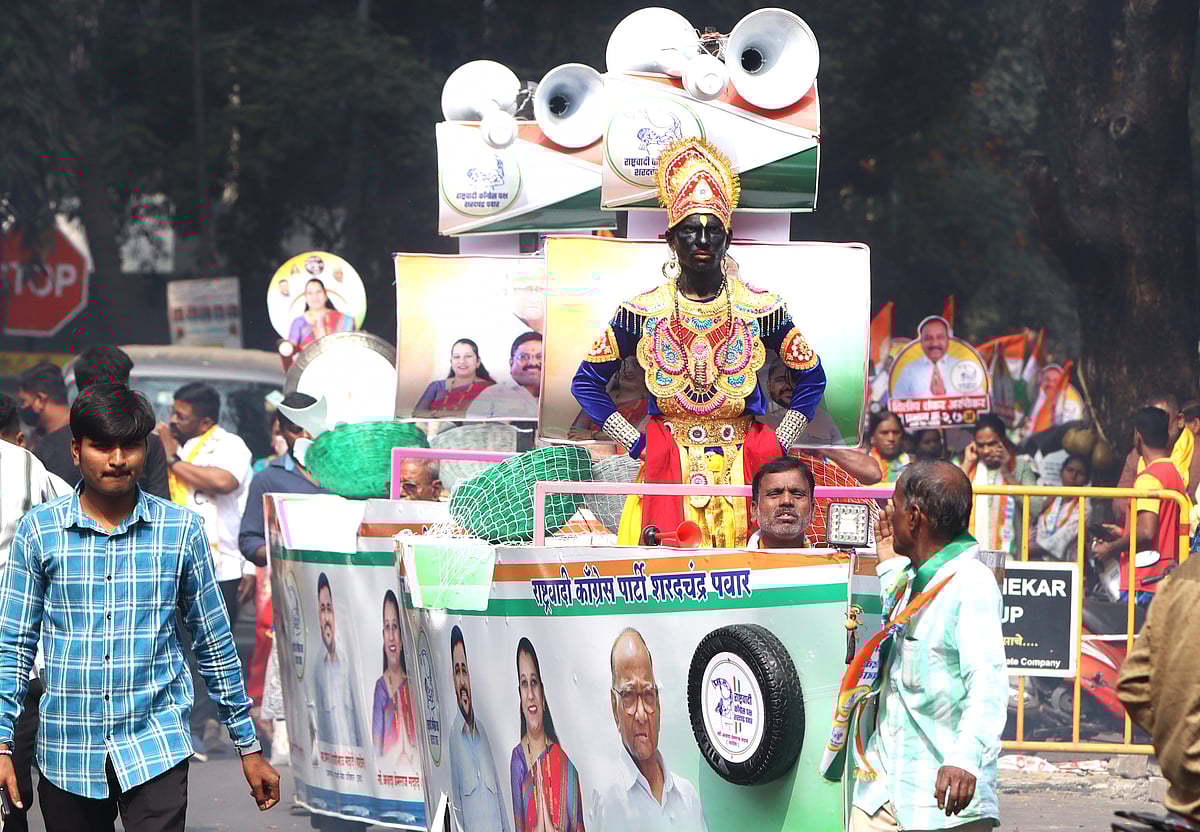
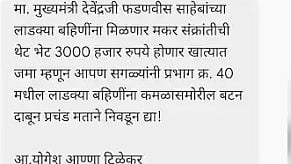
This time, however, money appeared to be doing most of the talking. Allegations surfaced that voters were offered anywhere between Rs 4,000 to Rs 10,000 per vote, while some candidates were allegedly given crores of rupees to withdraw their nominations. Moreover, wedding-style lunch and dinner programmes were organised in several wards for voters. All this made the campaign look more like a transaction, a sheer give-and-take, rather than an exercise rooted in social responsibility or public service.
Local Issues Neglected
The municipal elections are fought on issues such as water supply, garbage management, road repair and civic amenities. However, what was striking this time was that these core issues took a back seat, while larger political narratives dominated the campaign.
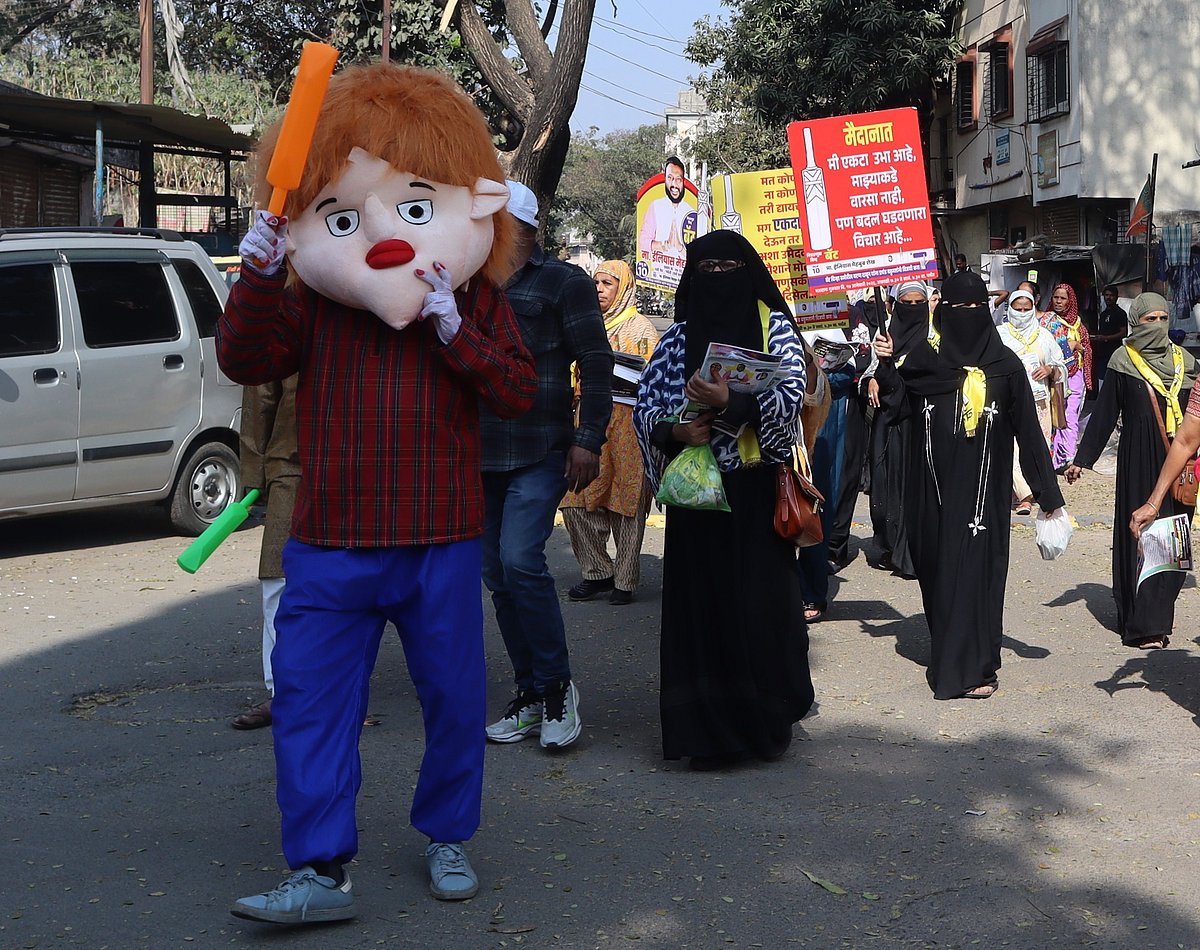
Instead of ward-specific problems, the discourse revolved more around identity-based and polarising narratives, making the campaigning resemble an Assembly election, where symbolism and showmanship mattered more than accountability and governance.
As a result, for many voters, the choice has become less about improving their neighbourhood and more about which party or leader should gain an advantage at the state level.
State allies trading barbs
Senior leaders from across parties camped in the two cities, turning what should have been ward-level battles into high-profile prestige contests.

Parties allied at the state level were openly at each other's throats, questioning one another's integrity, performance, and accusing each other of corruption and mismanagement.
This public sparring between allies underlined how high the stakes are in these municipal polls, while creating confusion among voters.
An Election Unlike Any Other
As the curtains fall on campaigning, it is evident that these municipal polls have rewritten the traditional understanding of civic elections. From unprecedented spending to Assembly-style identity politics and intense inter-party rivalries, this was no ordinary civic poll.
The verdict will come on the counting day (January 16). But one thing is certain: in scale, intensity and spectacle, it was an Assembly election in everything but name.
(The writer is the Pune Bureau Chief of The Free Press Journal)

