Nashik: Acting on the directives of Chief Minister Devendra Fadnavis, an expert committee has been constituted to study the impact of the Pune-Nashik semi-high-speed railway line's alignment on the Giant Metrewave Radio Telescope (GMRT) located at Khodad (Pune district).
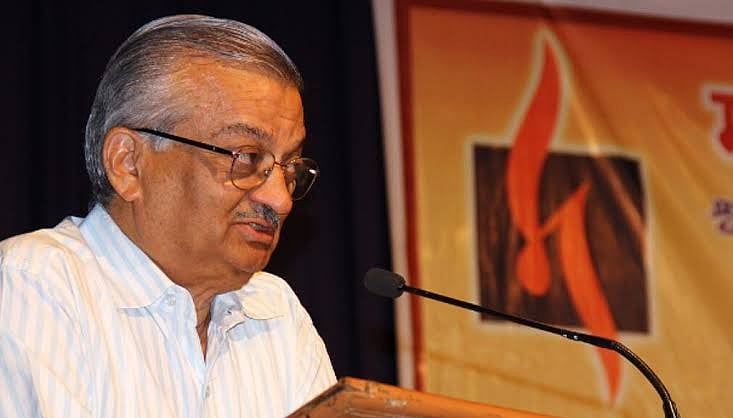
Shri Anil Kakodkar, former Chairman of the Atomic Energy Commission of India, has been appointed to chair this committee. According to the Chief Minister's Secretariat, the committee will examine the potential impact of the proposed railway alignment on GMRT's operations and submit a report.
This decision aims to balance scientific interests with development. GMRT is one of the world's largest radio telescopes, and the committee was formed in recognition of its scientific significance.
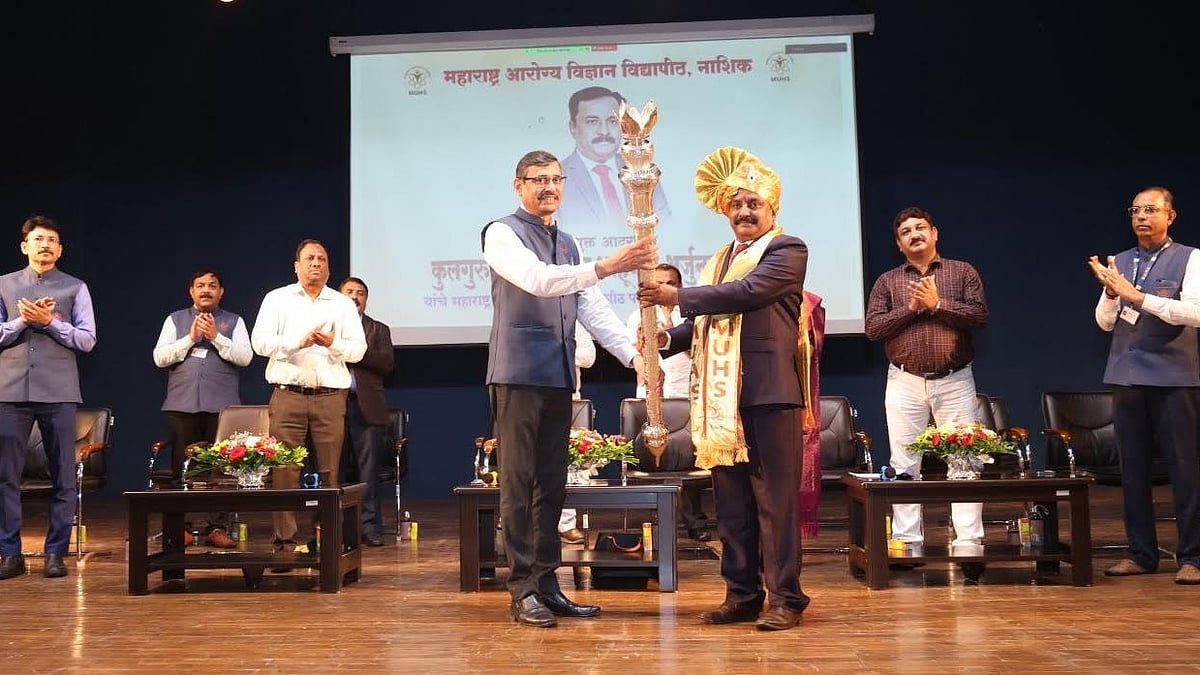
Information regarding this decision was shared via the Chief Minister's Office's official account. The committee may co-opt additional experts from the fields of radio astronomy, railway engineering, electromagnetics, and environmental science if necessary. The Pune Divisional Commissioner will provide secretarial, logistical, and financial support. The Maharashtra Rail Infrastructure Development Corporation (MRIDC) will present all relevant reports, diagrams, and data to the committee.
The Chief Minister's Secretariat has clarified that this significant decision has been taken to ensure a balance between science and development.
Acting on the directives of Chief Minister Devendra Fadnavis, a high-level expert committee has been established to study the impact of the Pune-Nashik semi-high-speed railway line's alignment on the Giant Metrewave Radio Telescope (GMRT) at Khodad (Pune district). Shri Anil Kakodkar, former Chairman of the Atomic Energy Commission of India, has been appointed as the chairman of this committee.
This information was conveyed in a Government Resolution issued by the Transport Department of the Government of Maharashtra on August 5, 2026.
Background
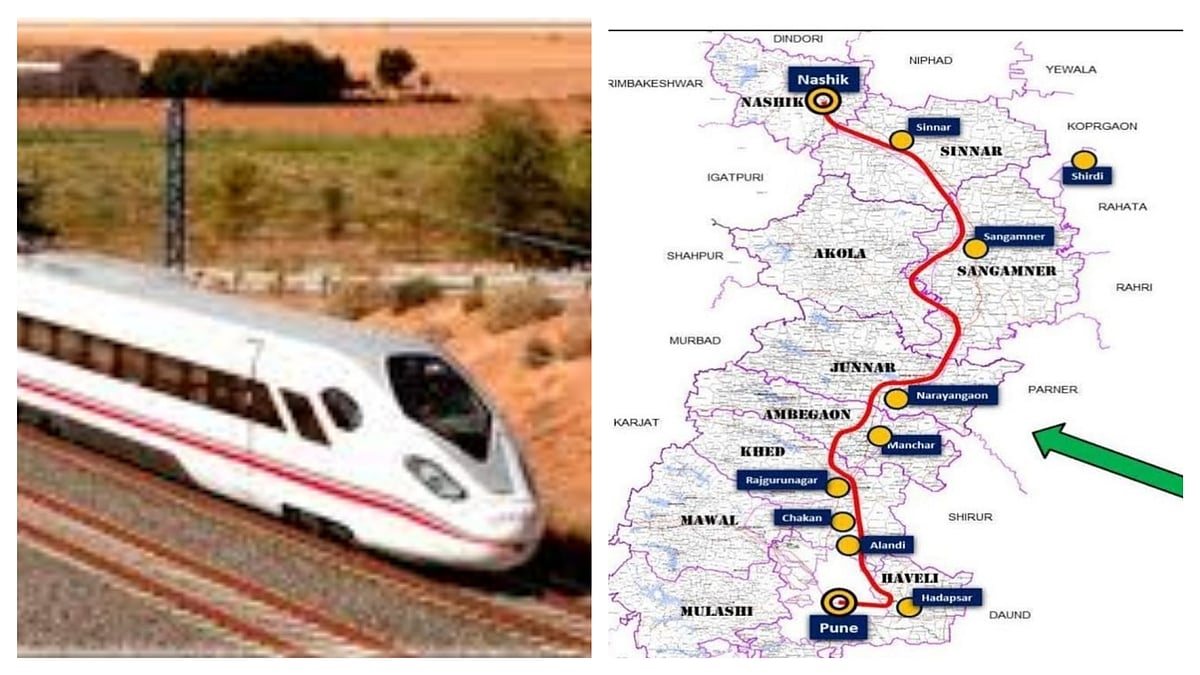
The Pune-Nashik semi-high-speed railway is a priority infrastructure project for the state. Since the original alignment passed close to the GMRT, scientific institutions—as well as the Central Government's Department of Atomic Energy and Department of Science and Technology—had expressed concerns regarding electromagnetic interference. Subsequently, the Ministry of Railways finalised a revised alignment passing through Ahilyanagar and Shirdi. However, as representations have been received regarding the possibility of technical improvements—such as a more direct alignment, tunnels, or elevated corridors—this committee has been constituted to conduct a detailed study.
Committee Composition
1. Shri Anil Kakodkar, Former Chairman, Atomic Energy Commission – Chairman
2. Shri Vivek Gupta, Member (Infrastructure), Railway Board – Member
3. Divisional Commissioner, Pune Division – Member
4. Divisional Commissioner, Nashik Division – Member
Terms of Reference
- To examine the potential impact of the original and revised alignments on the operations of the GMRT (electromagnetic, operational, etc.).
- To assess the technical feasibility of adopting either the original or the revised alignment (including options such as tunnels, elevated structures, etc.).
- To compare the impact of alternative alignments on travel time, project cost, land acquisition, industrial and agricultural connectivity, and socio-economic benefits.
- To consult with all relevant stakeholders, including the National Centre for Radio Astrophysics (NCRA), the Department of Atomic Energy, the Ministry of Railways, MRIDC, and the district administration.
- To submit a detailed report with clear recommendations to the State Government within 60 days of the committee's constitution.

