
The Maharashtra Food and Drug Administration (FDA) has suspended the licence of the Refectory (University Mess) at Savitribai Phule Pune University (SPPU) after an inspection found serious violations of food safety and hygiene norms. University officials have confirmed the suspension.
The action follows repeated complaints by students over the quality of food served at the university's mess. Over the past year, students have reported several incidents, including maggots, cockroaches, insects and hair being found in meals, along with concerns over poor hygiene, inadequate food quality and unsatisfactory service.
The FDA carried out a surprise inspection of the Refectory on the night of June 16 after receiving a complaint from the University Students' Struggle Action Committee (SPPU Unit). During the inspection, officials found several serious deficiencies in food storage, temperature control and food handling practices.
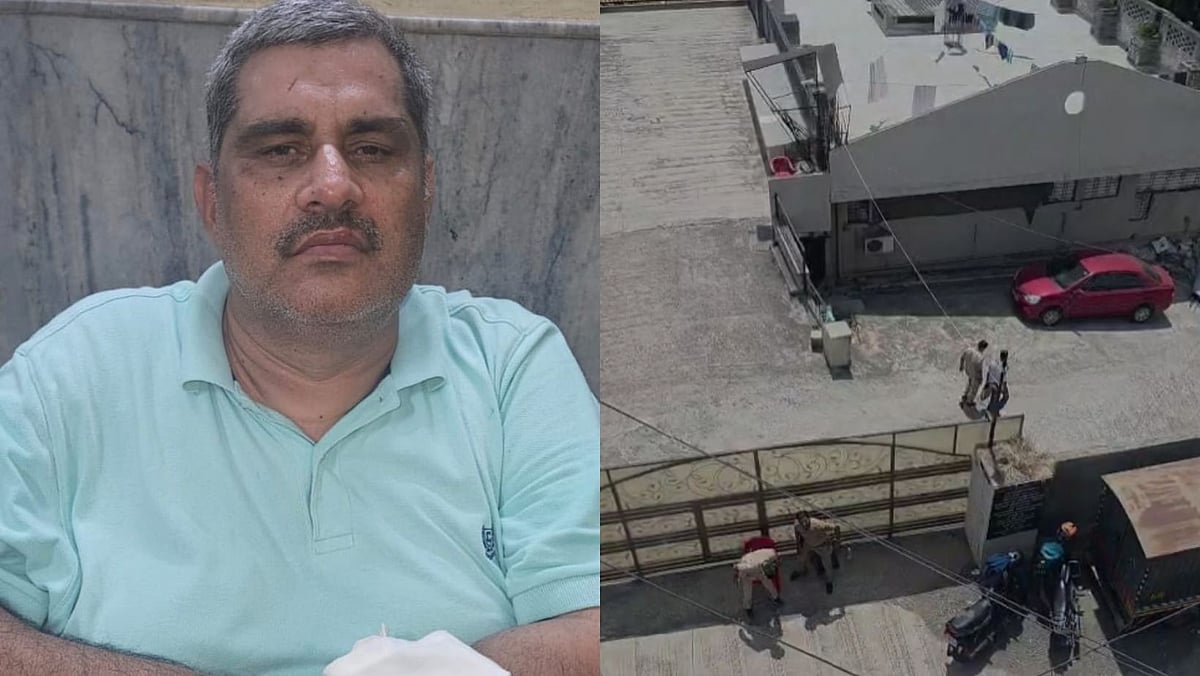
According to the inspection report, raw and cooked food were not being stored separately, creating a risk of cross-contamination. Officials also found inadequate pest control measures, poor overall hygiene, and the absence of mandatory medical examination records for food-handling staff. Based on these findings, the FDA suspended the licence of the mess operator until further notice.
The university's Refectory is operated by Shri Swami Samarth Bhojnalaya and Catering Services, which has been entrusted with providing meals to students, university staff and visitors on campus.
Students said they had repeatedly raised concerns with the university administration over the past several months. Apart from complaints about insects and larvae in food, they also alleged that smaller portions were being served following the gas shortage and that students often faced rude behaviour from mess staff. However, they claimed that despite repeated complaints, little action was taken until the FDA intervened.
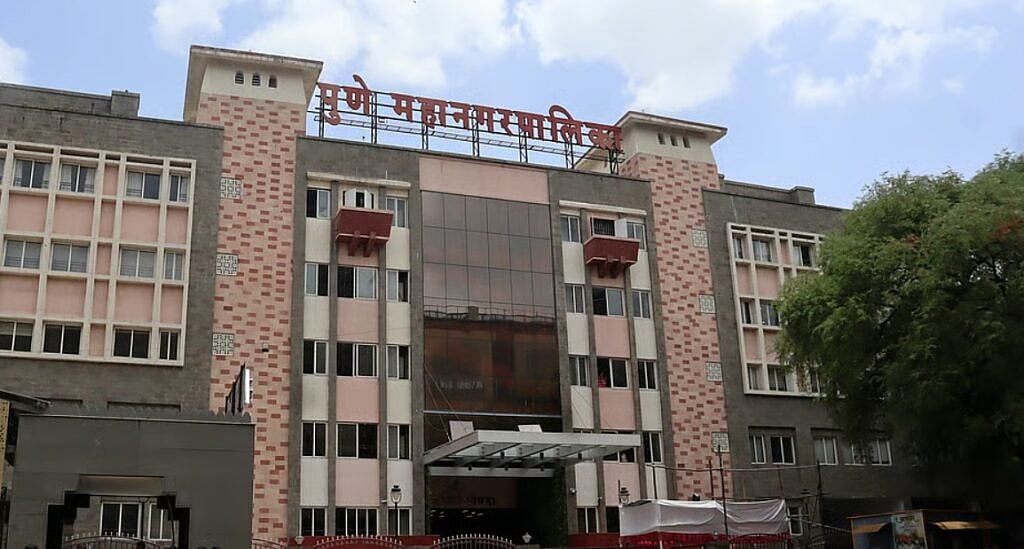
Welcoming the action, Ganesh Shinde, Member of the Mess and Quality Control Committee at SPPU, said the inspection was a positive step towards improving food quality.
"After students complained about the condition of the university mess, the FDA conducted an inspection and found several irregularities. We welcome the action taken and hope it leads to lasting improvements in hygiene and food quality," he said.
For hostel residents, the university mess is often the only source of daily meals.
"For hundreds of students like us living in hostels, the mess is our only option for food. We can recover lost money, but we cannot compromise with our health. This action will make mess operators more accountable. It should have happened much earlier. We thank the administration and the food safety officials for taking this important step," said Shiva Barole, a student.
Navnath Kawale, another student, said students had been raising concerns about the deteriorating quality of food for a long time.
"The quality of food had been declining for months. We repeatedly submitted complaints, but they were ignored. The FDA inspection has finally exposed these issues. We welcome the action, but the authorities should not stop at imposing penalties. Students must be assured of clean, hygienic and nutritious food every day," he said.
According to Abhishek Shelkar, President of the University Students' Struggle Action Committee (SPPU Unit), more than 50 complaints involving insects, larvae, cockroaches, hair and other contaminants in food have been reported from different university messes and canteens over the past year.
"The FDA inspection confirmed several violations of food safety regulations. Those responsible for compromising students' health must be held accountable. Strict enforcement of food safety standards is essential to prevent such incidents from recurring," Shelkar said.
Suraj Chavane, a PhD research scholar at SPPU, said he hoped the action would lead to better compliance across all campus food outlets.
"We hope this action encourages every mess and canteen on the university campus to strictly follow food safety and hygiene standards so that students receive safe and quality food," he said.

