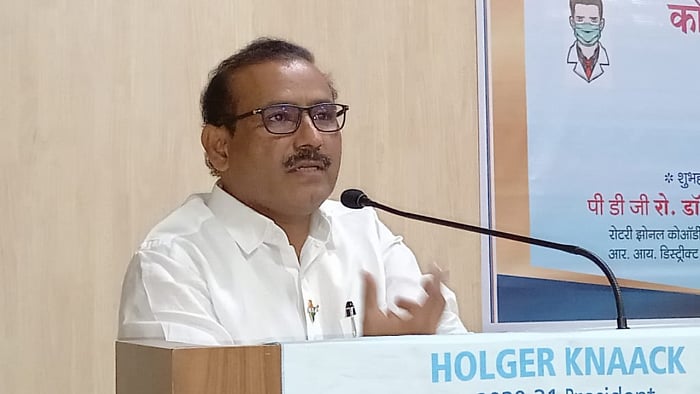
Jalna: Former minister Rajesh Tope has raised concerns over the financial viability of sugar-based ethanol distilleries in the state if the government restricts production from direct sugarcane juice and B-heavy molasses.
Tope said sugar factories had invested thousands of crores of rupees in ethanol projects in response to the Centre's E20 blending policy, but any restriction on key feedstocks could leave these plants facing difficulties in securing raw material and servicing bank loans.
Maharashtra has around 179 operational distilleries, including 143 sugar- or molasses-based units and 36 grain-based projects, he said.
He said investment in sugar industry-based distilleries in Maharashtra is estimated at ₹16,000-20,000 crore. Sugar industry-based distilleries have a combined annual ethanol production capacity of around 3.8 billion litres, while grain-based distilleries can produce around 1.04 billion litres annually, he said.
"Production may fall if the industry is forced to depend largely on C-heavy molasses. However, salaries, maintenance expenses, insurance, environmental compliance costs and bank instalments will continue," Tope said.
He said lower production and unchanged fixed costs could increase the per-litre cost of ethanol and put pressure on the cash flows of sugar factories, particularly cooperative units already carrying substantial debt.

Tope suggested converting existing sugar-based distilleries to dual-feed systems capable of using both sugar-based feedstock and grain.
Maharashtra should also promote grain-based ethanol while ensuring sustainable availability of raw materials, he said.
According to Tope, the state needs to balance three objectives in the 2026-27 season: maintaining sugar supply and prices, ensuring adequate ethanol for E20 blending and protecting the financial viability of investments already made in distilleries.
He also called for greater value addition from by-products such as DDGS (Distillers Dried Grains with Solubles), maize oil and carbon dioxide, besides producing biogas or compressed biogas from wastewater.
"The focus of future policy should not merely be on creating huge ethanol capacity, but on developing flexible capacity that has assured raw material and can operate profitably throughout the year," Tope said.

