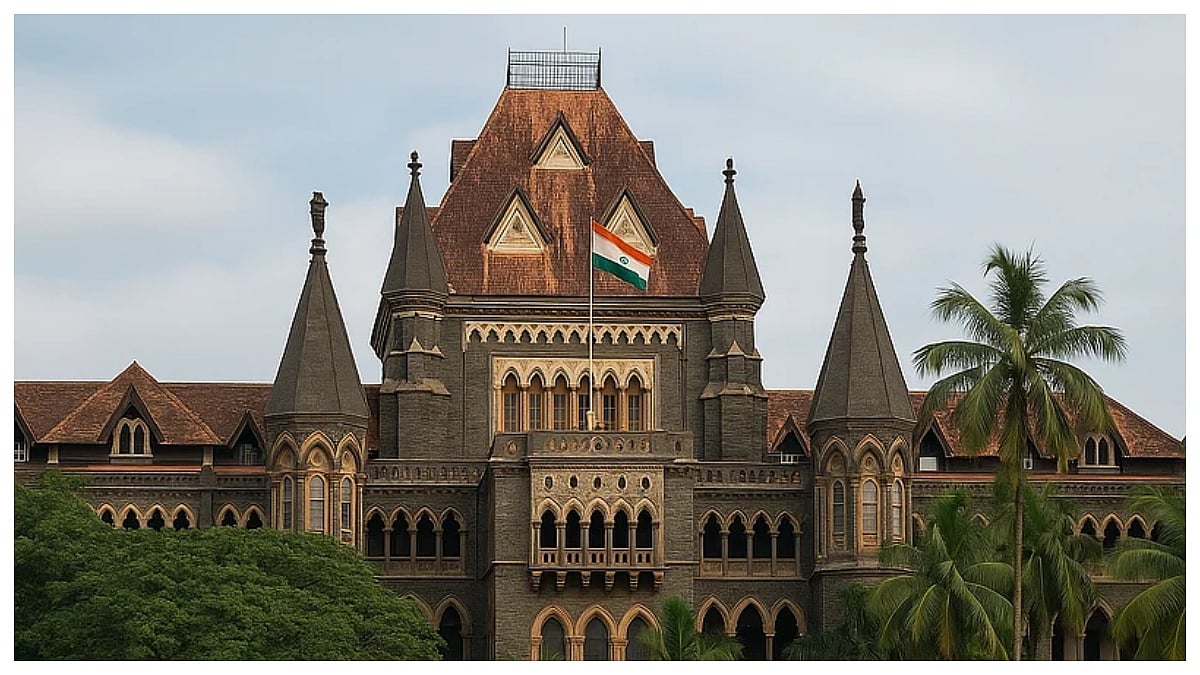
Pune: The Bombay High Court has ordered a detailed probe into the utilisation of ₹59 crore in government fee-reimbursement funds released to the Sinhgad Technical Education Society (STES), sought disclosure of 278 bank accounts held by the society and directed inspections of its colleges to establish the academic status of students. The court has also barred STES trustees from accessing or interfering with official institutional records, which will remain in the sealed custody of government-appointed administrators.
A division bench of Justice GS Kulkarni and Justice Dr Neela Gokhale issued the directions on November 19 and 20 while hearing more than 229 proceedings. The court recorded the Director of Higher Education’s description of the alleged irregularities as “nothing short of a scam” and said the CBI, Enforcement Directorate (ED) and police were free to act in accordance with the law.
Administrators have been appointed for 25 technical institutions and seven higher education institutions run by STES. Principals and office-bearers reportedly told the administrators that they had no access to financial transactions, including fee collections, which were controlled by STES trustees. Institutional records will remain sealed and be made available to investigating agencies.

The administrators must decide whether students can continue their education with the existing staff or be shifted to other institutions without disruption. Institutions found to be unviable may be closed and their assets taken over in accordance with the law.
₹59 crore reimbursement trail
On November 20, the court directed STES and trustee Rachana Alok Ashtekar to disclose the account into which the ₹59 crore released by the state government was deposited, along with details of withdrawals, dates, beneficiaries and disbursements. The disclosure must be accompanied by a Chartered Accountant’s certificate. The court questioned whether the funds had reached teachers, retired employees and eligible students or had been used for legitimate institutional expenses.
Directors of Education must file affidavits detailing the amounts paid to STES and students, the accounts receiving the funds, the officials who sanctioned the payments, the department heads concerned, and the dates and amounts of disbursements. The court criticised officials for failing to provide these details despite earlier directions.
Ashtekar’s affidavit listed 278 bank accounts held in different names, but the balances in some accounts were not disclosed as they were described as “offline accounts”. The court directed her to disclose those balances and sought details of whether any accounts had been operated, or STES or trustee properties dealt with, after its August 5 order.

The court also directed trustee Rohit Navale, who described himself as a Dubai resident and foreign citizen, to disclose the amounts received from STES or connected Indian parties. It referred to his declared investment of ₹11.14 crore in Jaishriram Sugar & Agro Products Ltd and holdings in five other trustee-linked companies. Banks must provide relevant information to investigators and the state.
Students’ academic future under scrutiny
Senior education officials must visit the affected colleges, meet students and faculty, and submit institution-wise reports on academic status, pending examinations, tentative examination months, staff availability and whether classes are being held.
Smt Kashibai Navale Medical College, Pune, was a particular concern. The court was informed that its functioning had been at a standstill since mid-October, affecting around 810 students -- 650 undergraduate and 160 postgraduate. The Maharashtra University of Health Sciences (MUHS) said its inspection had found several deficiencies and that its report had been placed before its Academic Council. The court directed MUHS to share the report with the National Medical Commission (NMC), and both bodies to visit the college and report on faculty availability, classes and the education being imparted.
Pune University must report on affiliated colleges, student numbers, academic obligations and staff-related measures. The court also sought details of student strength, staff and teaching activities at nine secondary schools and four other institutions.

The court said the ₹27 crore deposited with it under earlier orders could be considered for disbursement to retired employees and serving teaching and non-teaching staff after hearing the parties. STES also tendered a demand draft of ₹7.5 crore in favour of the High Court Registrar, which was accepted for deposit pending further orders. Bank of Baroda told the court that ₹240 crore was due from STES and was permitted to file an affidavit on the society’s financial position. The court clarified that it was not adjudicating the bank’s claim.
The Charity Commissioner must examine the trust deed, pending change reports and the foreign-nationality trustee’s status. The court also sought details of land, leases, licences and infrastructure supporting institutional recognition. The matter will be heard next on November 25.
Level up your brain the fun way. Play daily games and quizzes on FPJ Smart!

