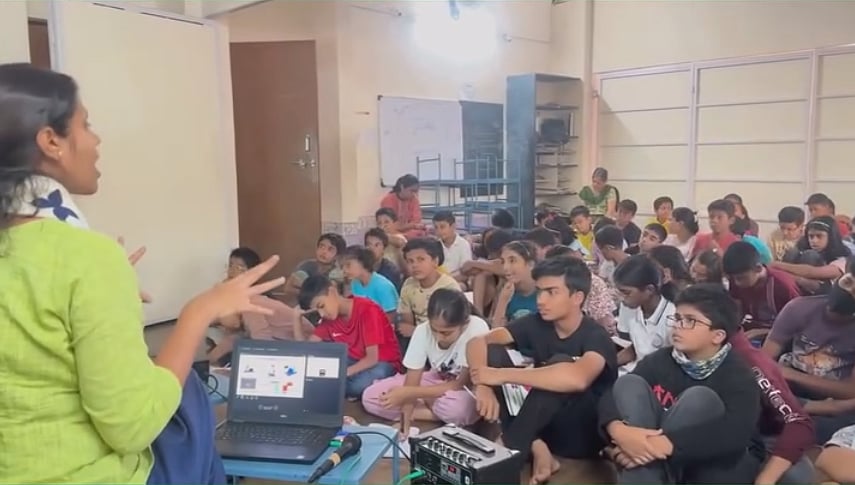
The trajectory of urban development in Pune presents a tension between rapid modernisation and ecological preservation. At the centre of this narrative is Parisar, an organisation that has transitioned from a localised group of concerned citizens into a policy research and advocacy organisation.
Formed in 1981
Parisar was formed on June 5, 1981, in response to the deteriorating quality of urban life resulting from an overall apathy towards the environment and the neglect of the natural and man-made heritage of the city. The organisation realised that environmental advocacy was a tool for social equity, as the degradation of public spaces disproportionately affected those without the means to access private alternatives.
Over four decades, the organisation has navigated the complexities of urban governance, studying, developing and improving the very blueprints—legal, architectural and systemic—that define Pune’s spatial reality.
Preserved SPPU's main building
One of Parisar's earliest and most significant victories was the preservation of the Pune University main building, a Victorian structure threatened by a proposal to construct a new building directly opposite it. By mobilising citizens and the media, Parisar successfully convinced the then-Governor of Maharashtra, Idris Latif, that the construction would irreparably spoil the heritage site.
This period was also defined by legal intervention. In 1987, Parisar filed its first civil suit against a planned road intended to be laid in the riverbed. While the organisation eventually lost in the Supreme Court, the case was a watershed moment for Pune. It brought the ecological sanctity of the river into the public consciousness and questioned the prevailing wisdom that more roads were the only solution to traffic problems. This willingness to challenge the state through the judiciary became a hallmark of Parisar’s strategy.
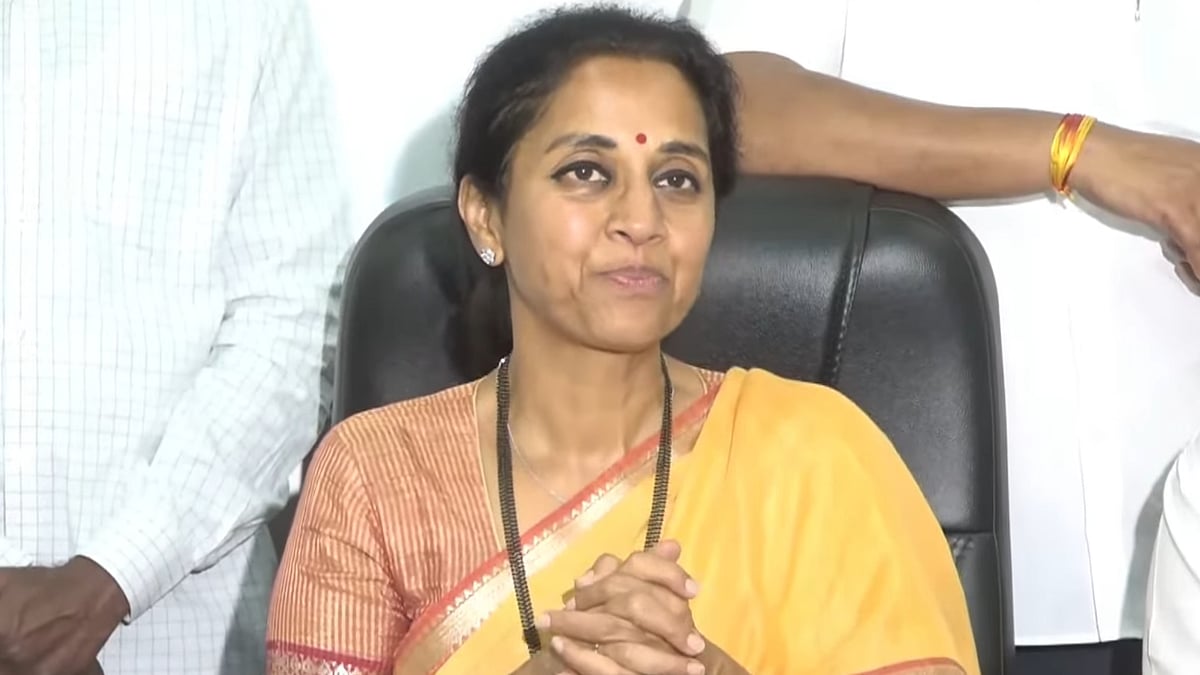
The motivation behind Parisar’s formation was the critical absence of organisations that integrated ecology into the urban development narrative. At the time of its founding, environmental science was barely discussed in academic circles in India. It was not until 1982 that the University Grants Commission (UGC) drafted the first course on environmental science, a process in which Parisar President Vijay Paranjpye was intimately involved. This academic rigour defined Parisar’s early approach, which was deeply influenced by the philosophy of "Deep Ecology" and a holistic understanding that all aspects of life—from biology and gender to food systems and climate—were interconnected. In addition to this, the multidisciplinary nature of the founding team allowed Parisar to tackle a wide variety of urban issues, such as protecting urban heritage and preserving the biodiversity of Pune, with specialised expertise.
During the mid-90s, the transition from a cycle-friendly city to one dominated by motorised private vehicles was a public health crisis characterised by rising air pollution, road fatalities, and the erosion of public space. Under the leadership of Sujit Patwardhan, Parisar concentrated its efforts on sustainable urban transport, advocating for a shift from "vehicle-centric" to "people-centric" planning.
This shift was inspired by international movements in Latin America and Europe, where civil society had successfully forced governments to reconsider the domination of the personal automobile. Parisar began to argue that the quality of life in Pune was inextricably linked to how citizens moved. If the city continued to prioritise flyovers and road widening, it would only induce more traffic, creating a vicious cycle of congestion and pollution.
.jpg)
'Rooted in local context of Pune'
Vijay Paranjpye, President, Parisar, said, “Our work has always been rooted in the local context of Pune. We've worked on improving public transport, preserving the tree cover through better road design, and more recently, our efforts to reduce air pollution through awareness building on the health impacts of pollution and working closely with the Pune Municipal Corporation (PMC) and other allied entities are providing immediate and tangible benefits to Punekars. Parisar has also helped inspire and catalyse similar civic action for many other organisations, which have now taken the lead in their respective areas of work.”
'Valuable contributions to the city'
Ranjit Gadgil, Programme Director and Secretary, Parisar, added, “The organisation has grown over the years, and the team has made valuable contributions to the city in urban planning, transport, road safety, governance, air quality, and ecosystem protection.”
'Impacting thought and action well beyond Pune'
Praising the organisation, Dr Sanskriti Menon, Sr Programme Director, Centre for Environment Education, said, “Parisar not only highlights issues that need attention but has also helped develop locally relevant solutions through close and persistent engagement with municipal authorities, state and central governments, and partnerships with other NGOs, impacting thought and action well beyond Pune.”
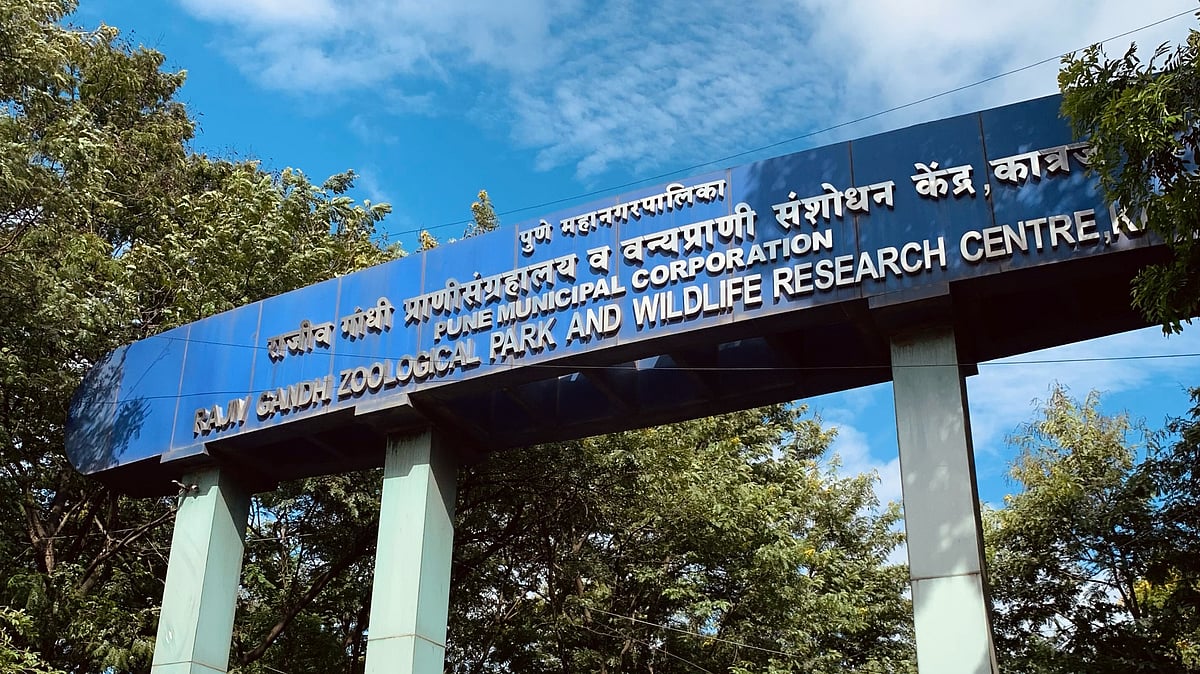
Additionally, Vandana Chavan, a former Rajya Sabha MP, has consistently endorsed Parisar’s work. She has frequently collaborated with the organisation on issues ranging from the protection of biodiversity parks to air quality monitoring. Her endorsement signifies that Parisar’s work is not merely academic but is also a vital tool used by elected representatives to safeguard the city’s future.
As Pune continues to expand, the challenges facing its environment and transportation systems will only intensify. Parisar’s journey from a heritage watchdog to a sustainable transport advocate mirrors the evolution of Pune itself. The organisation has successfully institutionalised the idea that urban development must be environmentally viable to be truly successful. By moving from the "Deep Ecology" of the 1980s to the technical "Gender Action Plan" of the 2020s, Parisar has ensured that it continues to bridge the gap between urban policy and implementation.

