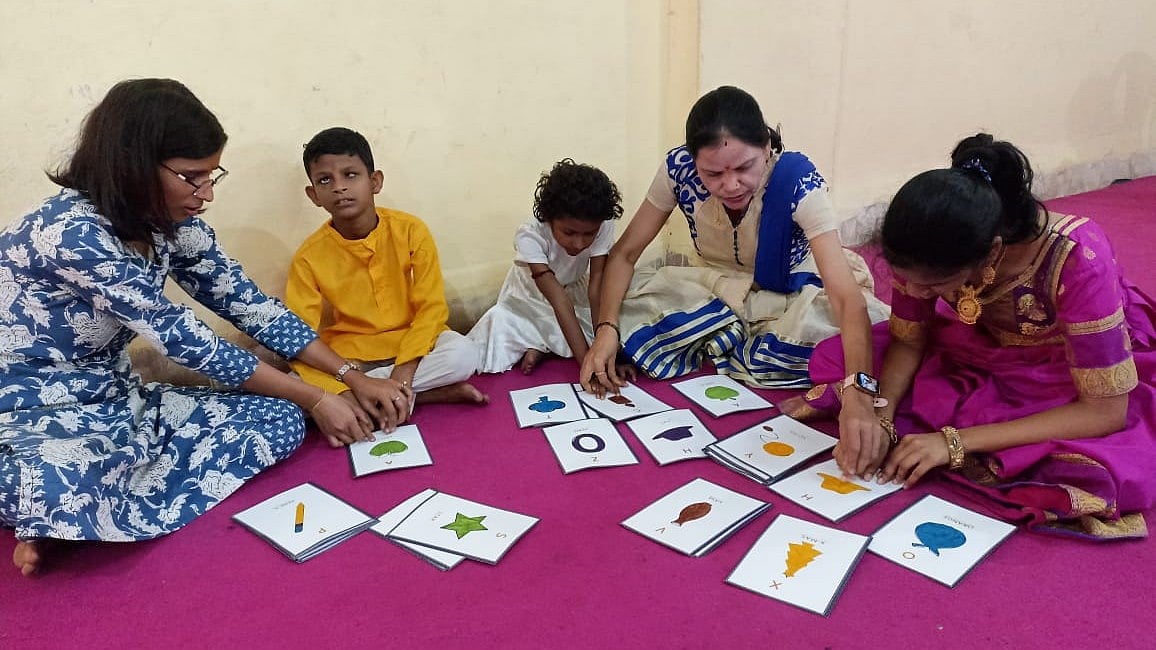
“Being Jigyaasu” — a simple concept of being curious — is driving the work of the Jigyaasu Impact Foundation. Founded by Rajat Agarwal, this volunteer-led social impact organisation uses technology and community participation to make education more accessible for students across India, particularly those in government schools and visually impaired students.
Agarwal’s journey into social impact also stems from years of experience in education, understanding many of the challenges students face. He worked as a teacher for about 10 years in a private institution and was one of the founding members of the NGO Jatri, supporting blood cancer patients.
The philosophy with which they work is always being curious, listening to the problems people are facing, and constantly asking questions about issues in society.
“Jigyasu basically means curious. What we do is try to understand what problems society is facing. Our focus is largely on education, though we also work on issues like the environment and women's empowerment,” said the founder when asked about the idea behind the initiative.
“We try to understand what the roadblocks in education are. Once we identify a problem, we ask a simple question: Can volunteering help solve this? Then we engineer a volunteering solution around it so that corporate volunteers, college students and others can contribute,” he added. This also helps people from various backgrounds come together and participate in social initiatives while helping the community.
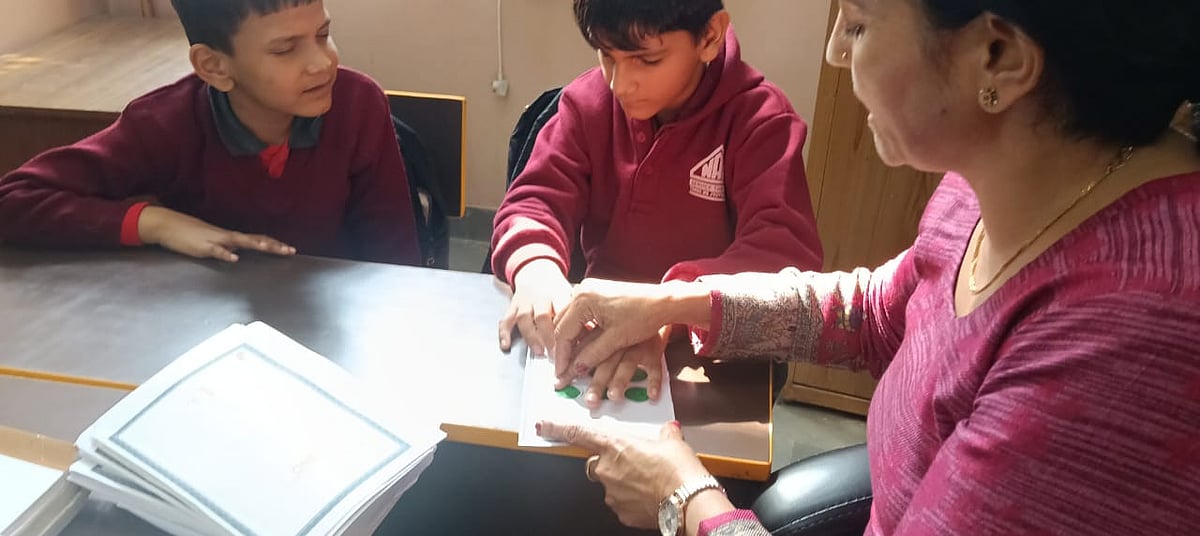
One of the key issues the organisation picked was the lack of study/reading material for visually impaired students.
“Many visually challenged students have very little to read beyond their textbooks. In some classrooms, there may be 15–20 students, but only one textbook kept in the library,” he explained. The two main reasons for this to occur were that very few people know how to write Braille, and Braille printers are extremely expensive, which makes it difficult to produce books for an entire school.
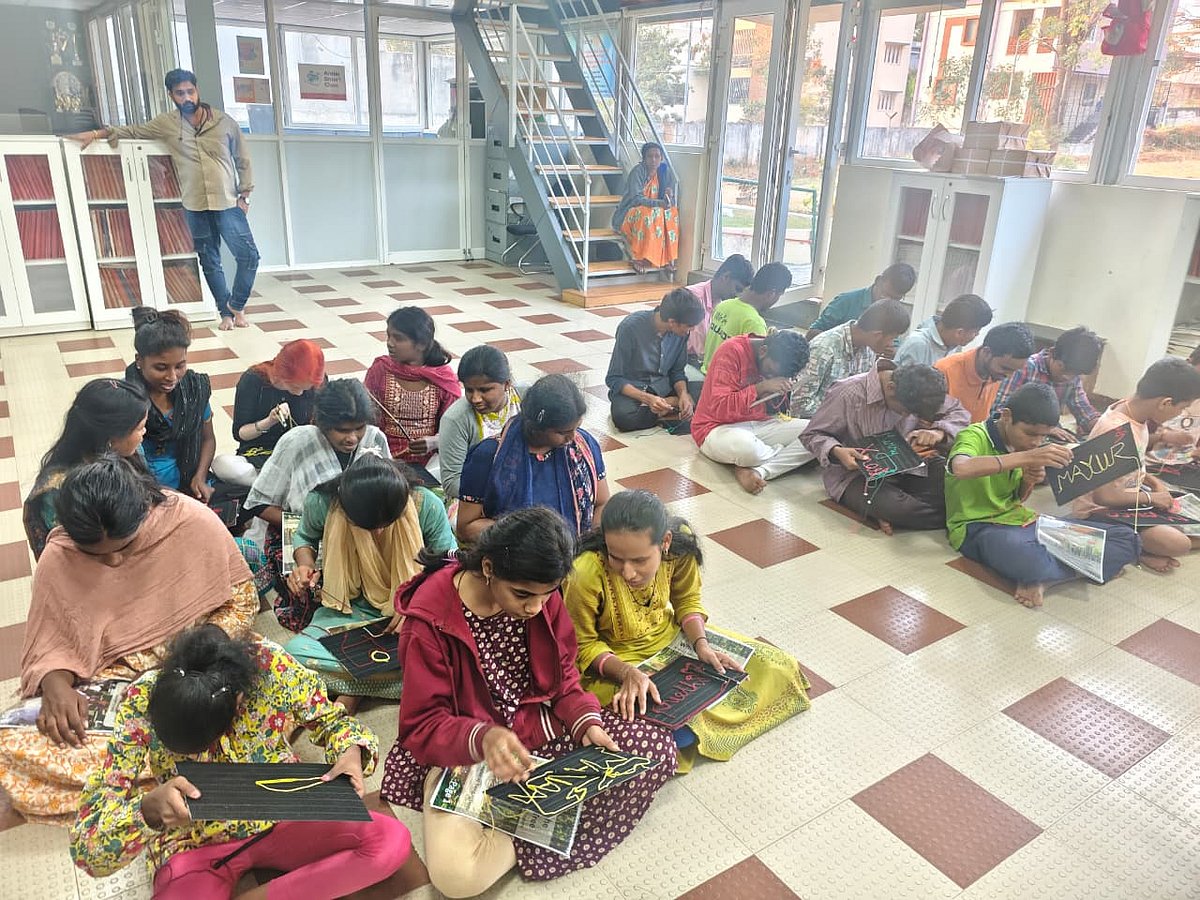
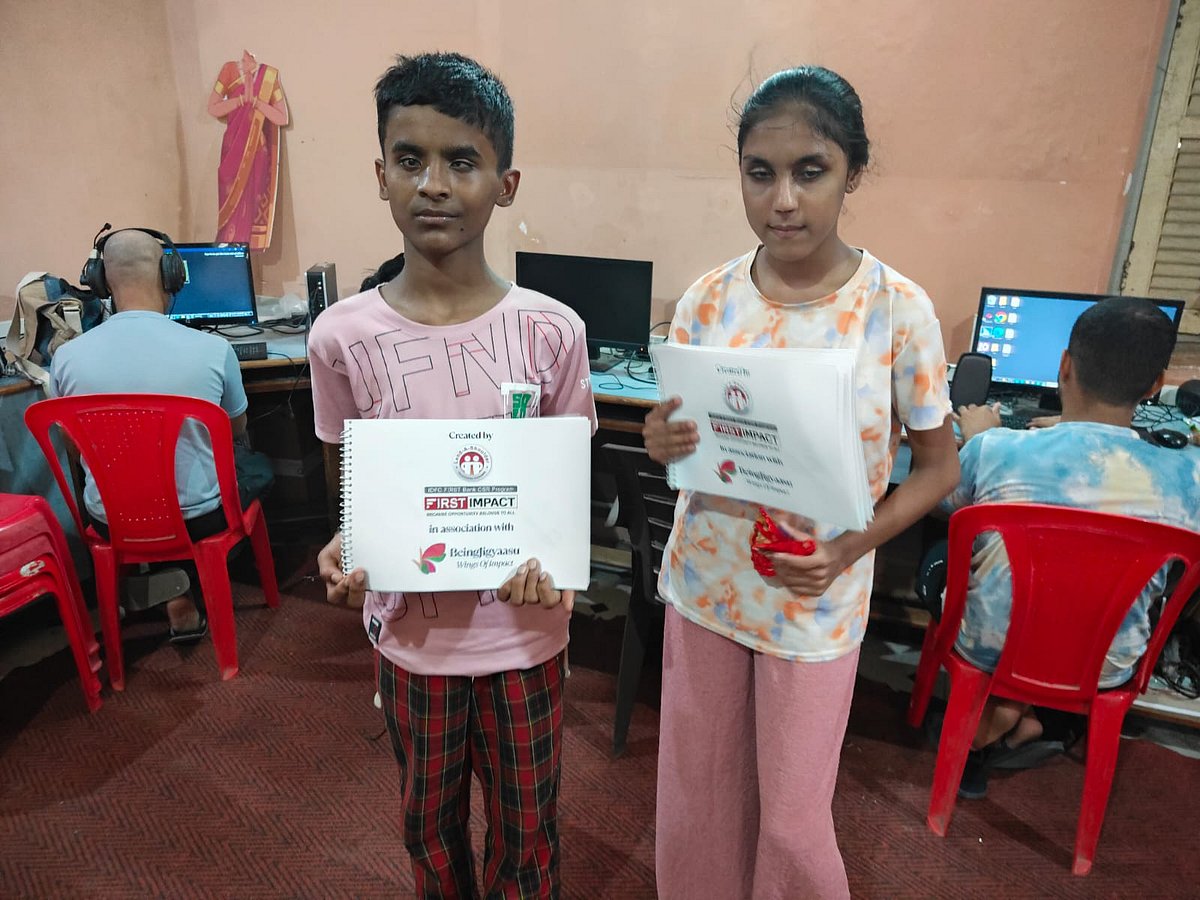
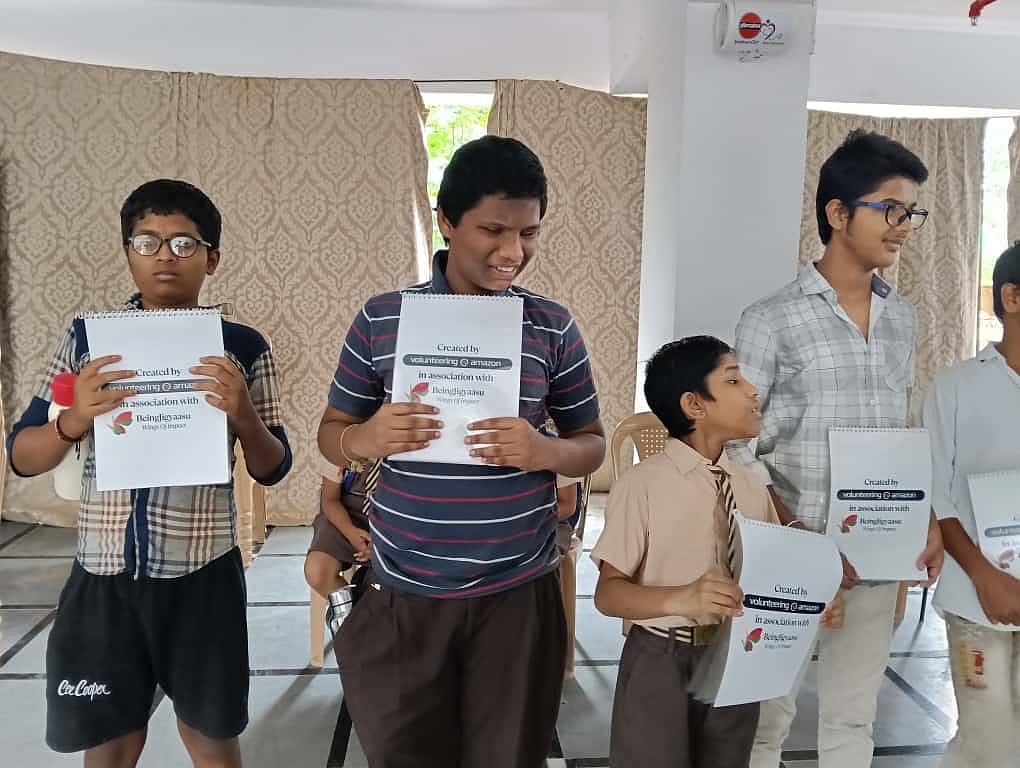
To overcome this challenge, the organisation developed a simple, low-cost method that allows volunteers to create Braille books quickly without needing specialised training. Volunteers simply punch the dots with a stylus, and the correct Braille automatically appears on the back of the page. This innovation has made book creation faster and more accessible. They also use AI-enabled Braille storybooks and tactile learning resources.
“If around 100 volunteers come together, they can easily produce 20 to 30 books within an hour to an hour and a half,” he said. This method also comes in handy to create Braille books in regional languages like Marathi, as finding a Braille book in Marathi is extremely rare and expensive.
The organisation has also noticed the lack of laboratory infrastructure in government schools. Thus, in a tie-up with another volunteer solution called Scholar Lab, it introduced virtual science laboratories. “Many students in municipal schools have never even seen basic lab equipment like burners or instruments. Building physical labs is expensive and requires space and maintenance,” the founder noted.
These simulations help students from Class 6 to Class 12 perform physics, chemistry and biology experiments digitally. “A student can log in through a phone or computer and access simulations that show step-by-step experiments. For example, they can perform an acid-base indicator experiment virtually and see how the colour changes,” he explained.
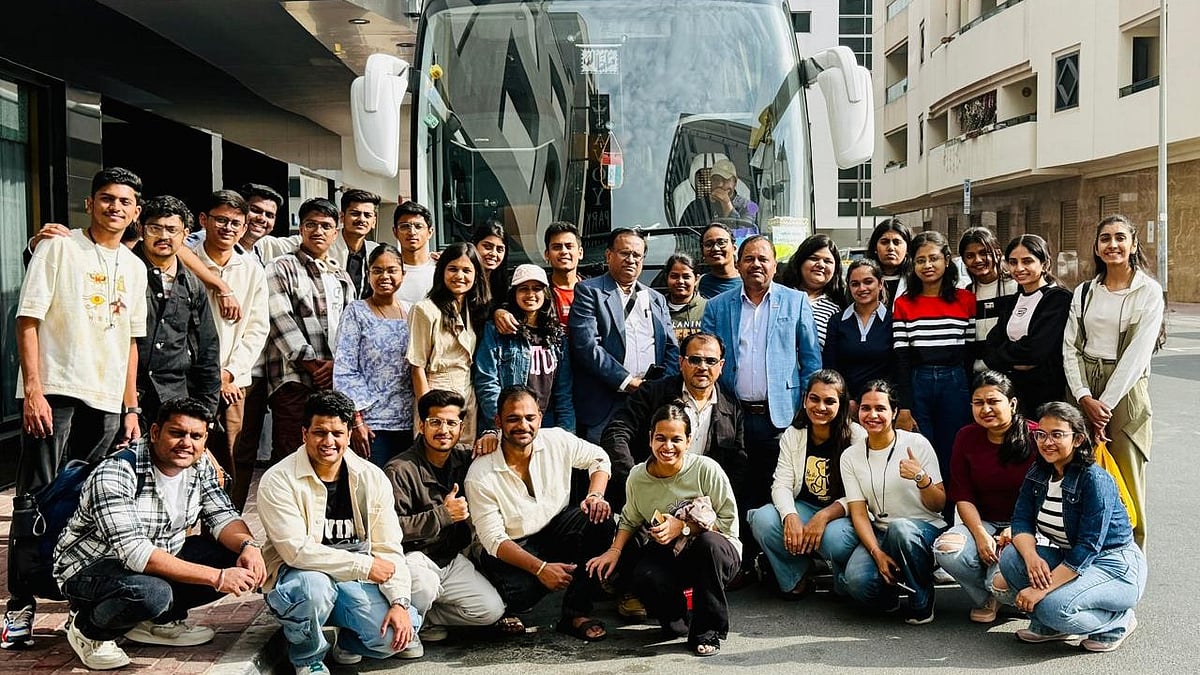
The organisation's initiatives are powered by volunteers across India. It currently operates in around 35 locations nationwide, including cities such as Jaipur, Lucknow, Raipur, Bengaluru and Hyderabad. “We are not trying to do something extraordinary. We are simply trying to see if people can come together and solve problems in their communities,” the founder said.
The initiatives of Jigyaasu Impact Foundation have also benefited several institutions working with visually impaired students across India. The organisation has supported schools and institutions such as the National Association for the Blind in Mumbai, the National Association for the Blind in Bengaluru, Pune School and Home for the Blind in Koregaon Park, Poona Blind Girls School, Samarthanam Trust for the Disabled, Deepstambh Foundation and Devnar School for the Blind. Through volunteer-driven initiatives such as Braille book creation and accessible learning resources, the foundation has helped these institutions improve access to educational material for visually impaired students.
The organisation believes that curiosity leads the way, and communities can come together to create solutions that truly transform education.

