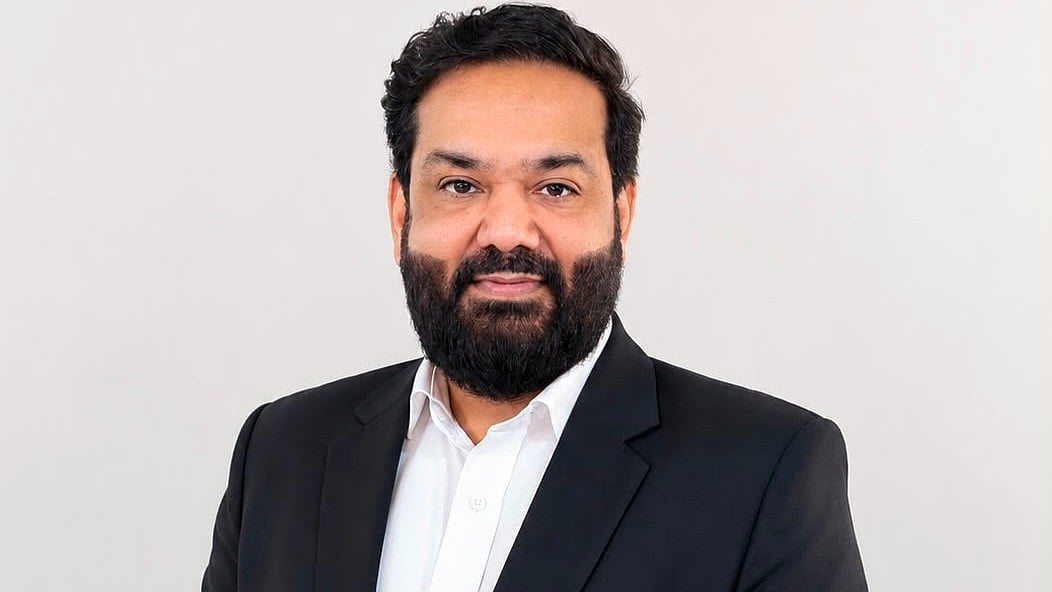
For Advocate Satya Muley, social responsibility is not an act of charity; it is a duty that every individual owes to society.
"We don't see it as giving back to society because we are the society," Muley told The Free Press Journal. "It's about recognising society's entitlement and playing our role as responsible citizens."
That belief has shaped the work of Pune-based law firm Satya Muley & Co., which dedicates a significant portion of its time to pro bono litigation on civic issues affecting thousands of residents.
From securing safer footpaths and improving access to drinking water to protecting green spaces and preserving public amenities, the firm's public-interest interventions have sought to address everyday challenges faced by citizens.
One of its most significant campaigns has centred on pedestrian rights.
"Elderly people, people with disabilities and those who depend on footpaths are often the most underprivileged," Muley said. "We've been working towards removing electricity infrastructure laid on footpaths across urban Maharashtra, and our efforts have contributed to judicial recognition that the right to walk is a fundamental right."

The firm has also been instrumental in addressing water scarcity in Pune district. Following proceedings before the Bombay High Court, a special committee comprising senior government officials and civic commissioners was constituted to monitor water supply issues.
"Our objective is simple. We firmly believe every person, whether living in a housing society or a hutment, should have access to sufficient potable water," Muley said. "We regularly review grievances from across Pune district so that shortages are addressed systematically."
Another milestone came with the abolition of the non-agricultural (NA) tax on residential land in Maharashtra.

"This wasn't just about Pune. The abolition of the NA tax has benefited residential landowners across the state," he said.
The firm has simultaneously challenged attempts to commercialise amenity spaces reserved for public use.
"These spaces are meant for facilities such as public schools, hospitals, nursing homes and parks," Muley said. "They should serve citizens, especially those who cannot afford private alternatives."
Environmental concerns have also remained central to the firm's work.

"Development should never come at the cost of the city's green cover," he said. "Tree cutting must strictly follow the law so that urban growth remains sustainable."
Unlike conventional CSR programmes, Muley says the firm's work is driven entirely by voluntary commitment.
"All these initiatives are pro bono. We don't charge anyone. In fact, nearly 50 per cent of our time and effort goes into public-interest work," he said.
The firm identifies civic issues through a network of activists spread across Pune district. Complaints are first taken up with authorities through formal representations and review meetings. If no action follows, the firm pursues legal remedies.

"We believe authorities should be given an opportunity to act," Muley said. "But if there is continued inaction, we don't hesitate to approach the High Court to ensure accountability."
When asked about the biggest challenge in implementing social initiatives, Muley pointed to systemic inefficiencies.
"The biggest hurdle is bureaucratic inaction," he said. "When governance fails to deliver basic civic services, citizens are often left with no option but to seek judicial intervention."
Despite these challenges, Muley believes the legal profession can play a transformative role in society.
"We invest time in research and develop innovative legal solutions to civic problems," he said. "Eventually, when the courts recognise these efforts, they create changes that have a lasting impact on society."

