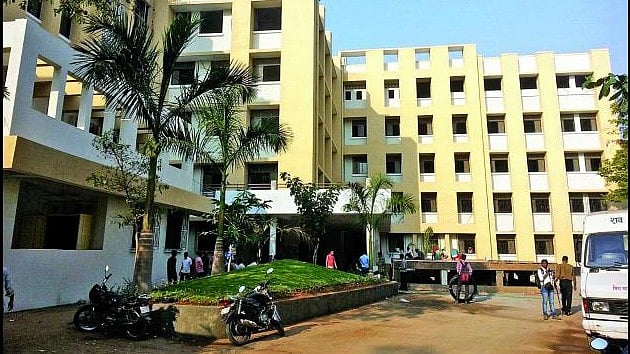
Palghar: Nearly a decade after the formation of Palghar district, the lack of adequate public healthcare infrastructure continues to pose a challenge for residents, particularly those living in rural and tribal areas. Despite repeated announcements and reviews, key healthcare facilities, including the district hospital, the trauma care centre at Manor and a dedicated women and child hospital, remain incomplete or await the resources and clearances required to become fully operational.
Also Watch:
The inadequacy of healthcare facilities was also highlighted by District Guardian Minister Ganesh Naik during a District Planning Committee meeting, bringing renewed attention to the gaps in the district’s public health system.
With a substantial rural and tribal population, Palghar continues to depend on hospitals outside the district for several specialised and emergency medical services. Patients requiring advanced treatment, complicated deliveries and critical care are often referred to Thane, Mumbai and Gujarat, while residents of certain remote areas may have to travel to Nashik. The situation adds to the financial and logistical burden on patients and their families.
District hospital awaits additional funding
Although the district hospital building has been constructed, approximately ₹188 crore is reportedly required to make the facility fully operational. The proposal for the additional funding is yet to progress, delaying the hospital’s ability to provide comprehensive healthcare services.
The delay has raised concerns over the district’s capacity to meet the growing demand for specialised treatment, emergency services and other essential medical facilities. A fully functional district hospital is expected to reduce the need for patients to seek treatment outside Palghar.
Manor trauma care centre faces operational delays
The trauma care centre at Manor, located along the Mumbai-Ahmedabad National Highway, is another major healthcare project awaiting full operationalisation. The facility is expected to provide critical treatment to road accident victims along the busy highway, where timely medical intervention can be crucial.

Although construction of the building has been completed, several essential works and administrative clearances have delayed its opening. These include securing a regular water connection, augmenting the electricity supply, installing furniture and establishing a medical oxygen system. Completion certificates from multiple government departments have also contributed to the delay.
Women and child hospital remains awaited
A dedicated women and child hospital is yet to become operational in Palghar, despite repeated announcements regarding the need for specialised maternal and paediatric healthcare services.
The absence of such a facility poses challenges for pregnant women, newborns and children requiring specialised medical attention. The difficulties are particularly significant for families from remote villages and economically weaker sections, who may have to travel considerable distances to access appropriate treatment.

Concerns persist over the availability of specialist doctors and facilities required to manage high-risk pregnancies, delivery-related complications and critical neonatal conditions. A dedicated hospital could help strengthen maternal and child healthcare services within the district.
Tribal areas continue to face healthcare gaps
Healthcare challenges remain particularly acute in tribal-dominated regions such as Jawhar and Mokhada, where shortages of doctors, medical equipment, medicines and supporting infrastructure affect service delivery at hospitals and primary health centres.
Poor road connectivity during the monsoon further restricts access to medical facilities in remote villages. In emergencies, patients may have to travel long distances to reach hospitals equipped to provide advanced treatment. Pregnant women with complications and other patients requiring specialised care are among those who can face significant difficulties.
The shortage of doctors, nurses and technical personnel across primary health centres and rural hospitals has also increased dependence on private healthcare providers. For economically disadvantaged families, the cost of private treatment, coupled with transportation expenses, can become a substantial burden and may delay access to necessary medical care.
Funding and implementation remain key concerns
The continued delays in strengthening Palghar’s public healthcare infrastructure have raised questions about the pace of implementation of projects considered essential for the district’s growing population.
While the construction of hospital buildings marks an important step, their effective utilisation depends on timely funding, adequate staffing, medical equipment, essential services and the completion of statutory clearances.
The pending projects highlight the need for coordinated action among the departments concerned to ensure that infrastructure translates into accessible and functional healthcare services.
For residents of Palghar, particularly those in remote tribal areas, the operationalisation of these facilities remains critical to reducing dependence on hospitals outside the district and improving access to timely, affordable and specialised medical treatment.
To get details on exclusive and budget-friendly property deals in Mumbai & surrounding regions, do visit: https://budgetproperties.in/

