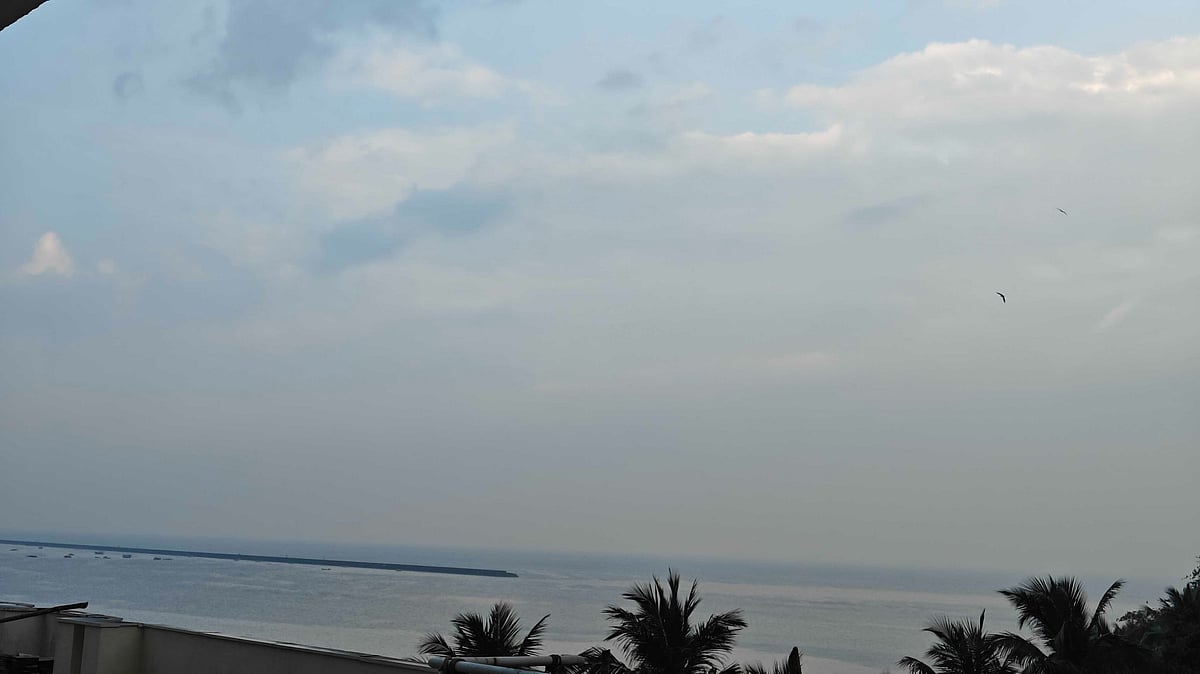
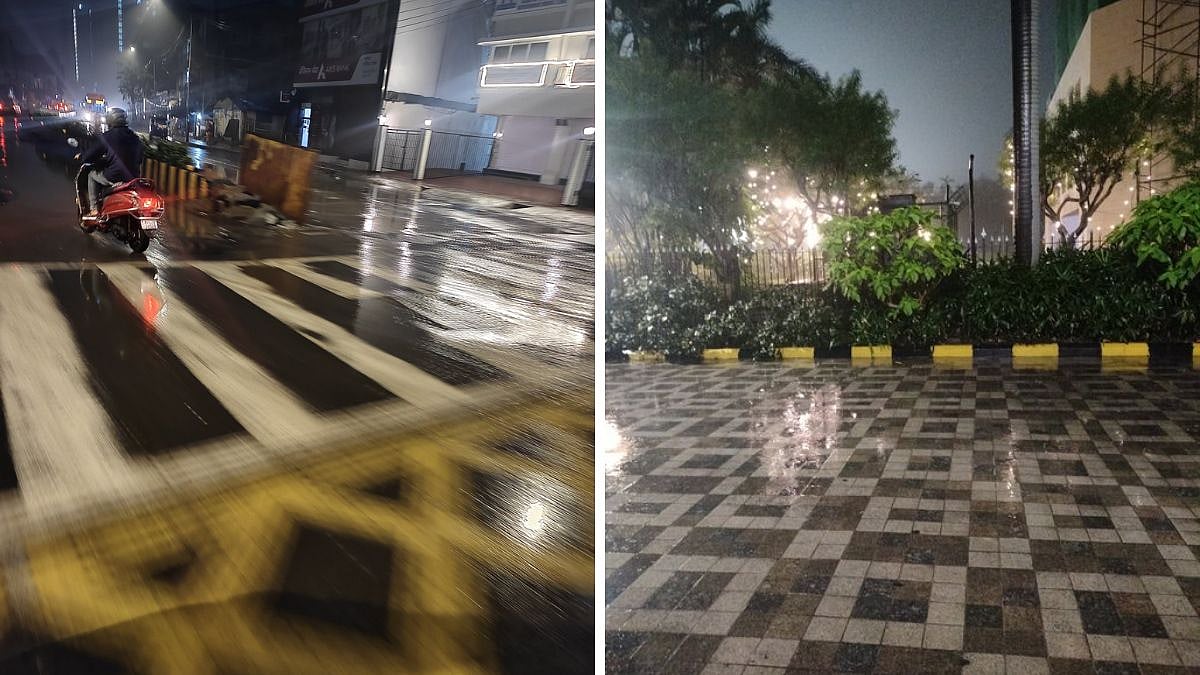
Mumbai: Mumbai ushered in the New Year 2026 with an unexpected spell of rain, as heavy showers lashed several parts of South Mumbai early on Thursday morning. Many areas in SoBo witnessed intense rainfall at dawn, while the suburbs experienced light to moderate showers. As the morning progressed, the rain gave way to clearer skies, gentle winds and reduced humidity, creating a pleasant, almost winter-like atmosphere that offered residents a welcome respite from the usual heat and pollution.
The India Meteorological Department (IMD) forecast a partly cloudy sky with haze for the day, predicting temperatures to range between 16°C and 29°C. The sudden rainfall played a crucial role in improving Mumbai’s air quality, which had deteriorated sharply in the preceding days.
AQI Improves, Yet Stays In Poor Range
According to air quality monitoring platform AQI.in, Mumbai’s overall Air Quality Index (AQI) was recorded at 115 during the early hours of Thursday, placing it in the ‘poor’ category. However, this marked a noticeable improvement compared to the previous day, when air quality levels across several parts of the city had plunged into the ‘severe’ to ‘hazardous’ range. Such high pollution levels are known to pose serious health risks, particularly for children, senior citizens and individuals with respiratory or heart-related conditions.


The spike in pollution is largely due to construction dust and fine particulate matter. Mumbai is currently witnessing extensive government-led infrastructure development, including metro rail corridors, flyovers, coastal road extensions and large-scale road widening projects. Alongside these, aggressive private real estate construction has significantly increased dust emissions. Vehicular exhaust, especially during peak traffic hours at major junctions, has further worsened air quality.
Details Of AQI Recorded Citywide
Several localities emerged as pollution hotspots despite the improvement. Chembur recorded an alarming AQI of 293, categorised as ‘unhealthy’, indicating conditions that could adversely affect even healthy individuals. Deonar and Worli followed with AQI levels of 157 and 153, respectively, both falling in the ‘poor’ category. Colaba registered an AQI of 143, while Malad, a key residential and commercial area, recorded 140.
In contrast, many suburban areas saw substantial improvement, with air quality moving into the ‘moderate’ range. Borivali West recorded an AQI of 65 and Charkop stood at 72. Kandivali East (75), Santacruz (77) and Govandi (78) also reported moderate air quality, offering some relief to residents.
As per standard classifications, AQI levels between 0–50 are considered ‘good’, 51–100 ‘moderate’, 101–200 ‘poor’, 201–300 ‘unhealthy’, and above 300 ‘severe’ or ‘hazardous’.
To get details on exclusive and budget-friendly property deals in Mumbai & surrounding regions, do visit: https://budgetproperties.in/