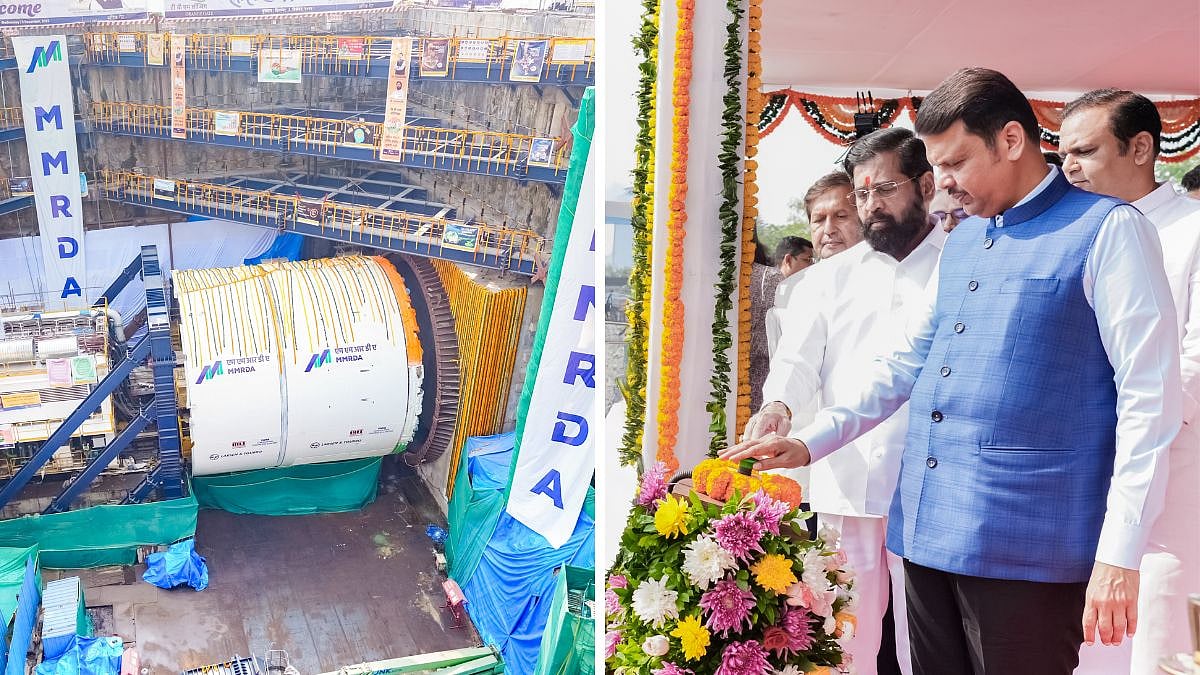
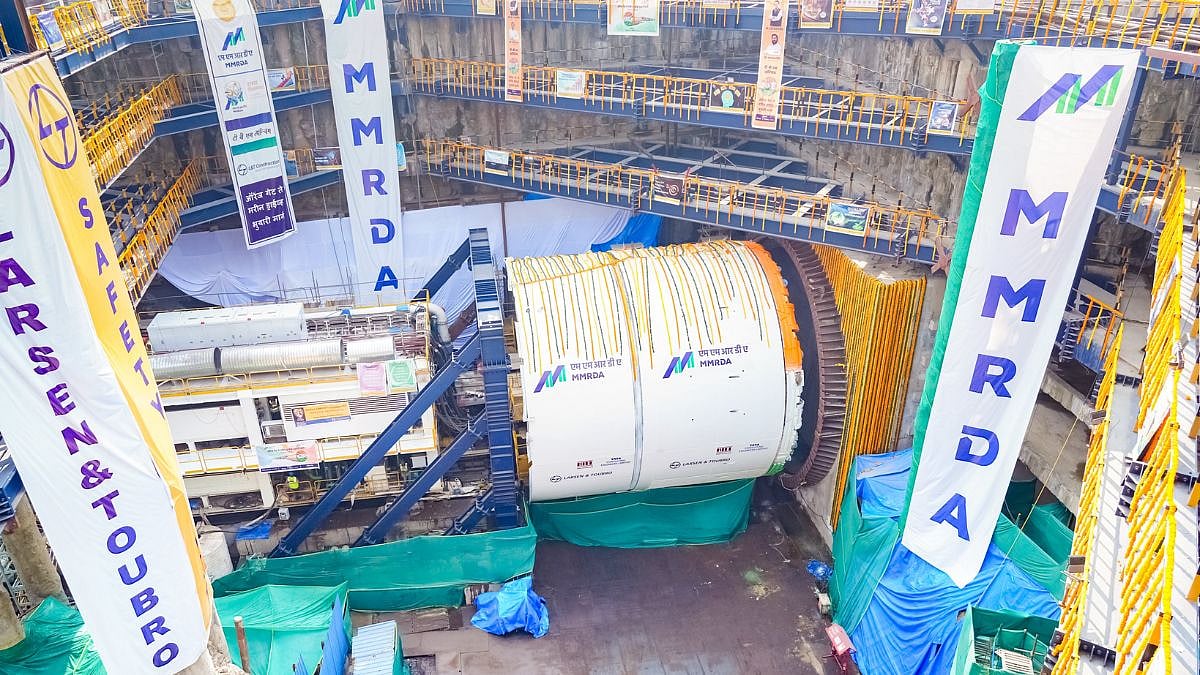
Mumbai: Less than just a week after Chief Minister Devendra Fadnavis launched the tunnel boring machine (TBM) for the ambitious Orange Gate–Marine Drive twin-tunnel project, the Mumbai Metropolitan Region Development Authority (MMRDA) is now preparing to alter the alignment of the tunnels. The move comes amid strong objections raised by Marine Drive residents, who fear the project in its current form will disturb the iconic heritage precinct and worsen traffic and air pollution during construction.
The original plan involves constructing two tunnels connecting Orange Gate, under the Mumbai Port Authority, to D Road near Churchgate, adjacent to Wankhede Stadium. However, according to a Hindustan Times report, the Marine Drive Citizens Association urged authorities to shift the alignment away from the Art Deco heritage stretch, citing concerns over structural safety, traffic diversions and long-term environmental impact.
A crucial meeting on December 5, attended by Maharashtra assembly speaker Rahul Narwekar, former councillor Harshita Narwekar, Marine Drive residents and senior MMRDA officials, examined multiple alternative routes. According to Harshita Narwekar, the preferred option, suggested by MMRDA, proposes shifting the tunnel entry and exit points to Jawahar Bal Bhavan near Charni Road station.
She said the location is 'safer and less intrusive,' as earlier plans had not adequately studied the structural implications on the heritage buildings. The earlier Opera House entry point, which residents termed impractical, will also be replaced under the new proposal.
Other alternatives discussed during the meeting included reclaiming land beyond the National Centre for Performing Arts (NCPA), locating the alignment outside NCPA, and positioning tunnel points near Oval Maidan.
Marine Drive residents told HT that the Narwekars’ intervention saved them from seeking legal recourse. Many feared the original plan would funnel major traffic from the eastern corridor directly onto Marine Drive, severely burdening the iconic promenade for years. While the revised alignment may still add congestion to the already busy stretch, residents believe it is a less disruptive option.
Revised Design To Help With Reduction In Project's Cost
Under the revised design, vehicles emerging from the tunnel at Charni Road would take a U-turn to enter the Mumbai Coastal Road. Traffic simulation studies have already been conducted, and the Mumbai Traffic Police have been asked to review all five alternatives. According to the report, an MMRDA official added that the realignment could potentially reduce project costs by nearly Rs 700 crore, though the Marine Drive promenade may need widening to accommodate the changes.
Formal approval for the new alignment is still pending and may require a few months. With the TBM currently progressing at a rate of 3–5 metres per day, MMRDA officials expect that adjustments can be made once the machine reaches closer to its next intended juncture near the Opera House.
The 9.96-km twin-tunnel project, slated for completion by December 2028, will eventually offer seamless, signal-free connectivity from Ulwe in Navi Mumbai to Mumbai’s western suburbs via the Atal Setu, twin tunnels and the Coastal Road.
To get details on exclusive and budget-friendly property deals in Mumbai & surrounding regions, do visit: https://budgetproperties.in/

