Mumbai, Dec 24: For decades, the final descent into Mumbai has followed a familiar pattern of a sweeping curve over the Arabian Sea, a glimpse of the glittering Bandra-Worli Sea Link, and a touchdown at Chhatrapati Shivaji Maharaj International Airport (CSMIA), which is the pulsing, land-locked heart of India’s commercial capital.
Christmas morning marks start of a new aviation era
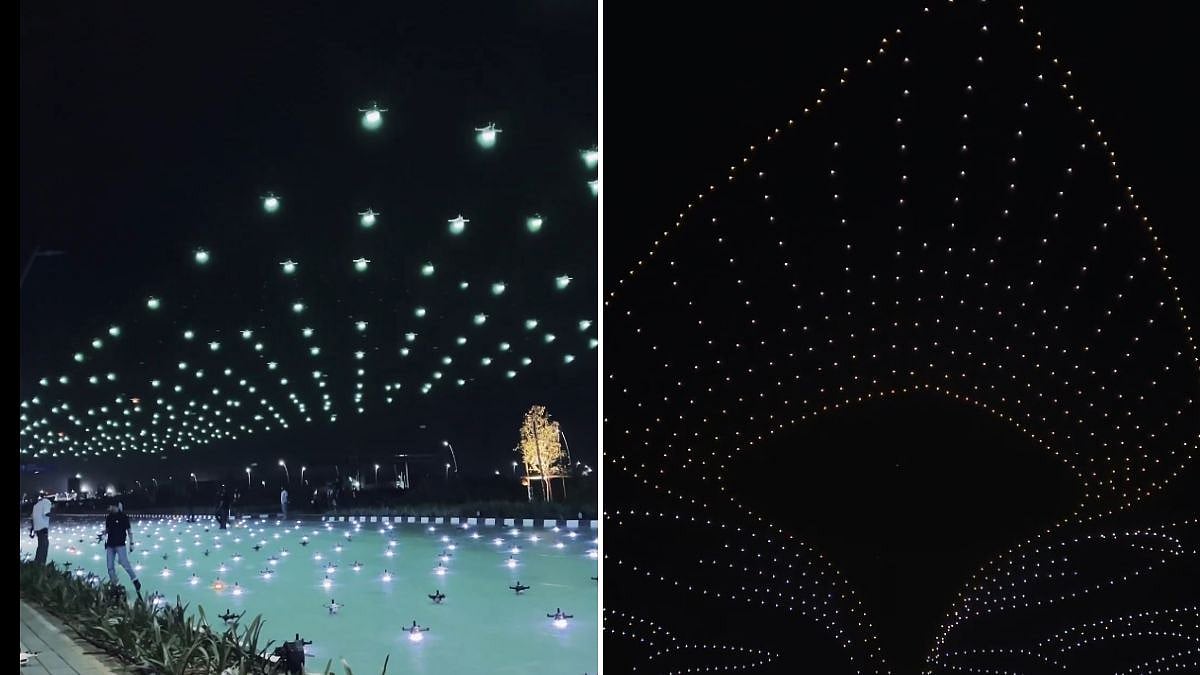
But as the clock strikes 8 in the morning on Christmas, the city enters a new era. Across the harbour, the lights of the Navi Mumbai International Airport (NMIA) are flickering on, marking the birth of a dual-airport system that promises to solve Mumbai’s oldest travel headache — the holding pattern. The new gateway is set to rewrite the rules of the Mumbai commute.
Lotus-inspired NMIA contrasts peacock-themed CSMIA
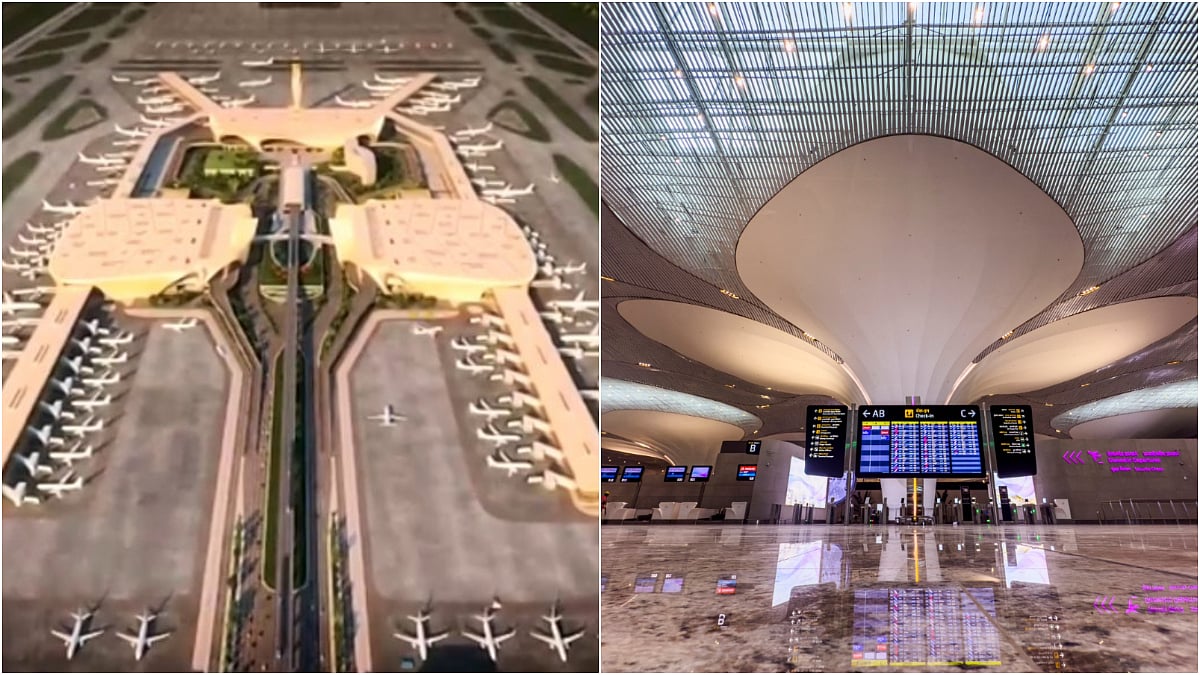
If CSMIA’s Terminal-2 is a love letter to India’s national bird, the Peacock, with its intricate white-gold ceilings and museum-grade art, Navi Mumbai is a tribute to the country’s national flower, the Lotus. Designed by London-based Zaha Hadid Architects, the airport ditches the vertical complexity of the old airport for a sleek, horizontal flow.
Airside experience offers a calmer visual escape
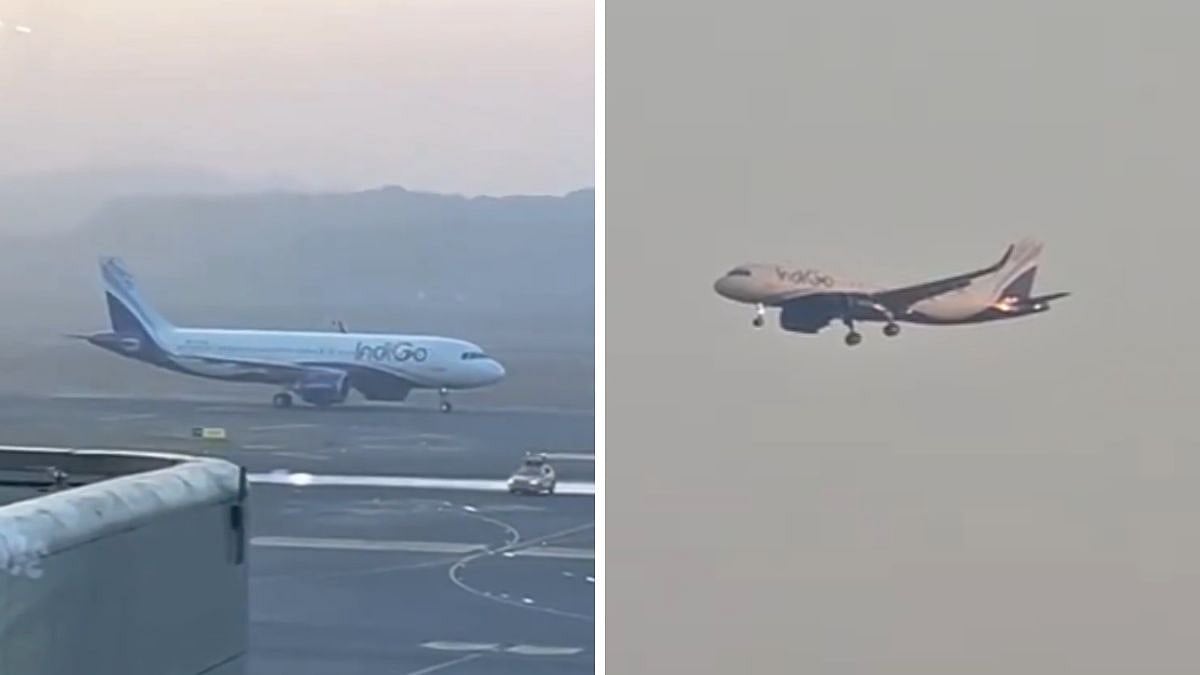
While CSMIA’s internal grandeur never stops putting regular passengers in awe, the view of congested slums in the background of the airside becomes detracting from the experience. However, NMIA is here with its European-style airside view, where passengers will witness the calming sight of rocky hills behind the bustling runway.
Designed for speed and intuitive movement
While CSMIA often feels like a sprawling, multi-level maze, NMIA is built for speed. Its layout minimises level changes, ensuring that from the moment you drop your bags, the walk to your gate is shorter and more intuitive.
Space and parallel runways change the flying experience
The biggest difference between the two is simple — elbow room. At 750 hectares, CSMIA is a masterclass in squeezing every inch of utility out of a small space, while NMIA is sprawling across 1,160 hectares, giving space to breathe.
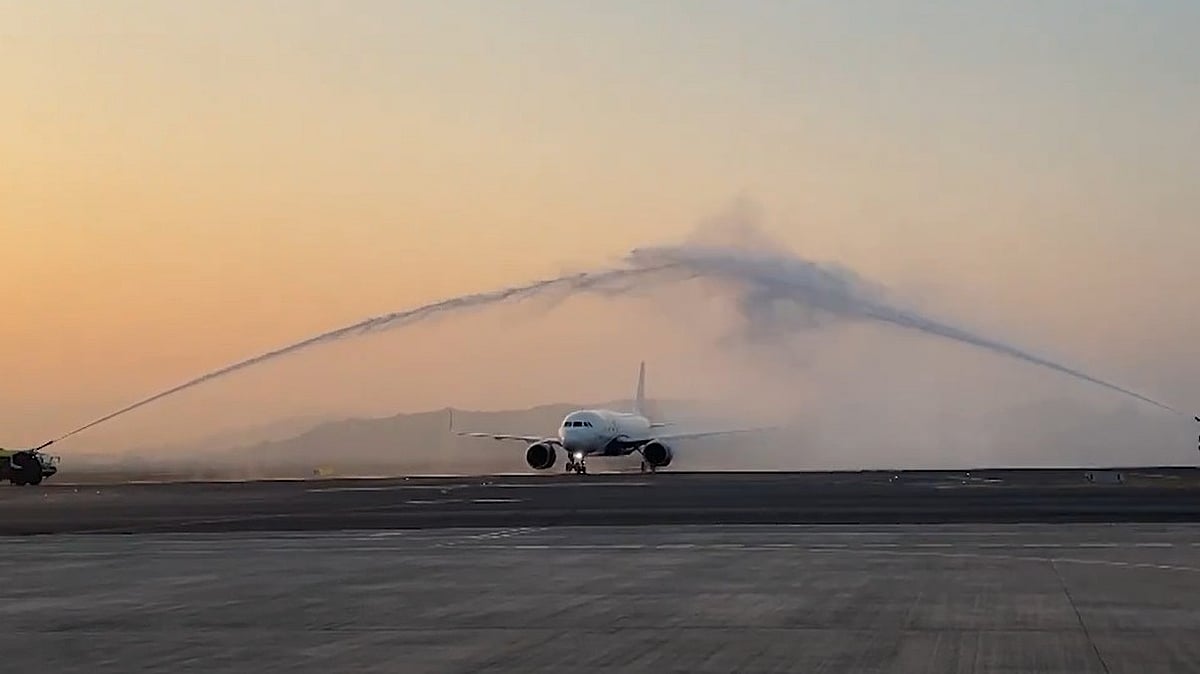
In the later stage, it will feature two parallel runways that can operate at the exact same time. For travellers, this means an end to the frustrating 20-minute hovering over the city while waiting for a landing slot.
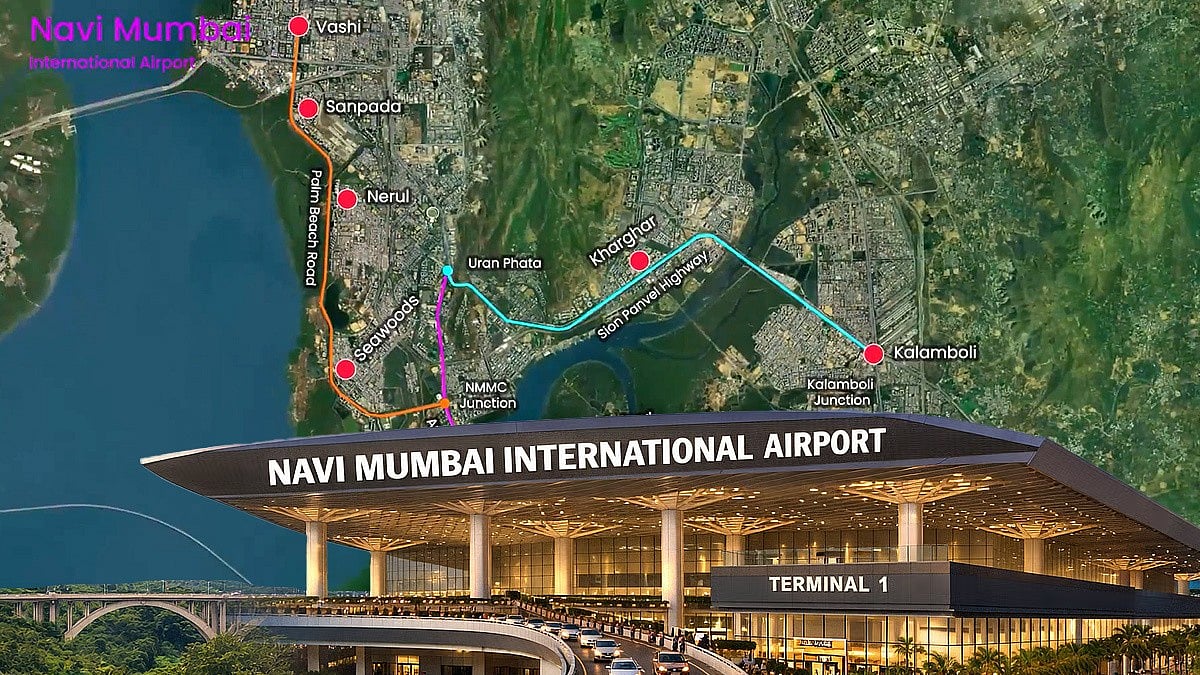
Atal Setu and water taxis redefine airport access
Perhaps the biggest Mumbai difference is how one reaches the new gateway. For years, the trek to the airport involved battling the never-ending traffic congestion on the Western Express Highway. The new airport, however, is turning to the water.
Atal Setu has effectively moved Navi Mumbai closer to the city centre by reducing the two-hour odyssey to a 35-minute drive from Sewri. The aspirational plan to operate high-speed water taxis will act as another reason, once operational, for leisure travellers to choose NMIA.
Higher fees but fewer delays for flyers
However, innovation comes at a price. Flyers are already experiencing the burn of increased airfares at NMIA, which result from a hike in the user development fee, which is set at Rs 620, in comparison to Rs 175 at CSMIA. However, high-end travellers will not mind paying an extra few hundreds to avoid a two-hour delay on the tarmac.
Also Watch:
Two airports, one breathing aviation ecosystem
In the new era of Mumbai’s aviation history, the two airports will not just compete but will breathe together. As CSMIA focuses on premium, legacy carriers, NMIA is poised to become the new hub for the next generation of Indian aviation expansion.
To get details on exclusive and budget-friendly property deals in Mumbai & surrounding regions, do visit: https://budgetproperties.in/

