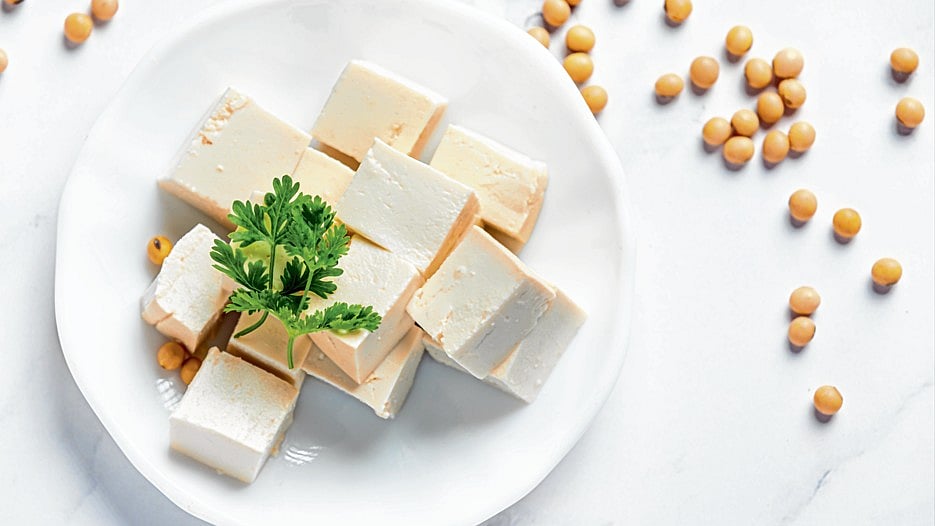
In the gourmet gallery, tofu is reckoned as a star performer. But what is it after all? Only a soft, pale white block of mashed soyabeans or is there more to the story? Employed as a hero ingredient in Asian and vegetarian recipes, tofu is high in protein with a subtle flavour and is derived from the seed of the soya plant.
Much-touted tofu
Notably, tofu is increasingly becoming a key component in healthy cooking. “I think it is gaining prominence because of its adaptability, ability to absorb flavours and its effectiveness as a meat substitute,” shares ace nutritionist Aayrin Memon from Bhailal Amin General Hospital, Vadodara.
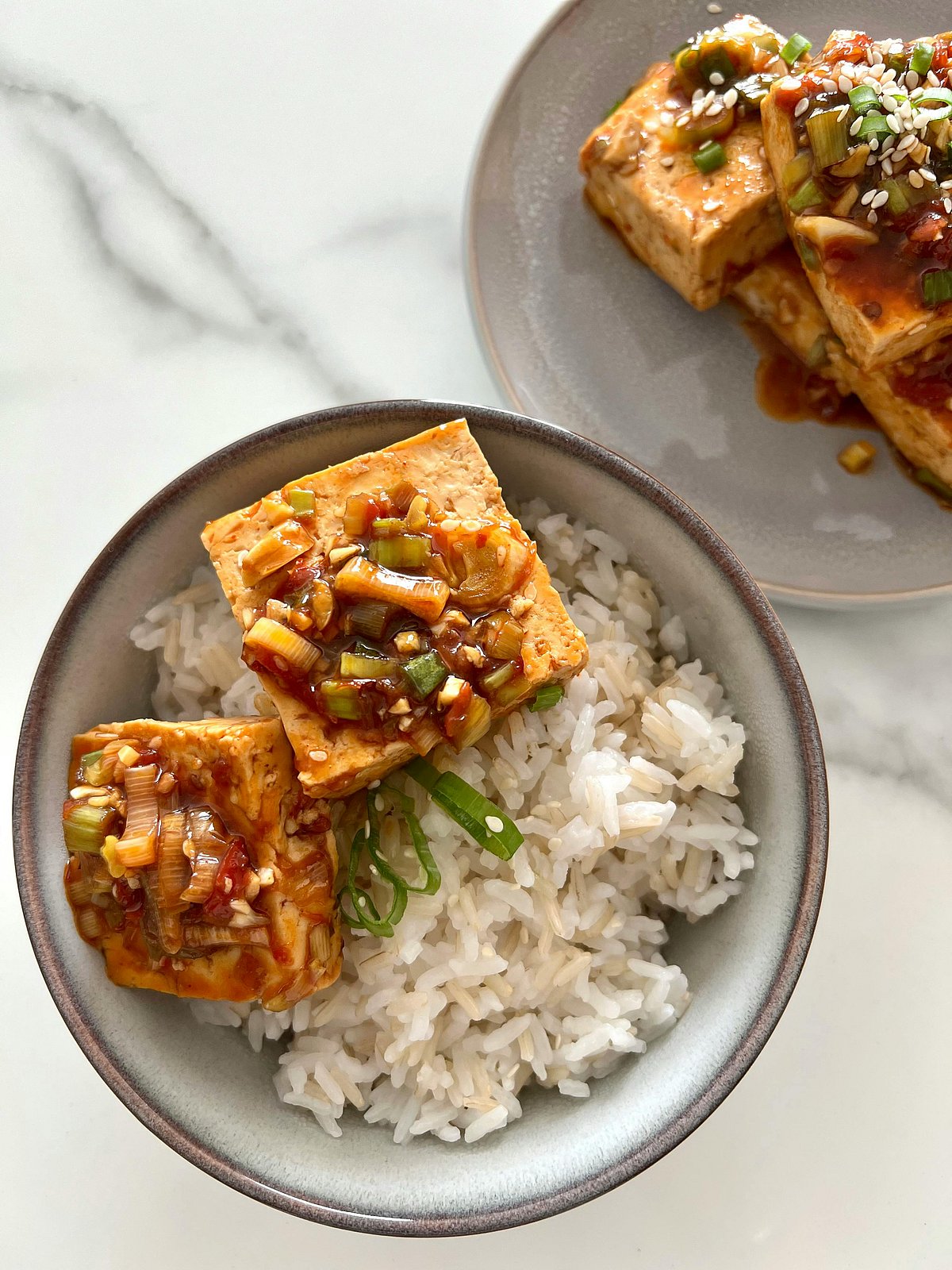
“In Asian cuisine, it aligns seamlessly with traditional dishes, namely mapo tofu (Sichuan Chinese dish), where it replaces pork while retaining a meaty texture, and agedashi tofu (Japanese dish), in which crisp fried tofu is served in a light dashi broth. In Indian and fusion vegetarian culinary delights, dishes like tofu tikka masala demonstrate how tofu can replicate the richness and mouthfeel of paneer or meat, making it ideal for plant-based diets,” she further explains.
Dietician Kanikka Malhotra affirms: “Tofu’s rising fame can be attributed to its neutral taste, capacity to suck up spices and its status as a complete plant protein amid the surge of veganism and sustainability demands.”
Palatable edibles include tofu bhurji (spicy crumbled scramble like anda bhurji, perfect with roti), tofu tikka masala (marinated cubes in creamy gravy) and vegetarian pho (replacing beef).
Tofu’s popularity also largely lies in “affordability, wide availability, ease in preparing delicacies and its ‘neatly fitting’ position in veggie meals and vegan diets,” claims functional nutritionist Mugdha Pradhan, CEO and founder of iThrive, a Pune-based health and wellness platform.
“In many Asian menus, tofu works well because it is suitable for stir-fries, miso soup, mapo-style items and curries,” she informs.
However, she cautions that tofu’s hype is often much dictated by “convenience and the global craze surrounding cruelty-free, plant-based trends than by its nutritional superiority. Many individuals in fact — especially in the Indian context — digest and utilise animal proteins, dairy products or fermented foods far more efficiently than the unfermented soy.”
Nutrient-dense
Tofu is considered a superfood owing to a plethora of nutritious elements that it contains.
Tofu earns superfood sobriquet as a nutrient-dense powerhouse delivering 10-20g protein per 100g, plus comprising all nine essential amino acids (quite rare in plant foods), iron, calcium, magnesium and isoflavones for antioxidant protection.
“First and foremost, it is a complete protein. It is loaded with nutrition despite being low in calories. Tofu provides B vitamins among other elements and supplements, all of which contribute to overall human health, thus making it comparable to animal-based protein sources on nutritional scales,” comments Memon.
Boon to health
There are several health benefits of consuming tofu.
Regular consumption of tofu supports heart health by helping reduce LDL cholesterol and high blood pressure. It aids blood sugar control, promotes satiety and weight management, builds bone health and offers antioxidant gains that may decrease cancer risks. Its robust nutrient profile also backs muscle repair, gut health and hormonal balance.
“Systematic tofu intake slashes LDL cholesterol (low-density lipoprotein, a high proportion of which is linked to hazards of coronary heart disease) via isoflavones, bolsters bone density with calcium and phytoestrogens, regulates diabetes through low glycaemic index and fights inflammation with full protein sans saturated fats,” reports Malhotra.
Plant-based wonder
Tofu’s goodness lies in its plant-based protein disposition originating from soyabeans. Can it then be a great alternative food source to non-veg (animal) proteins like meat and fish?
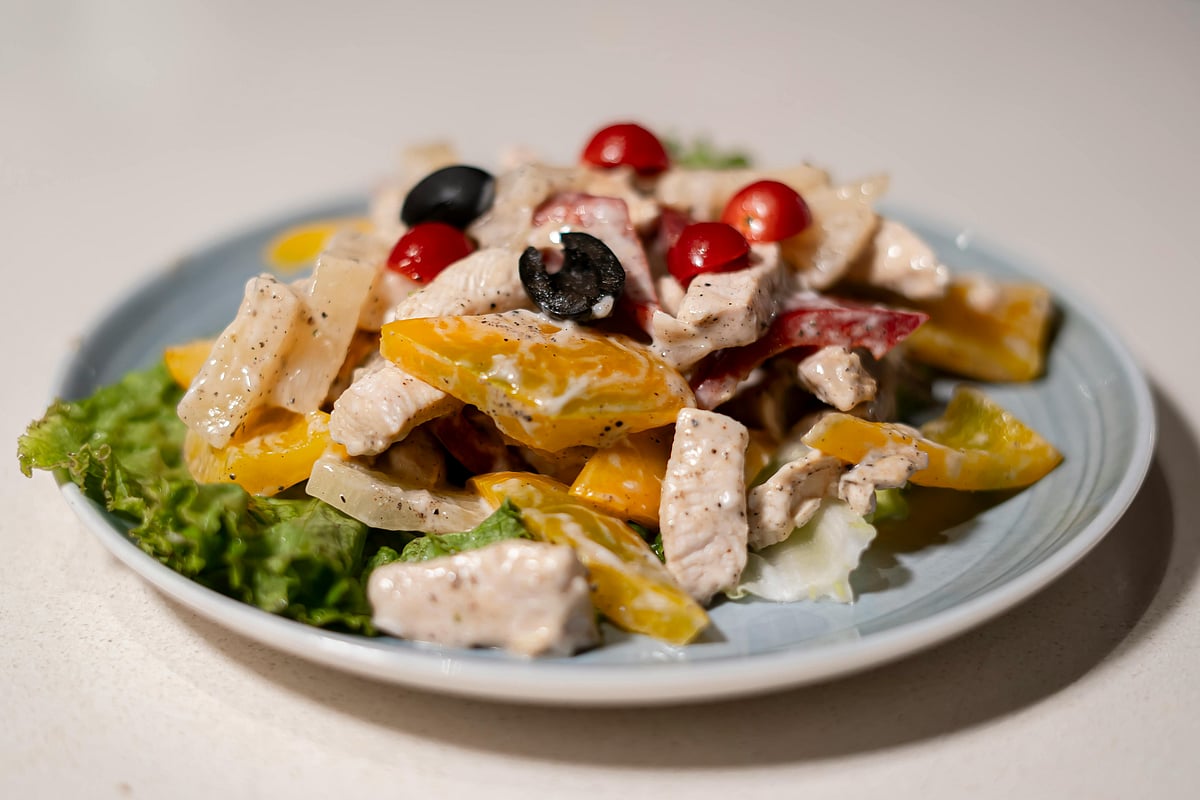
“Absolutely! Tofu’s magic springs from soybeans yielding a lean, complete protein (18g/100g), thus rivalling chicken or fish in amino acids but with zero cholesterol. It consists of 60-70% less fat and extra plant compounds for excellent metabolic benefits,” inputs Malhotra.
Can tofu really replace meat and fish then? “Yes, tofu’s major strength lies in it being a soy-based, plant-derived protein that is cholesterol-free, eco-friendly and highly bioavailable. Nutritionally, it matches meat and fish by providing equivalent protein for muscle building — without saturated fats — thereby making it a plentiful, effective substitute for non-vegetarian protein sources,” enlightens Memon.
Weight trimmer
Tofu is a deft manager of weight issues owing to its low-calorie and high-protein profile.
“This is responsible in curbing hunger and augmenting satiety, resulting in weight shrinkage. Its protein content helps maintain metabolism while preventing overeating. The calorific value is approximately 70-80 kcal per 100 grams of firm tofu,” apprises Memon.
Reining in sweetness
Tofu has the power to impact and control blood sugar levels.
“It has a very impressive glycaemic index (GI) because it measures minimal carbohydrates and is primarily composed of fat as well as protein. This means it doesn’t cause an immediate spike in the glucose levels,” avers Pradhan.
“That said, blood sugar control is truly not determined by GI alone. Insulin sensitivity, gut health, inflammation and hormonal balance — all play critical roles,” she reminds ahead. “In people with insulin resistance, metabolic dysfunction or compromised gut health, soy-based foods may interfere with insulin signalling over time,” she warns. “In such circumstances, proteins such as fish, eggs, lean meat or even paneer paired with fats often prove to be more congenial to long-term glucose stability than tofu,” she assures.
Memon infers that “tofu with a tepid glycaemic index of around 15 induces negligible spurts in blood sugar levels. Its soluble fibre and isoflavones help balance glucose levels, making it particularly beneficial for people with diabetes or insulin resistance.”
Curbs cancer?
It is said that tofu condenses cancer risks and certain types of cancers can be prevented with regular intake of tofu in daily meals.
“Soy consists of isoflavones, plant compounds that can mimic estrogen hormone in the body. Some research recommends that moderate soy intake may provide a protective barrier against hormone-related cancers, such as breast as well as prostate cancer,” reveals Pradhan.
However, context is everything. In individuals with dominance of estrogen, thyroid dysfunction, PCOS (Polycystic Ovary Syndrome) or in fact any other hormone-sensitive conditions, excessive soy intake might actually worsen hormonal imbalance rather than diminishing the disease risk.
“See, cancer prevention is multifactorial and it truly depends far more on overall metabolic health, gut integrity, intake of omega-3 (fatty acids crucial for heart, brain, and eye health), inflammation control, adequate amount of protein and micronutrient sufficiency rather than resorting to soy products or tofu alone,” she insists.
Significantly, the content of isoflavones acts as antioxidants and helps deter cancer cell growth. Ongoing studies and researches connect regular tofu and soy intake — especially in Asian entrée — with a curtailed risk of colorectal cancer besides others.
Tofu Talk
Constituents of tofu’s nutritional profile:
Fat Content: Naturally low in fat and free from saturated fats and cholesterol. Per 100g of tofu contains 4-5g of fat. It mostly has heart-friendly unsaturated fats, dwarfing fatty meats by pruning 70% saturated fat for cleaner energy
Protein Content: Tofu is equal to complete protein. Per 100 gm of tofu comprises almost 10-20 gm of protein (firm varieties hit as much as 17g), matching eggs or fish with all essential elements for repair and satiety.
Calcium content: Up to 350 mg of calcium per 100 grams of tofu (in calcium-set firm tofu), resembling dairy products for calcium density minus lactose baggage.

All-Rounder
Another feather in tofu’s cap is its versatile profile. It is suitable for making stir-fries, smoothies and soups.
“Tofu’s chameleon-like mutability shines across textures. For instance, the silken variety blends seamlessly into smoothies for creaminess (e.g., berry-tofu protein shake), the firm tofu excels in stir-fries (e.g., ginger-garlic tofu with veggies) and the extra-firm holds up in soups like the Thai Tom Yum soup. This flexibility makes it a protagonist in diverse diets,” volunteers Malhotra.
Tofu’s hint of neutrality and a range of textures make it a multipurpose agent. Firm tofu works well in stir-fries like tofu pad Thai and cubed tofu fits perfectly into soups, such as miso soup. It readily absorbs spices and sauces, embracing both delicious and mild preparations.
“From a culinary perspective, tofu is an all-round player because of its potential to incorporate an eclectic mix of cooking styles. It can be sautéed, grilled, mingled and also added to soups as an energiser,” renders Pradhan.

