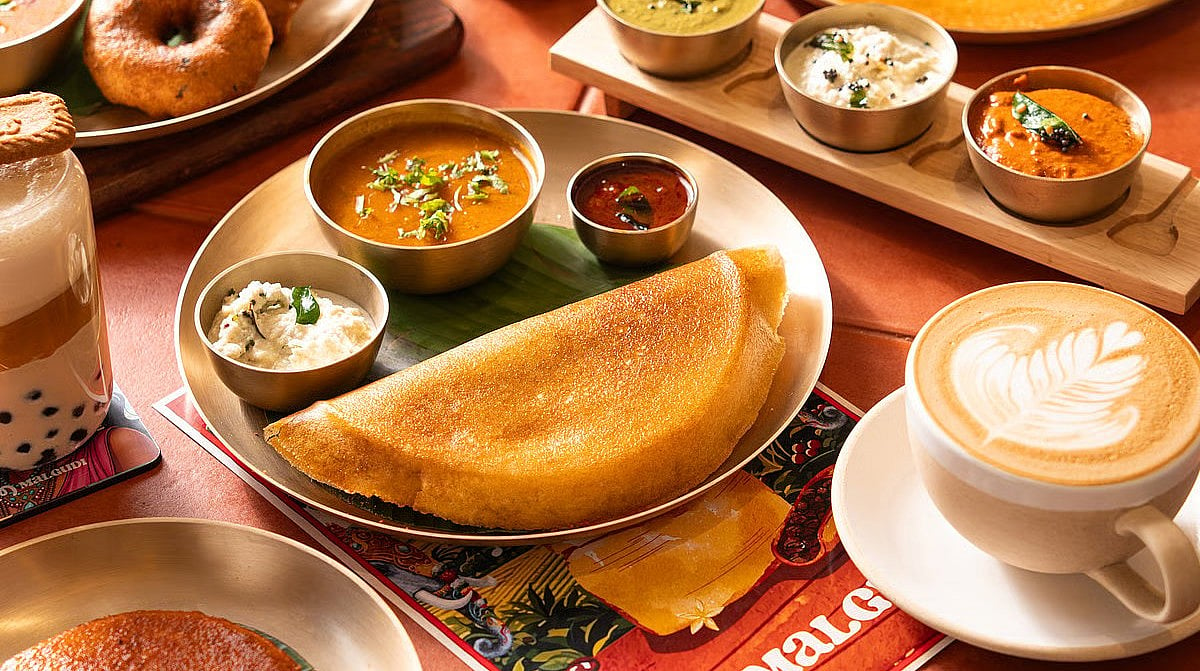
Not too long ago, Mumbai's South Indian food scene largely revolved around its beloved Udupi restaurants, iconic Matunga eateries, and neighbourhood dosa joints. But over the last few months, a new wave has quietly and very successfully entered the city's food landscape. With Bengaluru's cult-favourite The Rameshwaram Cafe opening in Churchgate and the buzz around Bengaluru-based café chain Conçu, Mumbai seems to be falling head over heels for Karnataka's food culture.
And it is not just about crispy dosas or filter coffee anymore. What Mumbai is embracing is an entire lifestyle, one built around quick breakfasts, standing cafés, comforting tiffin meals, and community-driven dining experiences.
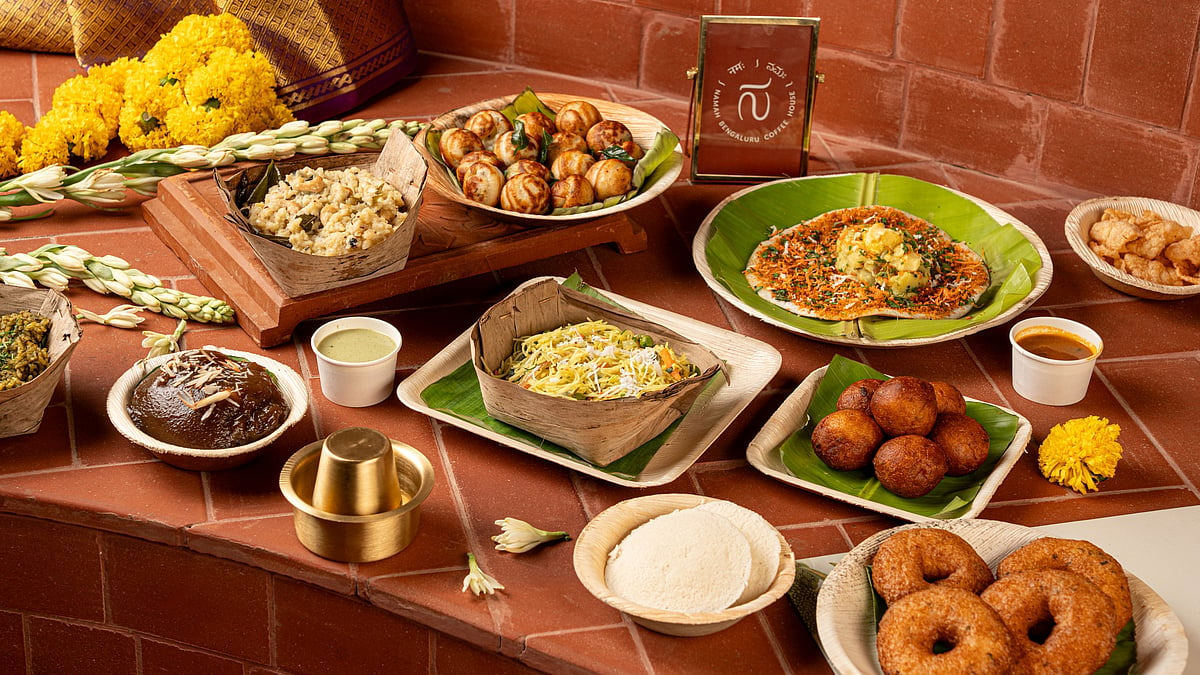
More than a trend, it's a food movement
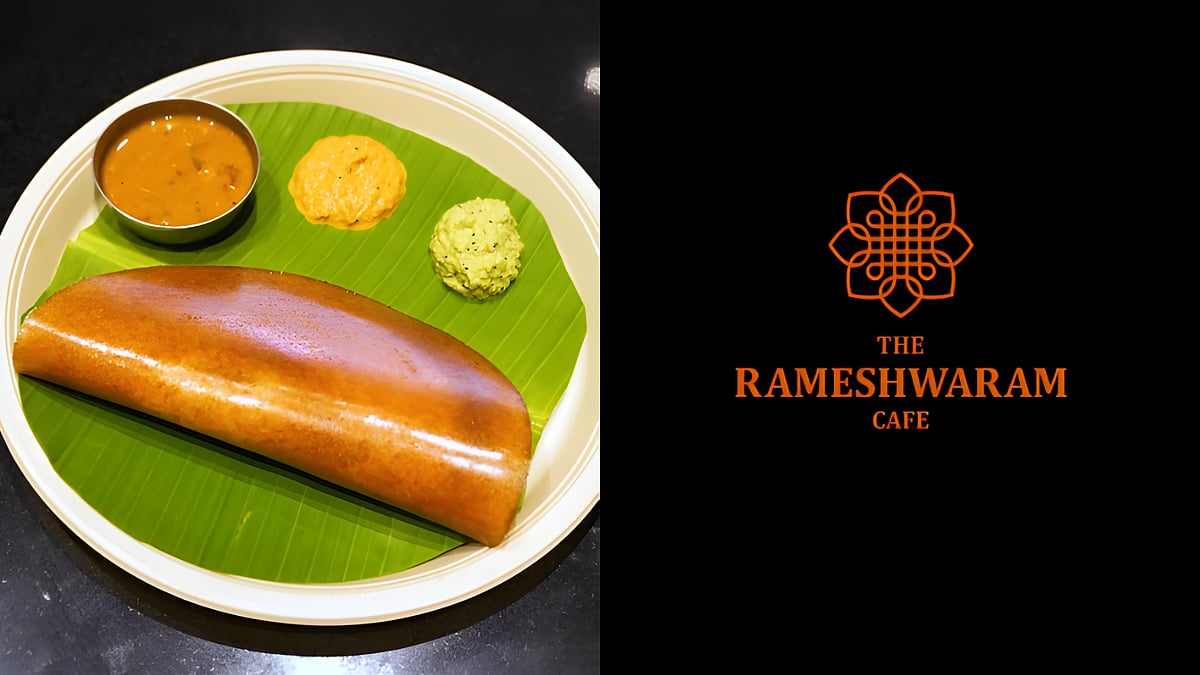
For Raghavendra Rao, founder of The Rameshwaram Cafe, the growing love for Bengaluru-style eateries reflects a larger shift in how South Indian cuisine is viewed today."It is truly a privilege for South Indian food," he says. "The way South Indian food was perceived earlier and the way it is regarded now has completely changed. It has become a premium food choice for every Mumbaikar."
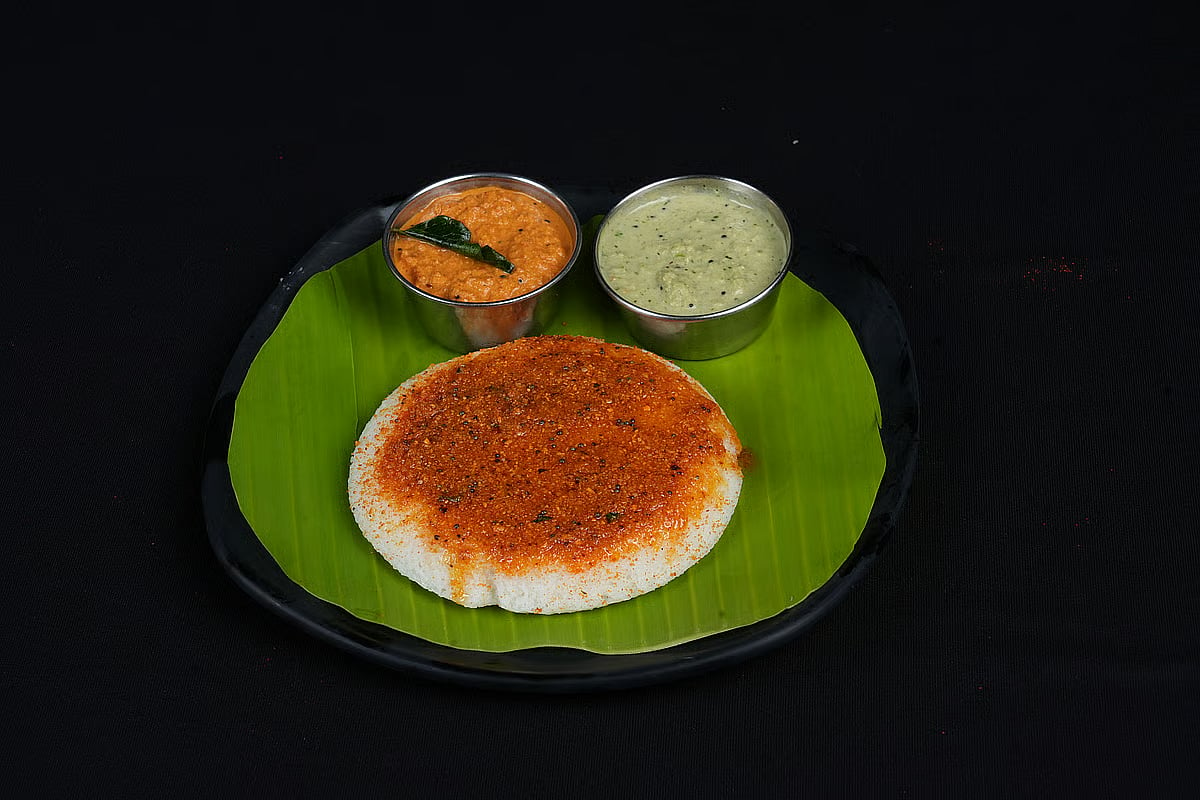
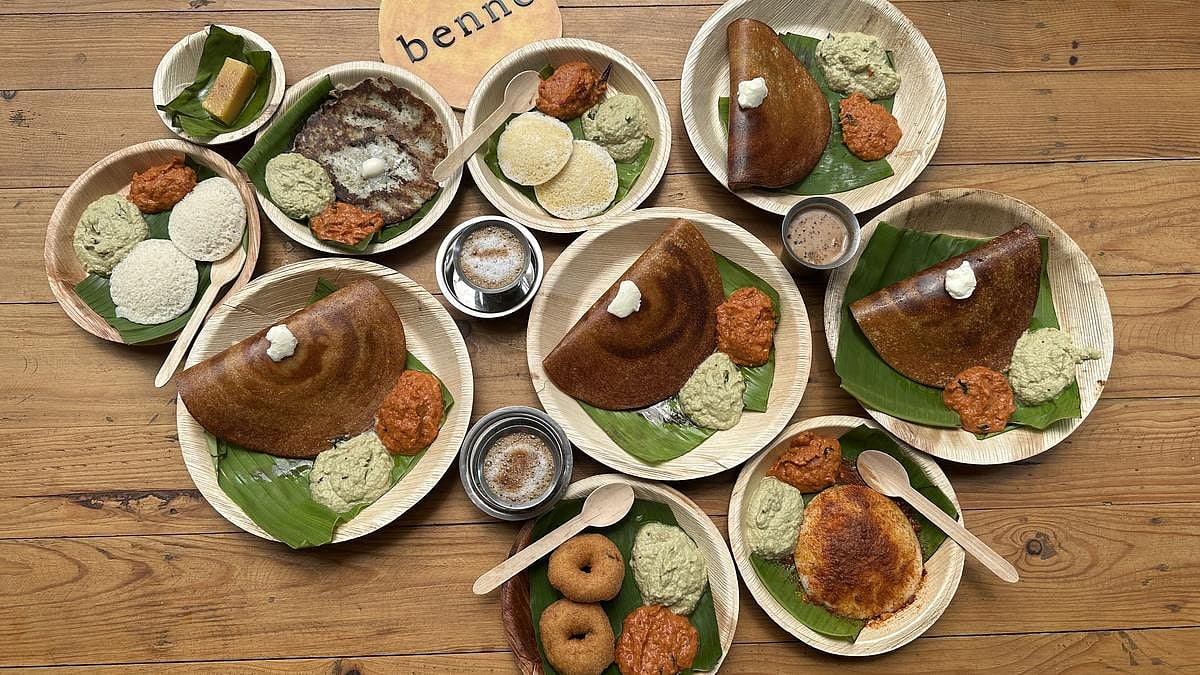
Similarly, Benne's co-founder Akhil Iyer believes Mumbai was simply waiting for authentic Bengaluru-style flavours. "Being from Bangalore myself, I always wondered why Mumbai didn't have Bangalore-style dosa," he says. "That's exactly why we opened Benne. I missed that food growing up. I think it's high time this cuisine found its place in Mumbai's culinary landscape."
Swati Upadhyay, co-founder of Conçu, believes Bengaluru's food brands have found success far beyond their home city because they cater perfectly to modern lifestyles. "They've built a cult following not just in Mumbai but across cities like Delhi and Hyderabad too because the format solves for modern urban life," she says.
"Bengaluru cafés mastered the art of food that is quick, comforting and affordable. A meal at a Bangalore café is one you can return to repeatedly, any time of the day — breakfast before work, a late lunch, coffee meetings, even dinner. That everyday accessibility, combined with strong identity and consistency, is what makes these brands travel so well across cities."
Why Mumbai is the perfect audience
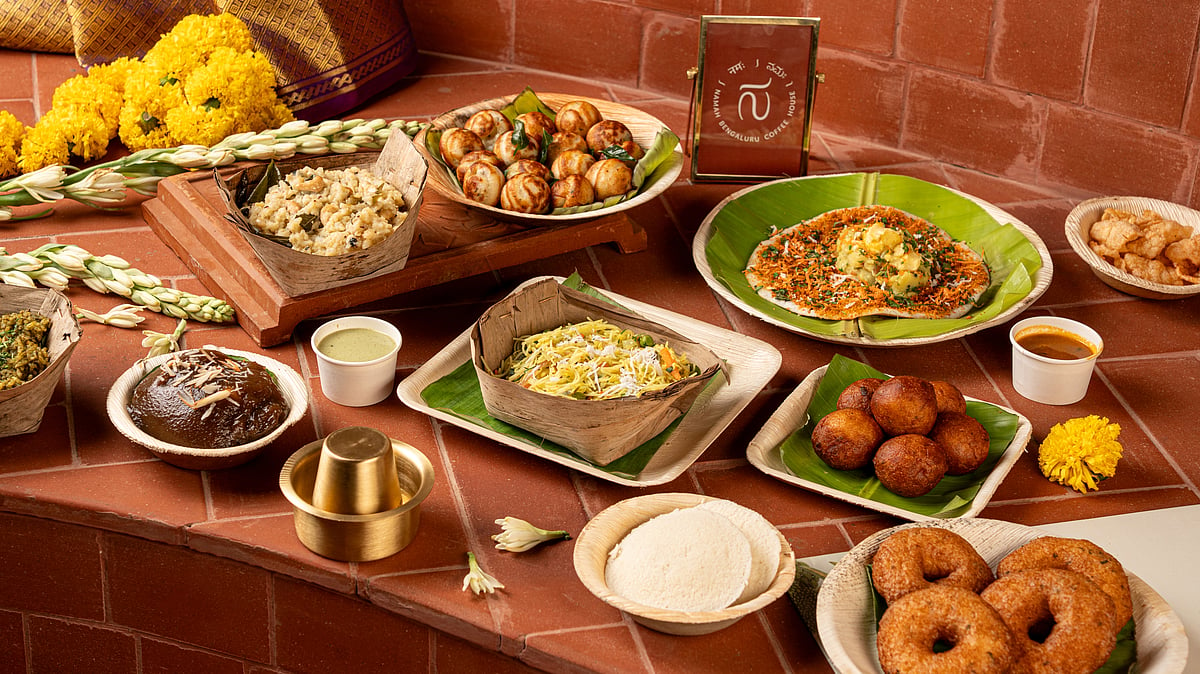
If there is one city in India that loves eating out, restaurant founders agree it is Mumbai. According to Pallavi Shetty, co-founder of Namah – Bengaluru Coffee House, the city's appetite for new food experiences makes it uniquely suited for Bengaluru-origin brands. "Mumbai has the strongest audience," she says. "People here love food and they love going out. Whether it's breakfast, lunch, dinner, birthdays or celebrations, they just need an excuse to step out."
Unlike Bengaluru, where many households already enjoy traditional dosas, idlis and filter coffee regularly at home, Mumbai offers something different. "When Bengaluru food comes to Mumbai, it feels special and authentic," Shetty explains. "Mumbai is cosmopolitan. People are open to trying new concepts, and that's why these restaurants are finding such a strong audience."
Swati believes social media has also played a major role in helping Bengaluru's café culture cross state borders. "The timing feels less accidental and more like a cultural spillover that was inevitable," she says.
"The internet has collapsed geography. Social media turned very local subcultures into national aspirations almost overnight. Suddenly, a neighbourhood café in Bengaluru, a cult dosa spot or a bakery with a loyal following began influencing how people in Mumbai, Delhi or Hyderabad wanted to eat and socialise," she added.
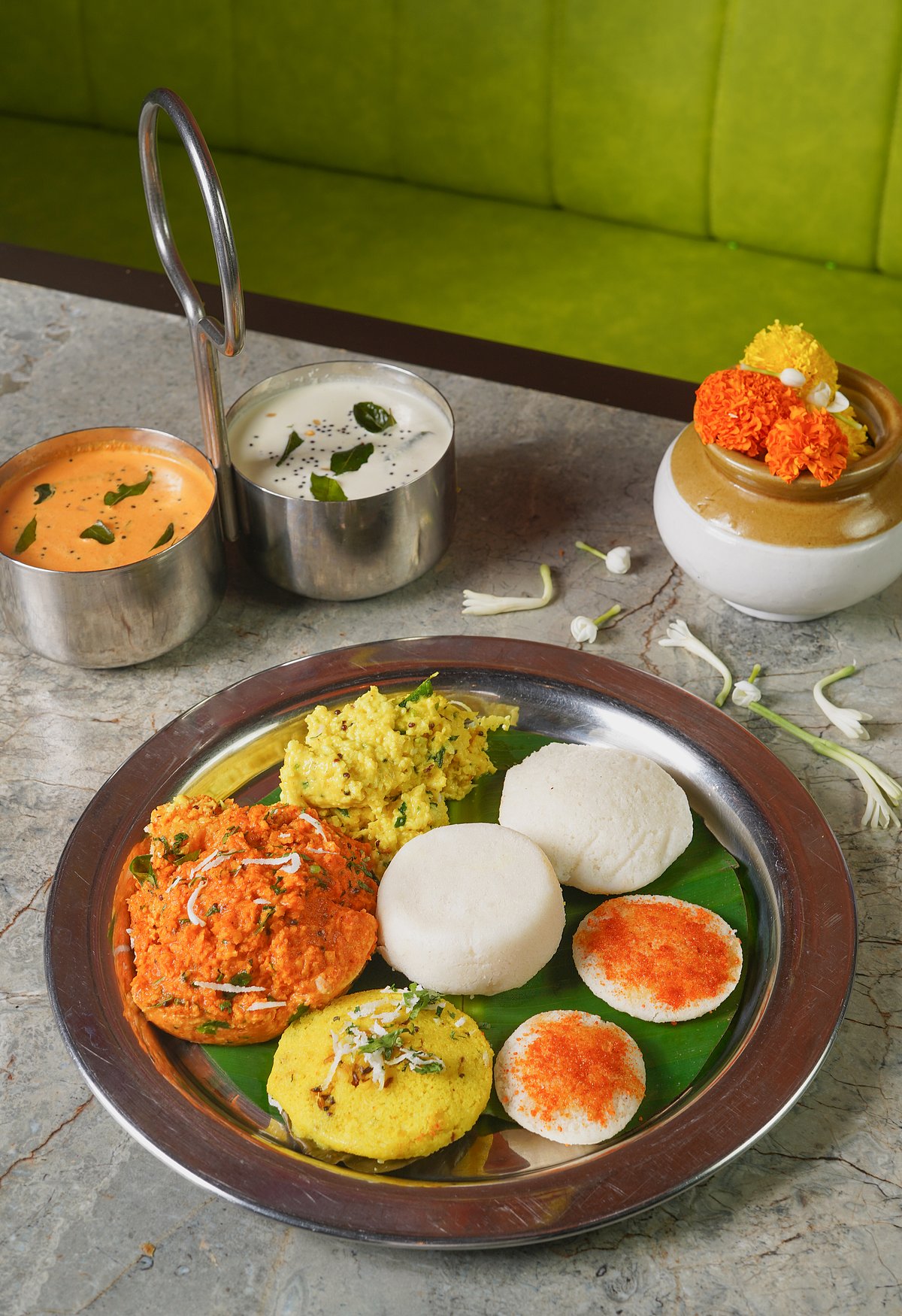
Darshini culture finds a new home
One of the most fascinating aspects of Bengaluru's food culture is the concept of the darshini, a fast-paced neighbourhood eatery where customers often stand, eat quickly, and move on.
For Akhil Iyer, bringing that culture to Mumbai was just as important as bringing the food. "The culture aspect that I loved growing up in Bangalore was standing and eating at my favourite darshini," he says. "We designed Benne to reflect those childhood experiences."
Surprisingly, the concept fits naturally into Mumbai's rhythm. "I think Mumbai also has a very strong eat-on-the-go culture," Iyer explains. "Whether it's vada pav, sandwiches or street food, people value speed and convenience. Bengaluru's tiffin culture fits perfectly into that DNA."
Post-Covid dining has changed everything
Restaurant owners also believe the post-pandemic shift in consumer behaviour has played a major role in the boom. For Pallavi Shetty, the hospitality industry witnessed a dramatic transformation after Covid-19. "People suddenly realised they wanted to enjoy life more," she says. "After 2021, people started going out more than ever before. Cafés, restaurants and fresh concepts began emerging everywhere."
That change created the perfect environment for regional food brands to expand beyond their home cities. "The F&B industry started booming in a beautiful way," Shetty adds. "Many new concepts came up, and customers became more willing to explore."
Meanwhile, Raghavendra Rao reveals that Mumbai was always part of The Rameshwaram Cafe's long-term vision. "This has been a 10-year-old dream that has finally been fulfilled," he says. "We were waiting for the right moment, the right place and the right people to associate with. We had been preparing for this."
Bengaluru vs Mumbai: Different cities, same love for good food
While the two cities have distinct personalities, founders believe customers ultimately want the same thing, authenticity.
Raghavendra Rao says the transition from Bengaluru to Mumbai was surprisingly smooth. "To be honest, we did not find much difficulty at all," he says. "Mumbai feels just like another outlet to us. What matters most is that Mumbaikars respect South Indian food and its culture exactly as it is."
Akhil Iyer echoes that sentiment. "People are looking for an authentic experience," he says. "They're looking for food made with care and love. We try to keep things simple and do them well."
For Pallavi Shetty, however, one major difference remains scale. "Mumbai's food market is massive," she says. "People go out to eat constantly. The potential here is enormous because so many cultures live together and embrace different cuisines."
Swati Upadhyay agrees that Mumbai presents a very different challenge compared to Bengaluru. "Mumbai operates at a much faster commercial pace," she says. "Footfalls are higher, real estate pressure is intense and customers expect consistency immediately. Mumbai diners are also extremely aware of trends and formats, which pushes brands to stay sharper operationally and creatively."
As Mumbai continues welcoming brands like The Rameshwaram Cafe, Namah, Conçu and Benne, one thing is becoming increasingly clear: this isn't a passing food trend.
The city isn't simply eating Bengaluru's food; it's embracing its culture, one plate of benne dosa, one cup of filter coffee, and one neighbourhood café at a time.

