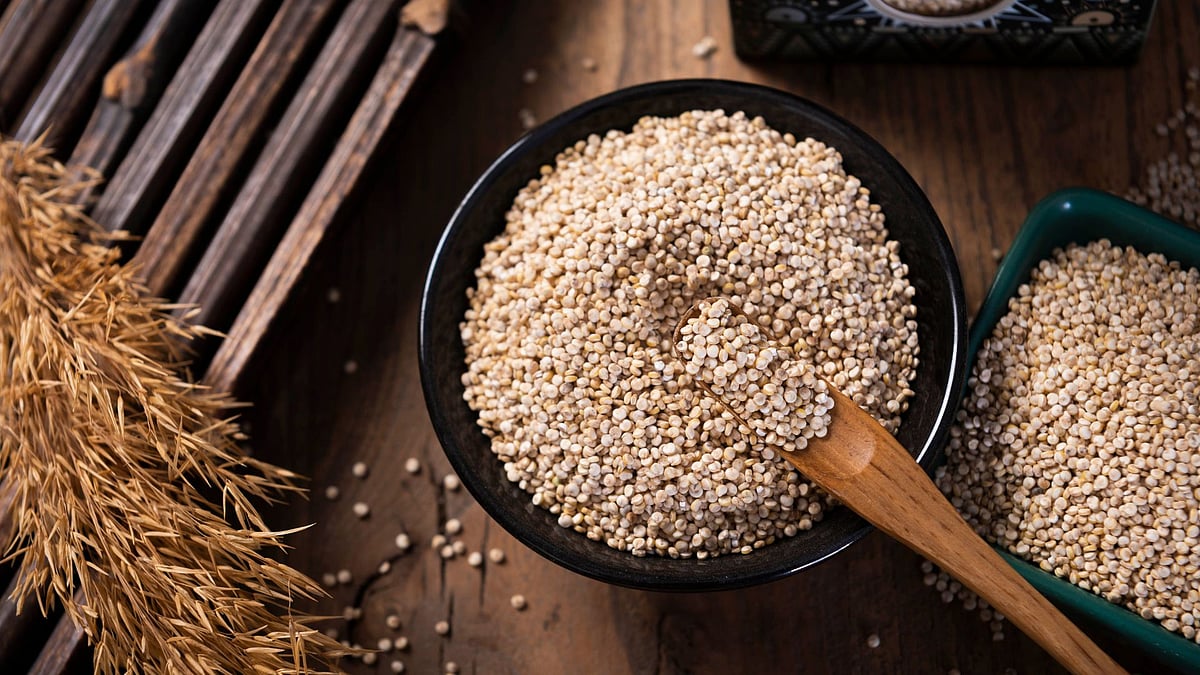
For many Indians, Dalia is a common staple for breakfast, especially during winter. Made from roughly crushed or cracked wheat, Dalia is a powerhouse of nutrients like iron, magnesium, carbohydrates, protein, calcium, potassium, sodium, vitamins and a little fat.
This grain can be cooked in savoury and sweet forms and are suitable for all. A well-known Indian Dalia dish is Lapsi, a dessert made from Dalia, ghee, jaggery, and cardamom. You can also make Kheer with Dalia. It is also used to make Upma and as a substitute for rice in several dishes.
However, since it contains gluten, it is advisable that people with low gluten tolerance, celiac disease, and irritable bowel syndrome avoid it and opt for Quinoa instead.
Dalia benefits
Digestion management: Come winter, and digestion troubles arise. To keep your digestive track in good health, it is crucial to include gut-healthy food. Dalia is a good choice for those who suffering from digestion issues and constipation as it is high on fibre. Its fibrous husk keeps constipation away.
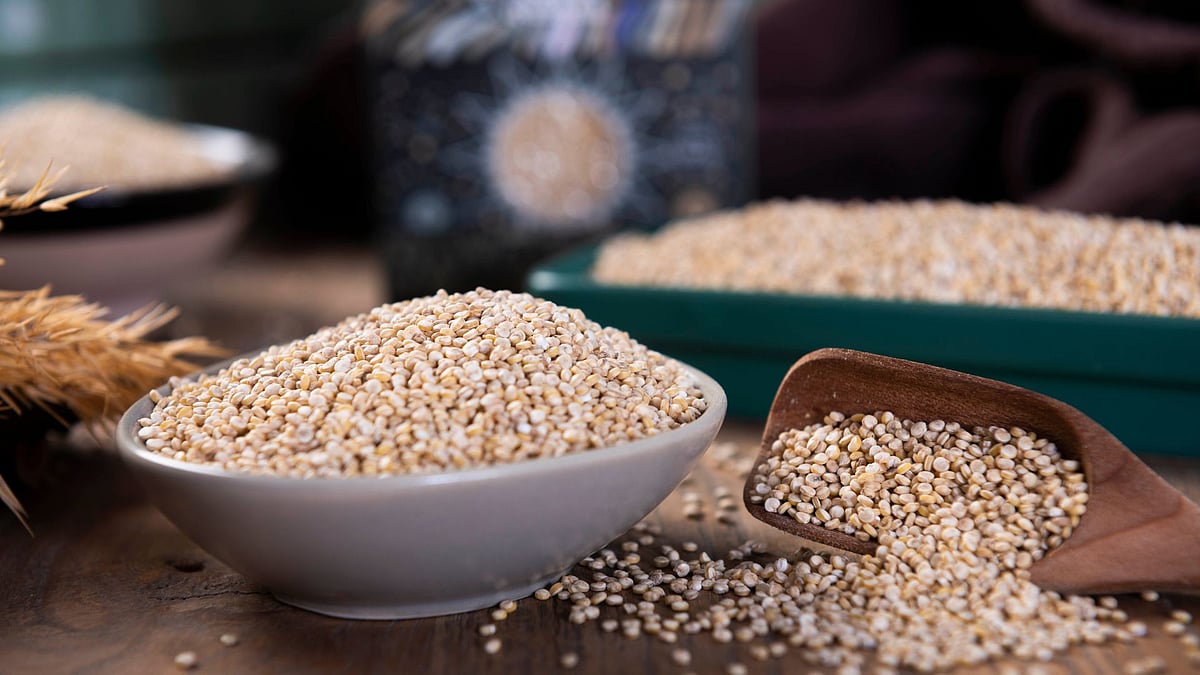
Diabetes control: Include Dalia in your diet since it has a low glycemic index and carbs that slowly release sugar in your blood. Eat a bowl to manage blood sugar. The healthy fibre in Dalia also helps you manage cholesterol, provided you prepare it in a healthy manner.
Minerals and vitamins: A bowl of Dalia contains a high dose of iron, magnesium, calcium, protein, and Vitamin B. It benefits in dealing with anaemia, keeping bones healthy. Any winter trouble cannot harm you if you include Dalia in your diet.
Patanjali Foods has several Dalia products. You can opt for Patanjali Barley Dalia, a nutritious choice for breakfast or any other dietary need. Then there is Patanjali Pushtahar Dalia, which has broken wheat, moong dal, pearl millet, rice, white sesame seeds and ajwain.
Like oats? Choose Patanjali Oats Dalia, which is high on fibre, or the ready-to-eat Instant Wheat Dalia.

