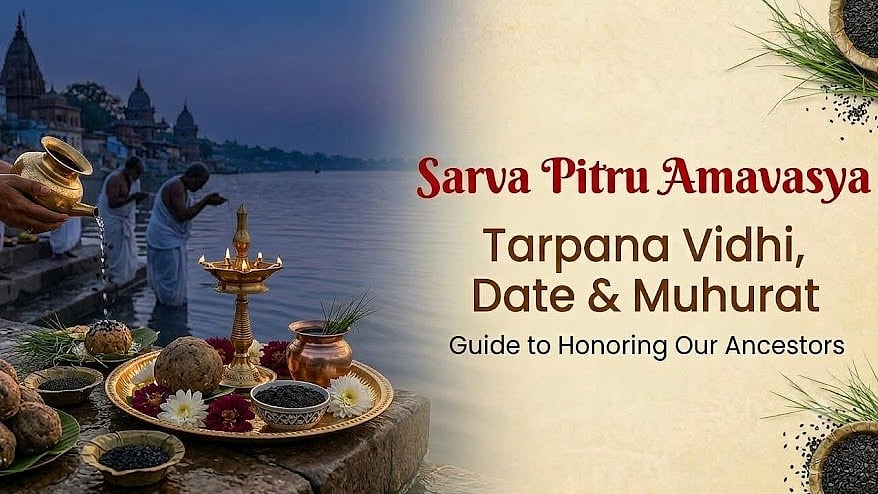
Sarva Pitru Amavasya, one of the most significant observances dedicated to remembering departed ancestors in Hindu tradition, will be observed on Saturday, October 10, 2026. Also known as Mahalaya Amavasya, Pitru Moksha Amavasya and Pitru Visarjani Amavasya, it marks the concluding day of Pitru Paksha, the 16-day period during which families pay homage to their ancestors through prayers, Shraddha rituals, tarpan and charity.
The day holds particular significance for families who wish to honour multiple generations of ancestors, those who do not know the exact tithi of a departed family member's death, or those who could not perform Shraddha on the appropriate day during Pitru Paksha. The observance centres on gratitude, remembrance and the belief that offering prayers and performing charitable acts in the name of one's ancestors brings peace and spiritual merit.

Here's everything you need to know about Sarva Pitru Amavasya 2026, including its date, tithi timings, significance and customary puja rituals.
Sarva Pitru Amavasya 2026: Date And Timings
Sarva Pitru Amavasya will fall on October 10, 2026. According to the Panchang for New Delhi, the Amavasya tithi begins on the night of October 9 and concludes on October 10.
Date: Saturday, October 10, 2026
Amavasya Tithi Begins: 9:35 PM IST on Friday, October 9
Amavasya Tithi Ends: 9:19 PM IST on Saturday, October 10
Note: Timings may vary slightly across Panchang sources and locations. Families should check their local Panchang for location-specific timings.
Why Is Sarva Pitru Amavasya Important?
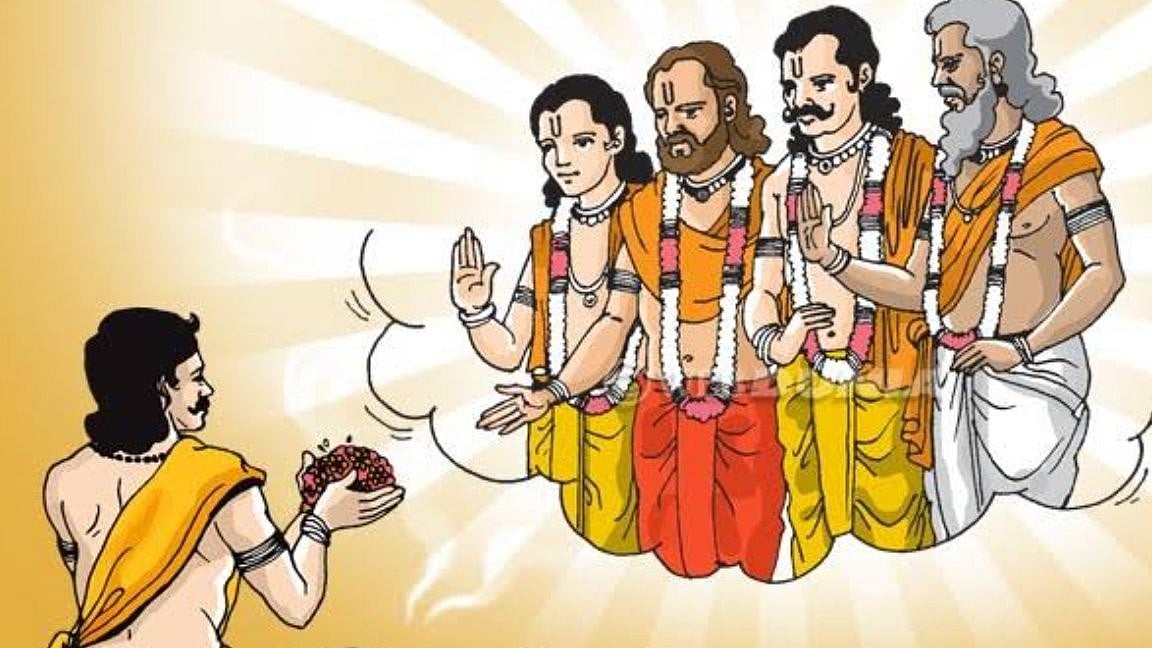
Pitru Paksha is a period traditionally dedicated to remembering deceased family members and acknowledging the role of previous generations in shaping the lives of their descendants. Sarva Pitru Amavasya brings this period to a close and is considered an especially important day for ancestral rites.
Unlike the other days of Pitru Paksha, which are generally associated with particular lunar dates, Sarva Pitru Amavasya is observed to honour ancestors collectively. It is especially relevant when the precise death tithi of an ancestor is unknown or when the family has been unable to perform the customary rites earlier in the fortnight.
The observance is rooted in shraddha, a Sanskrit term associated with faith and sincerity. Through prayers, water offerings, food and charitable acts, families express gratitude towards their ancestors and remember the values, traditions and memories passed down through generations.
Sarva Pitru Amavasya 2026: Puja Rituals And Vidhi
Rituals differ according to regional customs, family traditions and individual circumstances. However, some customary observances include the following:
1. Take A Holy Bath And Offer Prayers
Devotees traditionally begin the day with a bath and prayers. Some choose to bathe in a sacred river or other holy water body, while others perform their morning rituals at home.
2. Perform Pitru Tarpan
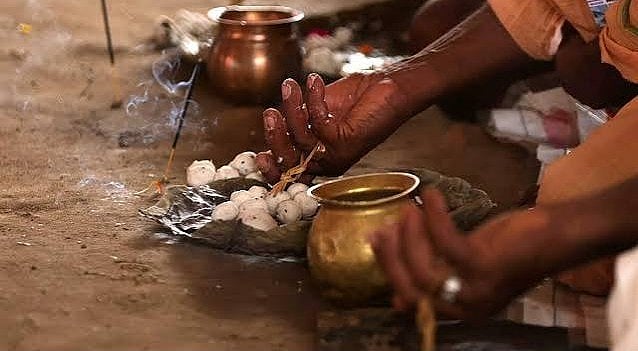
Tarpan is a ritual offering of water to departed ancestors. Water and black sesame seeds are commonly used, with prayers offered in remembrance of family members who have passed away. The ritual is traditionally performed according to the family's customs.
3. Perform Shraddha Rituals
Families may perform Shraddha ceremonies in honour of their ancestors. These can include prayers, food offerings and other prescribed rites. Those who follow a formal ritual may consult a priest for guidance on the appropriate procedure and timing.
4. Prepare Food And Make Offerings
Food is prepared as part of many family traditions, with offerings made in remembrance of departed loved ones. Some households also follow customs involving feeding crows, cows or other animals, depending on local practice.

