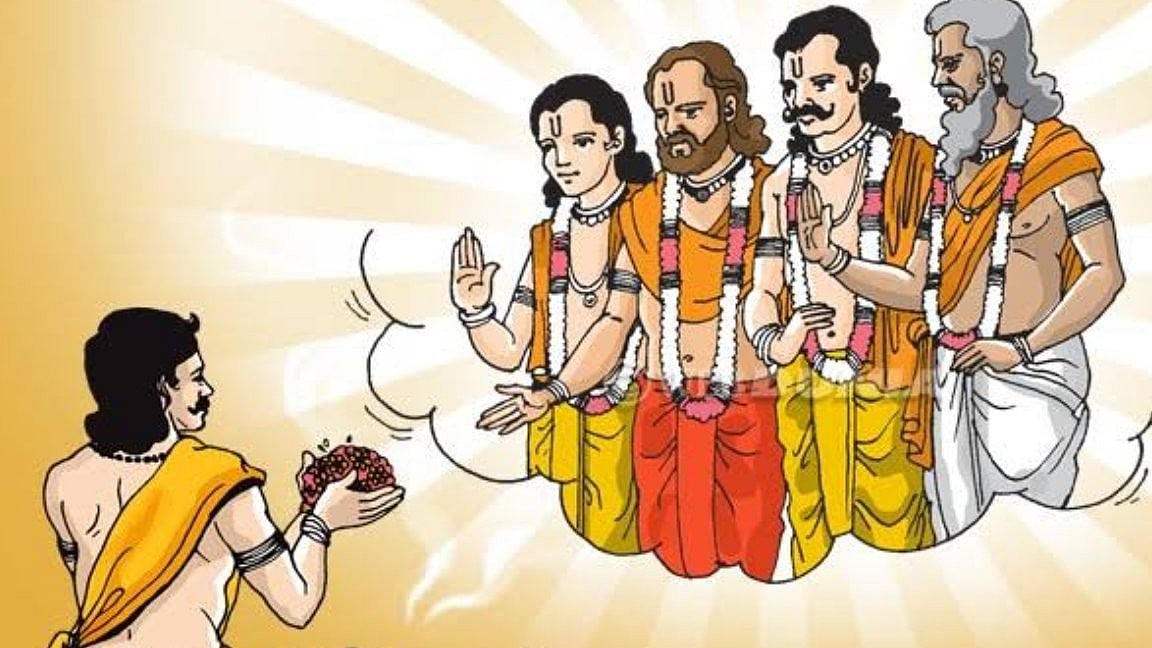
Pitru Paksha, also known as Shraddha Paksha, is a significant period in the Hindu calendar dedicated to remembering and honouring ancestors. In 2026, Pitru Paksha begins on September 26 and is observed for around 16 lunar days. During this period, families perform Shraddha rituals and offer food, water and prayers for departed ancestors. In 2026, the ancestors' period has already started from September 26.
One of the most important aspects of Shraddha is performing the ritual on the appropriate tithi, or lunar date, associated with the ancestor’s death. Unlike the Gregorian calendar date, the Shraddha date is determined according to the Hindu lunar calendar.
How to find the Shraddha date
If the death tithi of an ancestor is known, families can refer to a reliable Hindu Panchang for Pitru Paksha 2026. The tithi on which the ancestor passed away is matched with the corresponding tithi during Pitru Paksha. Shraddha is generally performed on that particular tithi.
For instance, if a person passed away on Krishna Paksha Ashtami, the Shraddha is traditionally observed on Ashtami during Pitru Paksha.
However, determining the date can sometimes be complicated because a lunar tithi does not always correspond to a full calendar day. A tithi may begin or end during the day, making the local sunrise and other Panchang calculations important.
What if the death tithi is unknown
If the exact death tithi is not known, Hindu traditions provide other options. Sarva Pitru Amavasya, also known as Mahalaya Amavasya, is traditionally considered an important day for performing Shraddha for ancestors whose tithi is unknown or for those who could not be remembered on their specific tithi.
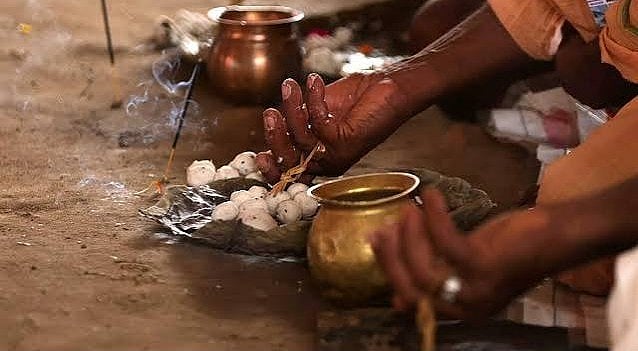
Matru Navami and its significance
Matru Navami is the ninth day of the Hindu ancestral remembrance period known as Pitru Paksha. It is dedicated specifically to honouring deceased mothers, daughters, grandmothers or any female ancestors who passed away while their husbands were still alive. This year, it will fall on October 4, 2026.

