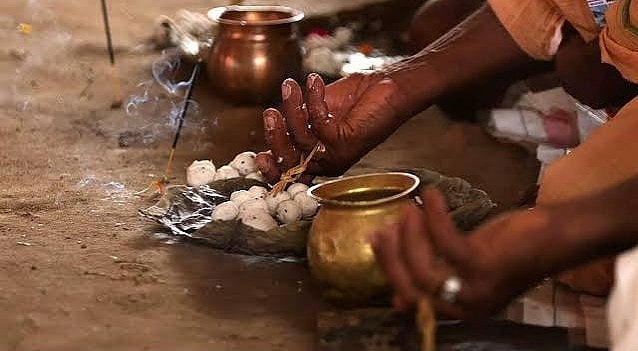
Pitru Paksha is considered an important period in the Hindu calendar for remembering and paying respects to ancestors through rituals such as Shraddha and Tarpan. Pitru Paksha, also known as Shraddh Paksha, is a significant period in Hindu tradition dedicated to honouring ancestors. In 2026, Pitru Paksha is being observed from Bhadrapada Purnima on September 26. However, many families may not know the exact Hindu lunar date, or tithi, on which an ancestor passed away. In such cases, traditional practices provide an alternative for performing ancestral rites. Let's know what ritual to perform if the death tithi is unknown and what Hindu scriptures say.
Honouring ancestors during Pitru Paksha
Pitru Paksha represents inclusivity, making certain that every ancestor, no matter their date of departure, is honoured with affection and dedication. It reinforces the connection between generations and highlights the Hindu faith in the continuity of life and existence after death. In 2026, Pitru Paksha is being observed from Bhadrapada Purnima on September 26. According to Hindu scriptures, if the death tithi is unknown, Shraddha can traditionally be performed on Sarva Pitru Amavasya, also known as Mahalaya Amavasya. It is the concluding day of Pitru Paksha and is considered an appropriate day to offer prayers and food to ancestors whose specific Shraddha tithi is not known.
Significance of Sarva Pitru Amavasya
The word Sarva Pitru Amavasya translates to “the new moon day for all ancestors.” According to Hindu belief, ancestors descend to the earth during Pitru Paksha and bless their descendants when offered rituals with sincerity. Performing tarpan (water offerings), pind daan (offering rice balls with sesame), and Shraddha rituals on this day is said to bring peace to the souls of forefathers and ensure prosperity and harmony within the family.

Shraddha ritual practices
The rituals generally involve taking a sankalp (religious resolve) in the name of the ancestor, offering water through Tarpan and preparing food as an offering. Traditional Shraddha practices may also include feeding Brahmins or offering food to cows, crows and other beings, depending on family customs.
Those who are unable to perform elaborate rituals can offer prayers and water with sincere intention. The exact procedure may vary according to regional and family traditions.

