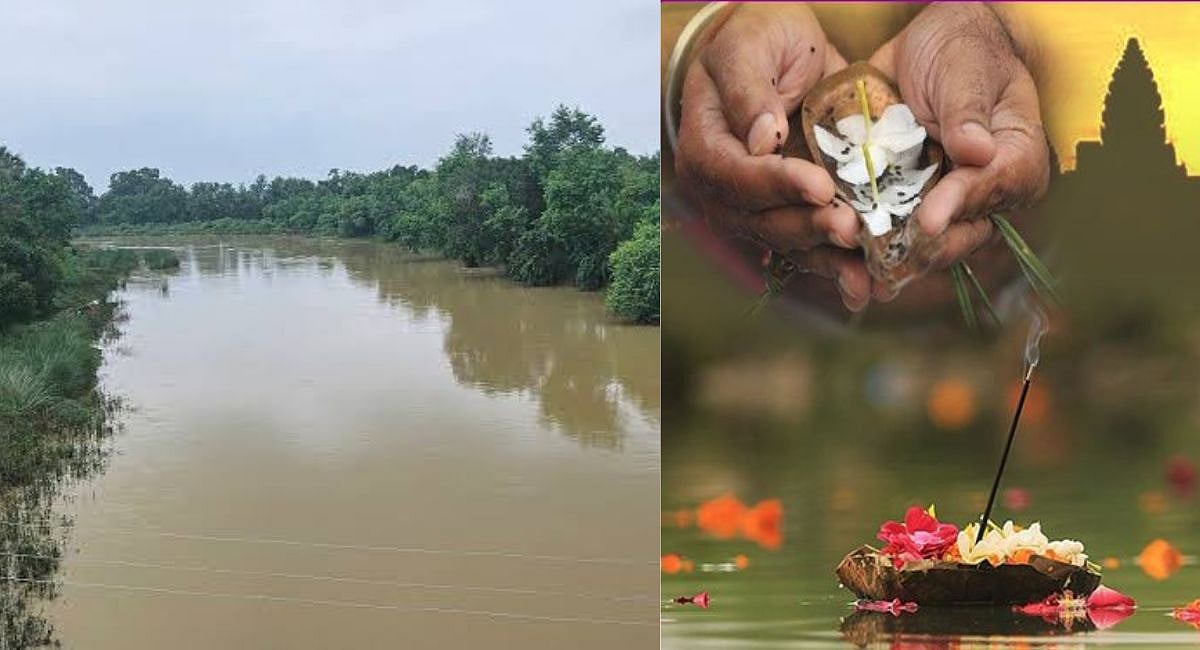
Pitru Paksha, also known as Shraddha Paksha, is a significant period in the Hindu calendar dedicated to remembering and honouring ancestors. In 2026, Pitru Paksha begins on September 26 and is observed for around 16 lunar days. During this period, families perform Shraddha rituals and offer food, water and prayers for departed ancestors. In 2026, the ancestors' period has already started from September 26.
Among the important traditions associated with Pitru Paksha is performing the first pind daan at the Punpun River in Bihar before proceeding to Gaya.
Why Is Pind Daan Performed At Punpun River?
According to Hindu religious beliefs, the Punpun River holds a special place in ancestral rituals. Devotees traditionally begin their pind daan pilgrimage at Punpun before continuing towards Gaya, which is considered one of the most significant places for performing rites for ancestors. The Punpun River is a 200 to 235-kilometre-long rainfed tributary of the Ganges that flows through the Indian states of Jharkhand and Bihar.
The ritual at Punpun is believed to mark the beginning of the ancestral journey. Devotees offer pind, rice-based offerings made as part of Shraddha rituals, along with water and prayers for their departed family members. It rises in the Chota Nagpur Plateau located in the Palamu district of Jharkhand.
What Is The Significance Of Punpun River?
The religious importance of the Punpun River is closely connected with its association with ancestral rites. In Hindu tradition, rivers are considered sacred spaces where offerings to ancestors can be made. Performing rituals at Punpun before reaching Gaya is therefore regarded as an important step in the traditional pind daan process.
Why Is Gaya Important?
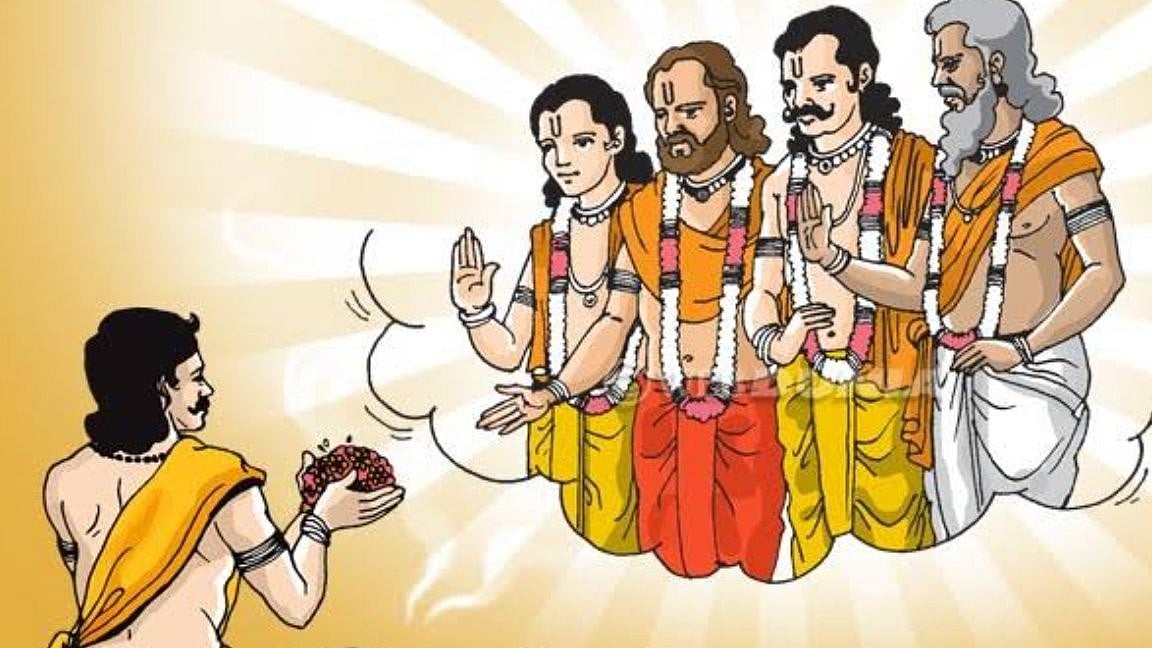
Gaya, particularly the Vishnupad Temple and the Falgu River, is regarded as one of the most important pilgrimage centres for pind daan. According to Hindu belief, performing ancestral rites at Gaya can help provide moksha or peace to departed souls.
During Pitru Paksha, thousands of devotees visit Bihar to perform these rituals. While customs may vary among families and communities, the Punpun-Gaya route remains an important part of the traditional pilgrimage for many devotees.

