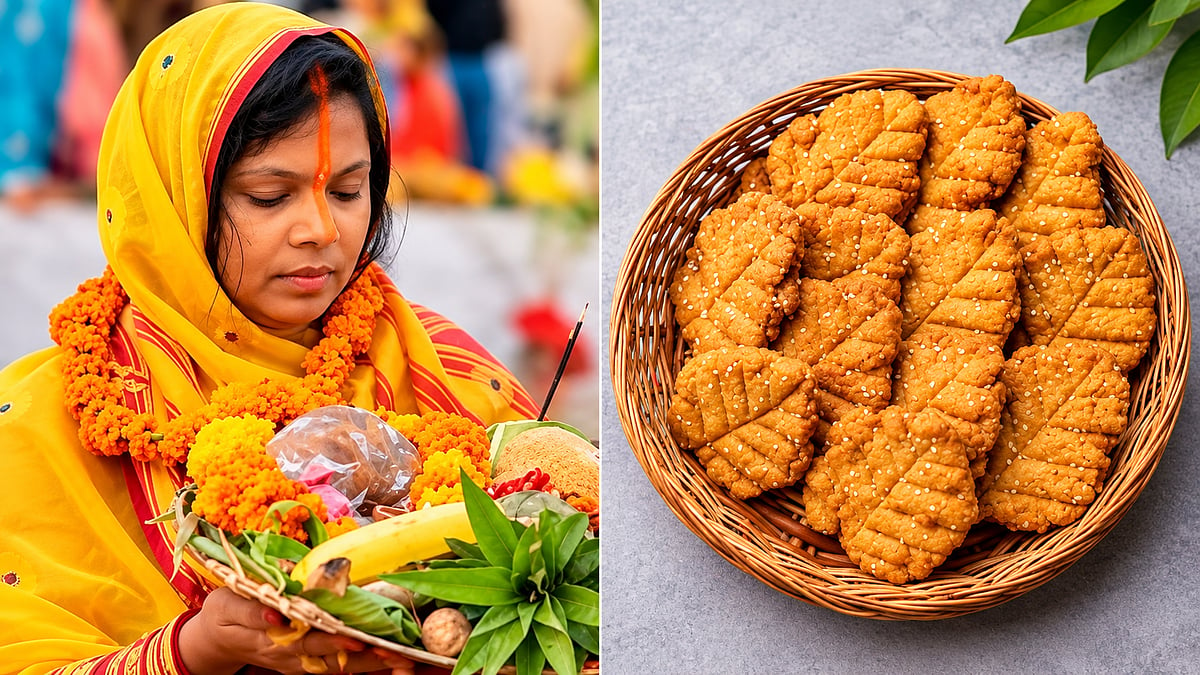
When you think of Chhath Puja, the image of devotees standing by the water, offering prayers to the rising and setting Sun, is probably one of the first things that comes to mind. But there's another tradition that makes the festival special, especially for those with roots in Bihar and eastern India: preparing thekua. This crisp, jaggery-based sweet is not just a festive treat but an important part of the offerings made to Chhathi Maiya and Surya Dev.
Chhath Puja 2026 began on Friday, November 13, and will conclude on Monday, November 16. During the four-day celebration, thekua finds a special place in the traditional offering basket, known as the soop. Here's everything to know about this much-loved sweet, its significance during the festival and how it is prepared.
What is thekua?
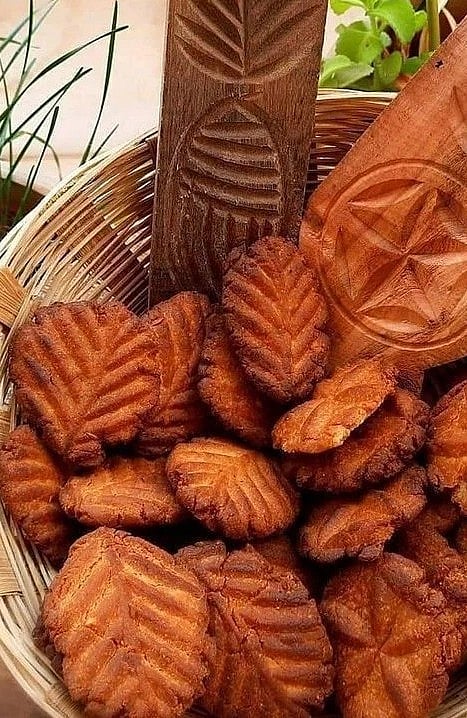
Thekua is a traditional sweet popular in Bihar and several parts of eastern India. Also known as thekari in some households, it is prepared using simple ingredients such as whole wheat flour, jaggery, ghee and flavourings like fennel seeds and cardamom. Grated coconut is also added to some versions, while others include dry fruits or follow recipes passed down through generations.
What makes thekua stand out is its texture. It develops a firm, crunchy exterior while remaining slightly soft and crumbly inside. Its rich sweetness, combined with the aroma of ghee and spices, gives it a distinctive flavour.
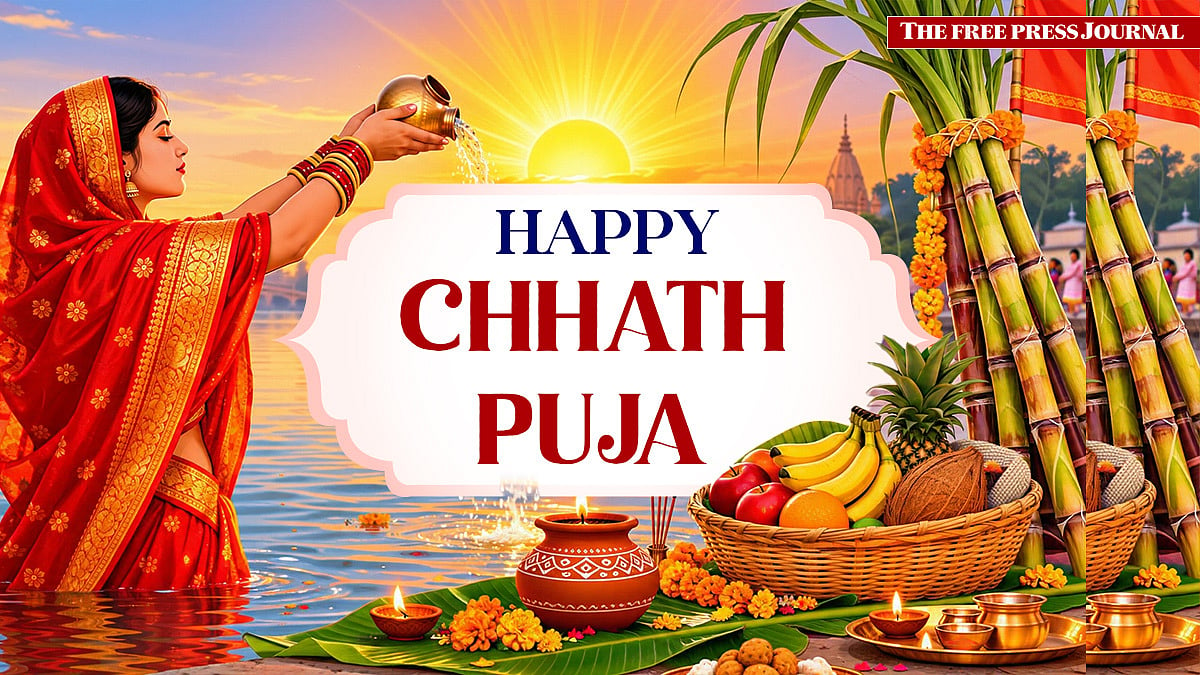
The sweet is also recognised for its decorative appearance. The dough is often pressed into carved wooden moulds before being cooked, leaving behind attractive patterns. Its name is believed to have originated from the Hindi word 'thokna', which means to press, referring to this traditional shaping technique.
Why is thekua offered during Chhath Puja?
Thekua is much more than a homemade sweet during Chhath Puja; it is an important part of the festival's prasad. Thekua is prepared with care and devotion and placed in a bamboo soop along with fruits, sugarcane and other offerings for Surya Dev and Chhathi Maiya.
Chhath Puja is centred on expressing gratitude to the Sun for sustaining life and nature. Thekua's simple, familiar ingredients and careful preparation reflect the spirit of the festival. The offering is first presented as a mark of devotion and thankfulness, after which it becomes prasad and is distributed among family members, neighbours and others.

For many families, the sweet is also closely tied to regional identity and childhood memories. Its presence during the festival connects generations through recipes and customs that have been followed in households for years. Sharing the prasad further reflects the festival's emphasis on togetherness and gratitude.

How is traditional thekua made?
Although recipes differ from one household to another, the basic preparation involves whole wheat flour, jaggery and ghee. Fennel seeds and cardamom are commonly used to add fragrance and flavour, while grated coconut or dry fruits may be included depending on family preferences.
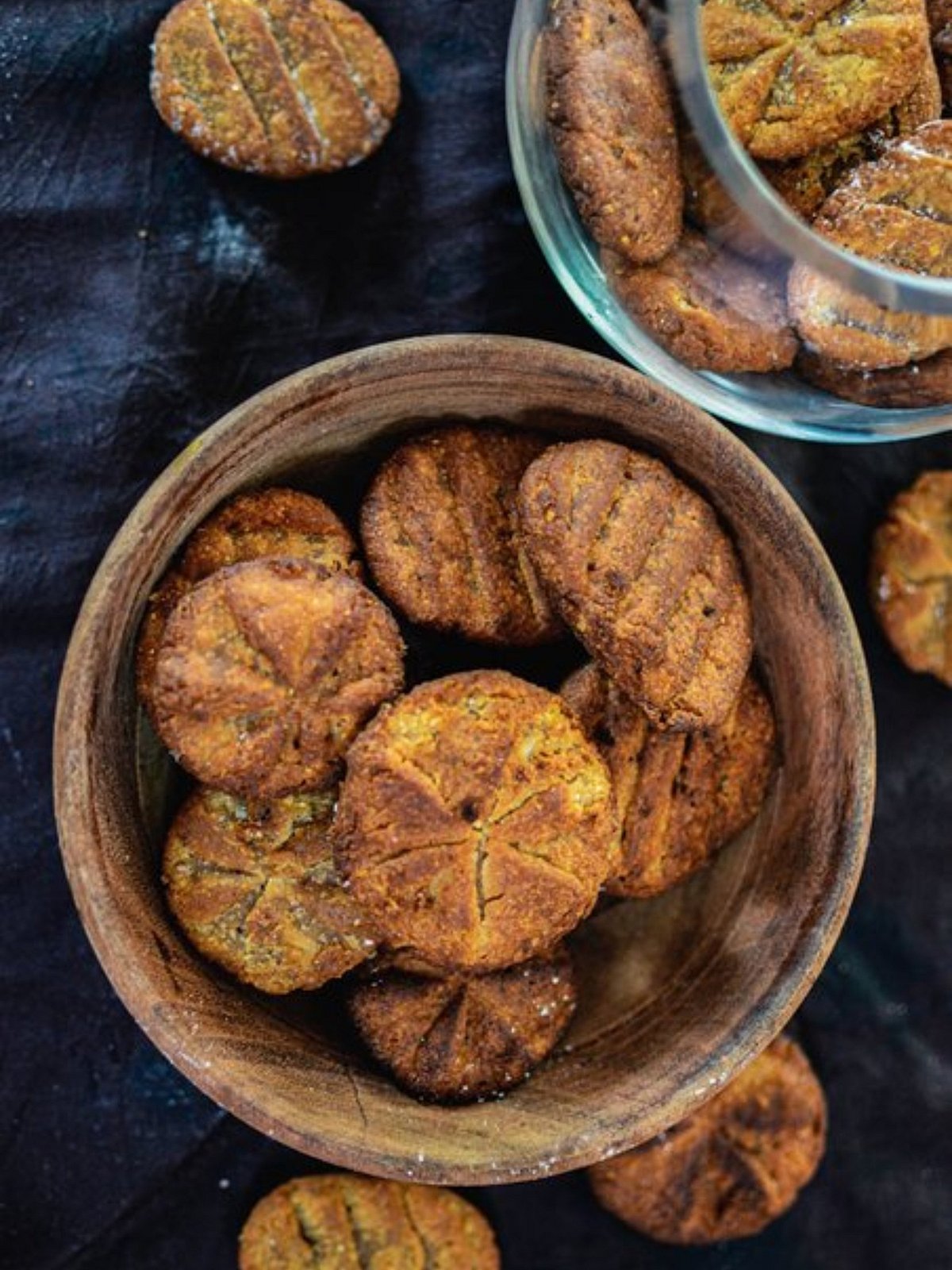
The ingredients are brought together to form a dough, which is then divided into small portions. These are pressed into carved wooden moulds to create the sweet's familiar patterns, although some families shape them by hand. The pieces are then deep-fried or baked until they develop a firm, golden-brown exterior.

There are several variations of the recipe. Some households prefer jaggery for a deeper, richer flavour, while others use sugar. The quantity of fennel, coconut and other additions also changes from one family to another, making each version a little different.
Why does thekua stay popular beyond the festival?
Unlike many sweets that are best enjoyed fresh, thekua has a relatively long shelf life. When stored correctly in an airtight container, it can remain fresh for several weeks. This makes it convenient to prepare ahead of the festival and enjoy even after the rituals have concluded.
From its place in the bamboo offering basket to being shared as prasad, thekua carries a significance that goes beyond its ingredients. It brings together food, family traditions and devotion, making it one of the most recognisable culinary symbols of Chhath Puja.
Level up your brain the fun way. Play daily games and quizzes on FPJ Smart!

