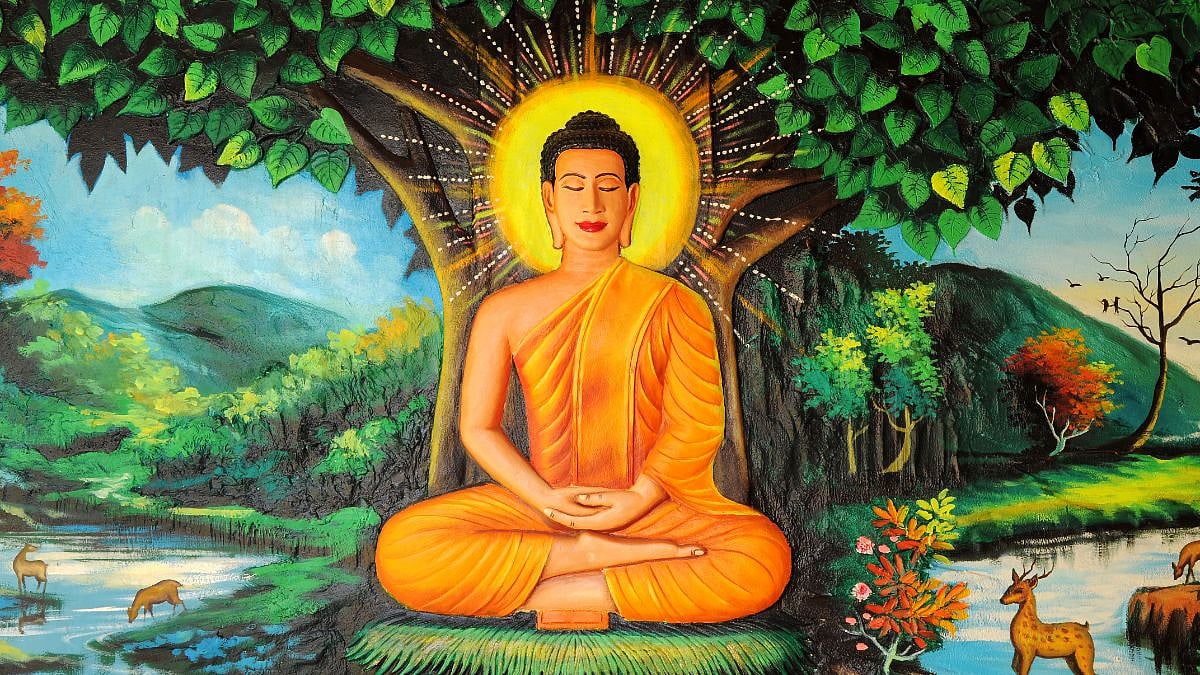
Bodhi Day is an auspicious day that teaches the significance of the Dharma and the teachings of the Buddha in attaining Nirvana and alleviating suffering. It highlights the Noble Eightfold Path as a framework for ethical and cognitive development. This auspicious day is observed every year on December 8. On this day, Buddhists honours Siddhartha Gautama's attainment of enlightenment, prompting contemplation of their personal path to enlightenment. The Day serves as an occasion for reflection, meditation, and recommitting to upholding the Buddha's teachings, promoting wisdom, compassion, and detachment.
About Bodhi Day
Bodhi Day's origins can be found over 2,500 years ago in the life of Siddhartha Gautama, a prince who gave up his royal existence after seeing suffering in the world. He meditated under the Bodhi tree at Bodh Gaya, India, as part of his search to find a remedy for human suffering. Siddhartha attained enlightenment following days of rigorous meditation, obtaining a deep understanding of the nature of suffering, its causes and the way to freedom. This epiphany signified his transformation from a prince to the Buddha, the 'awakened one'. In honour of this pivotal event, Bodhi Day serves as a reminder to Buddhists of the transformational power of spiritual practice and the insight gained with persistence and meditation.
Significance
Bodhi Day reminds Buddhists that all beings have the ability to achieve enlightenment through regular meditation, moral behaviour, and the pursuit of knowledge. It emphasises the significance of the Dharma and Buddha's teachings as a means to reach Nirvana and eradicate suffering. Bodhi Day highlights the significance of the Noble Eightfold Path, providing a useful framework for moral and intellectual growth.

How do people celebrate this day?
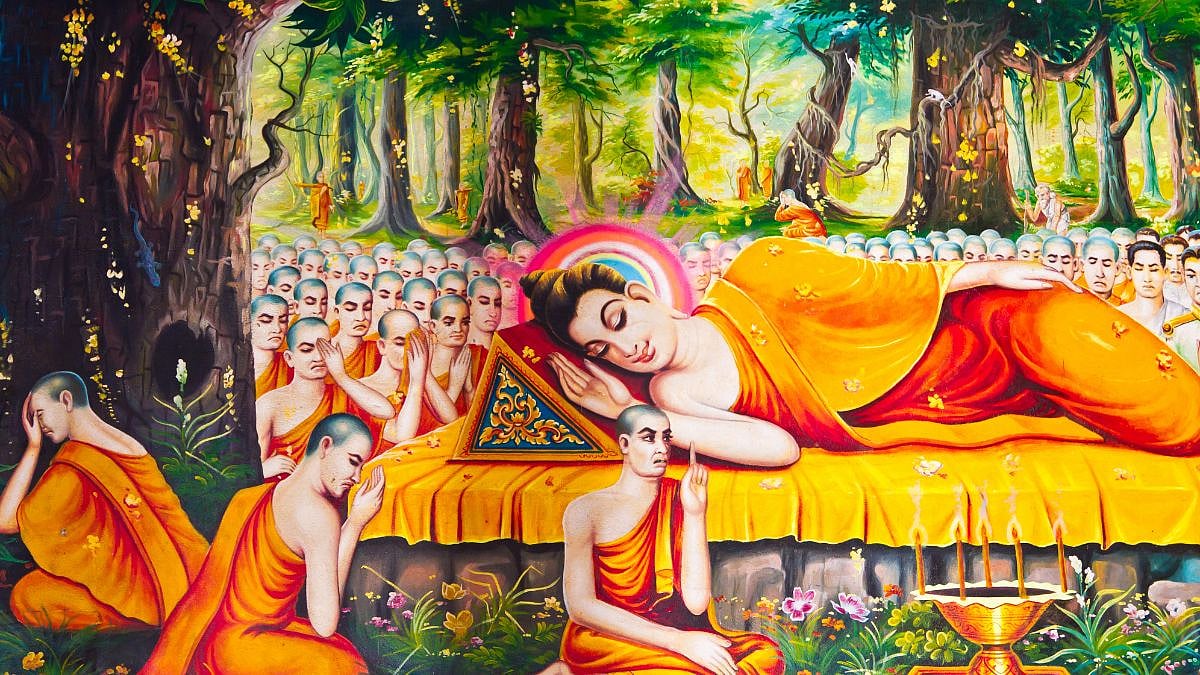
Buddhists observe Bodhi Day with activities such as meditation, chanting, and studying the Dharma to honour the Buddha's enlightenment. Festivities typically involve illuminating lamps and adorning trees with lights and decorations, contemplating the Buddha's teachings, and engaging in acts of kindness and compassion. Others might also partake in a customary meal of tea and cake.
