Pride Month 2026 is once again bringing conversations around identity, visibility, and inclusion into the spotlight. While rainbow campaigns and parades fill social media feeds every June, many members of the LGBTQIA+ community continue to navigate challenges that extend far beyond a single month of recognition.
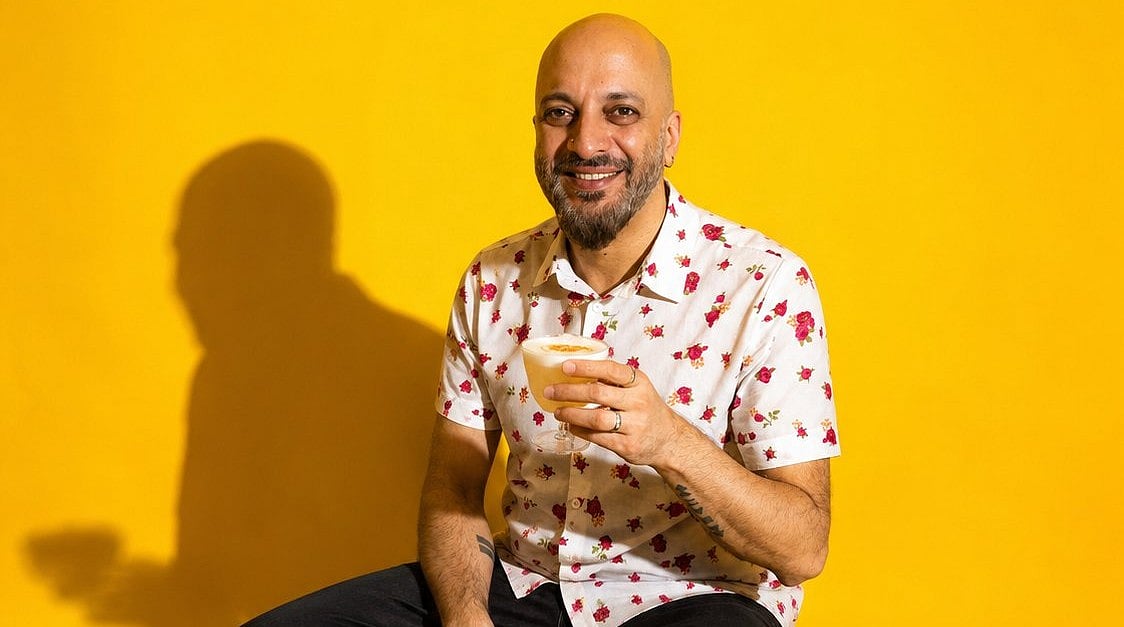
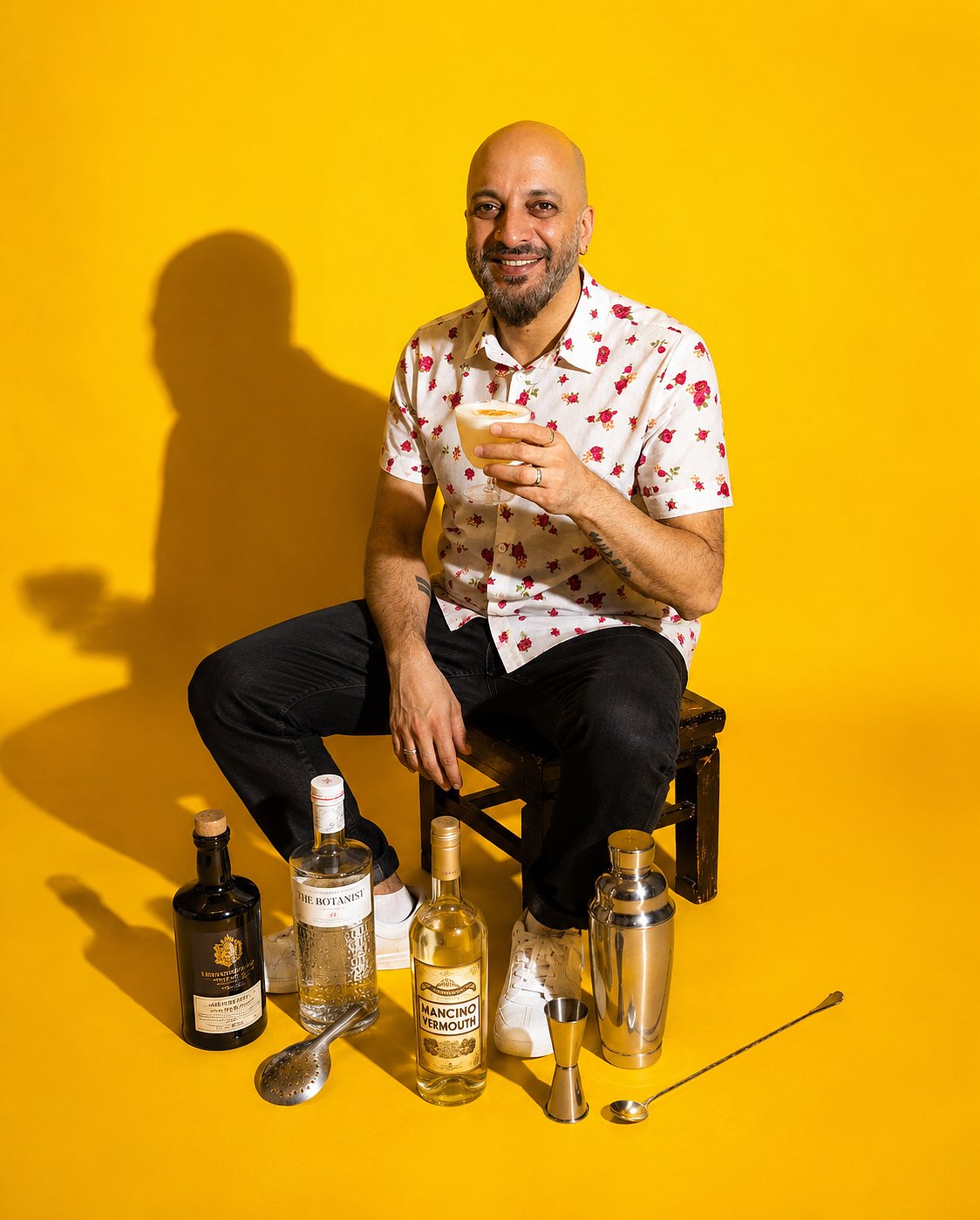
Few understand that reality better than Vikas Narula, the openly queer co-founder of Delhi's popular cultural venue Depot48. Over the past decade, he has helped create one of the capital's most trusted inclusive spaces, where queer artists, performers, and audiences can feel seen, celebrated, and safe year-round.
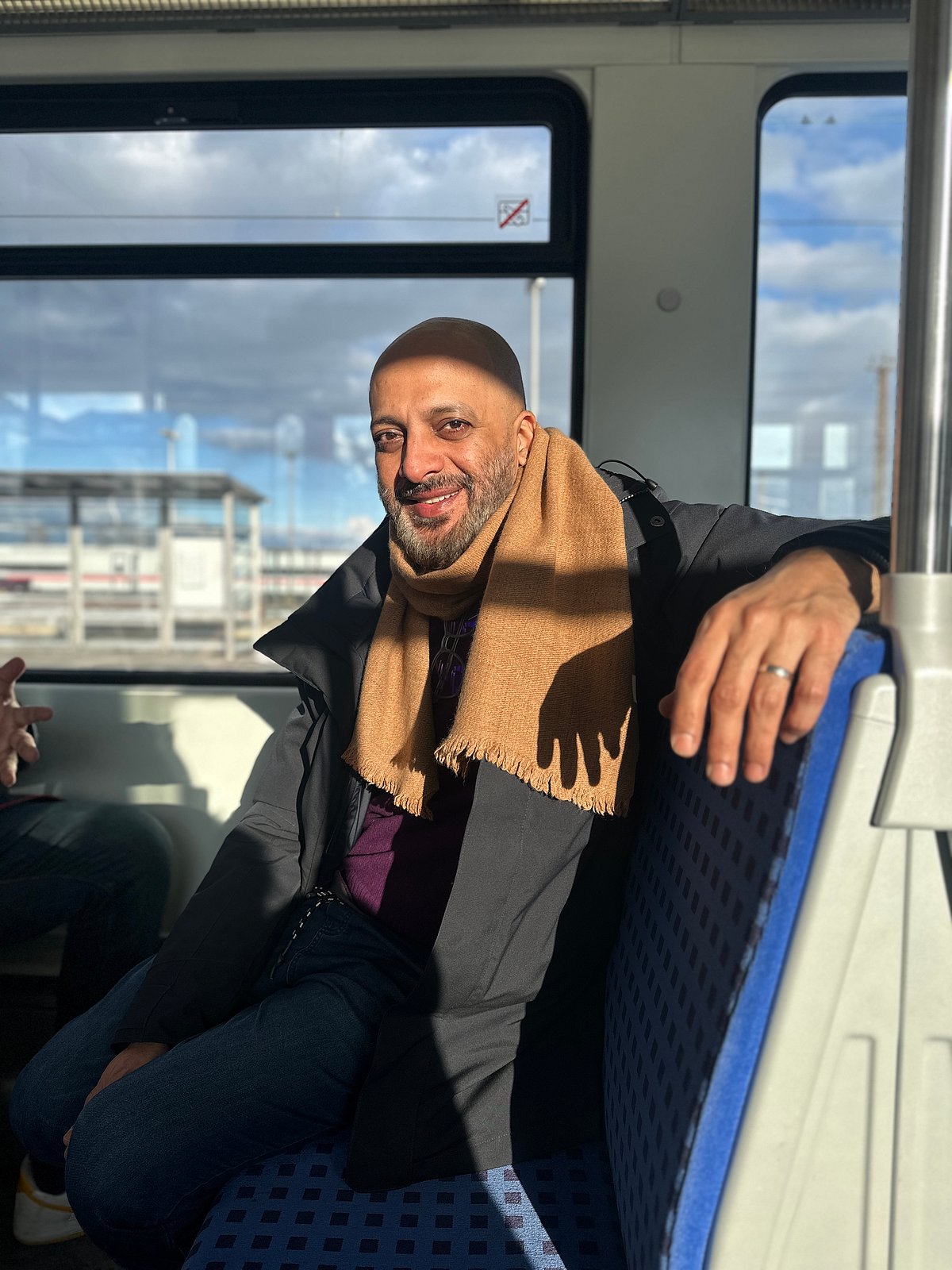
In an exclusive conversation with The Free Press Journal, Narula reflects on how Pride has evolved in India, the gaps that still exist between legal progress and lived experiences, why true inclusion requires more than rainbow branding, and what he hopes the future holds for India's LGBTQIA+ community.
Excerpts:
As someone who identifies as queer, what does Pride Month mean to you personally in 2026?
It's complicated, honestly. I'm proud of how far we've come; I've watched queer kids in Delhi go from hiding to headlining. But I'm also aware that Pride has a gentrification problem. It's becoming a branding exercise for companies that wouldn't have touched us a decade ago. For me personally, it's still the month I feel most connected to why we started Depot48 – not to be trendy, but because people needed a room where they could just exist.
Looking back at your own journey, how different is it to be openly queer in India today compared to when you were growing up?
Growing up in a Punjabi family, the aunties called me 'kudiyan varga, sissy boy', words meant to correct me, not to describe me. The boys at school had their own crueller version. Queer wasn't a word anyone used. It was just a target. Now our venue has hosted hundreds of openly queer artists, and that would have been unimaginable. But I also know kids who still can't tell their parents. Urban visibility is real. But it's a thin layer. Scratch it and the family pressure and the workplace anxiety – those are still very much there. Step outside the bubble and the silence returns fast.
Do you think Pride in India has evolved beyond parades and celebrations into something deeper?
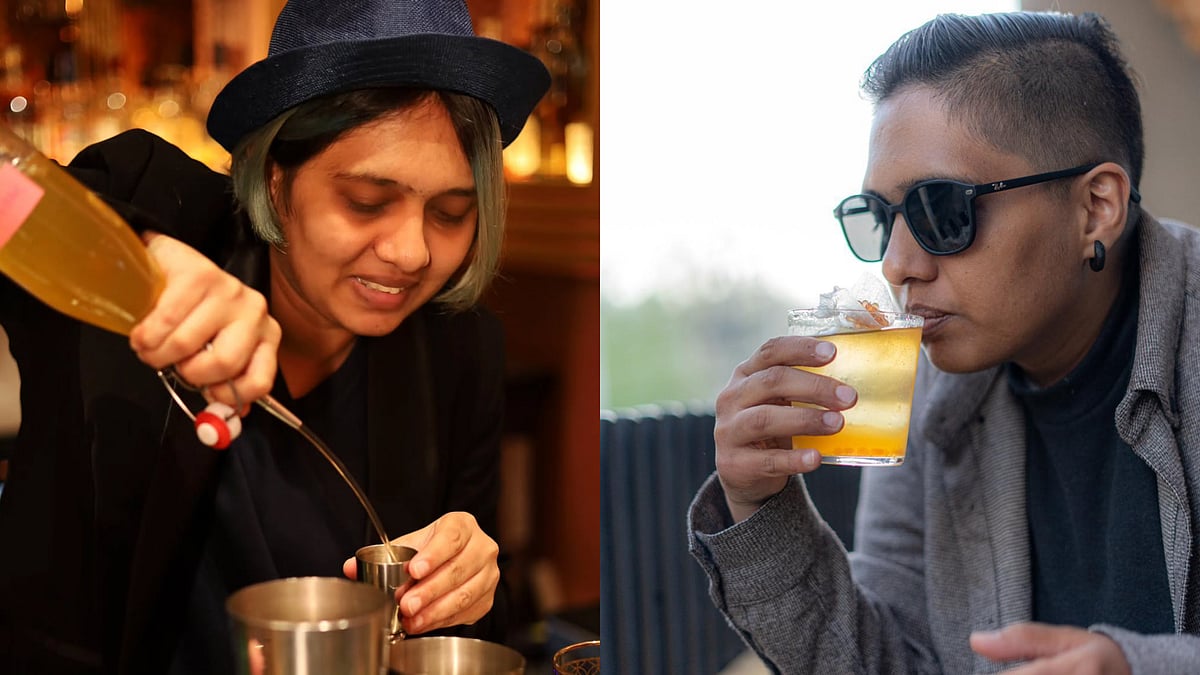
The parade matters. Don't let anyone tell you visibility is shallow; it saved lives. But yes, what's happened in spaces like ours is something different. It's become infrastructure. Year-round programming, consistent bookings for queer artists, a bar tab that doesn't come with a side of judgement. Meaningful Pride is less about one march and more about whether queer people have places they can return to on a random Tuesday in October.
India has made significant progress since Section 377 was struck down. What do you think are the biggest challenges the LGBTQIA+ community still faces today?
Honestly? The gap between legal progress and lived reality is enormous. 377 going was huge, but it didn't change what happens at a family dinner, or in an HR department, or at a housing society. Trans communities especially are still fighting battles that urban Pride conversations barely touch. We celebrate the wins loudly and move on too quickly. The hard stuff – economic inclusion, healthcare access, family rejection – that work is slower and less Instagrammable.
Depot48 is often described as a queer-trusted space. What does it take to create a venue where people genuinely feel safe rather than simply welcomed?
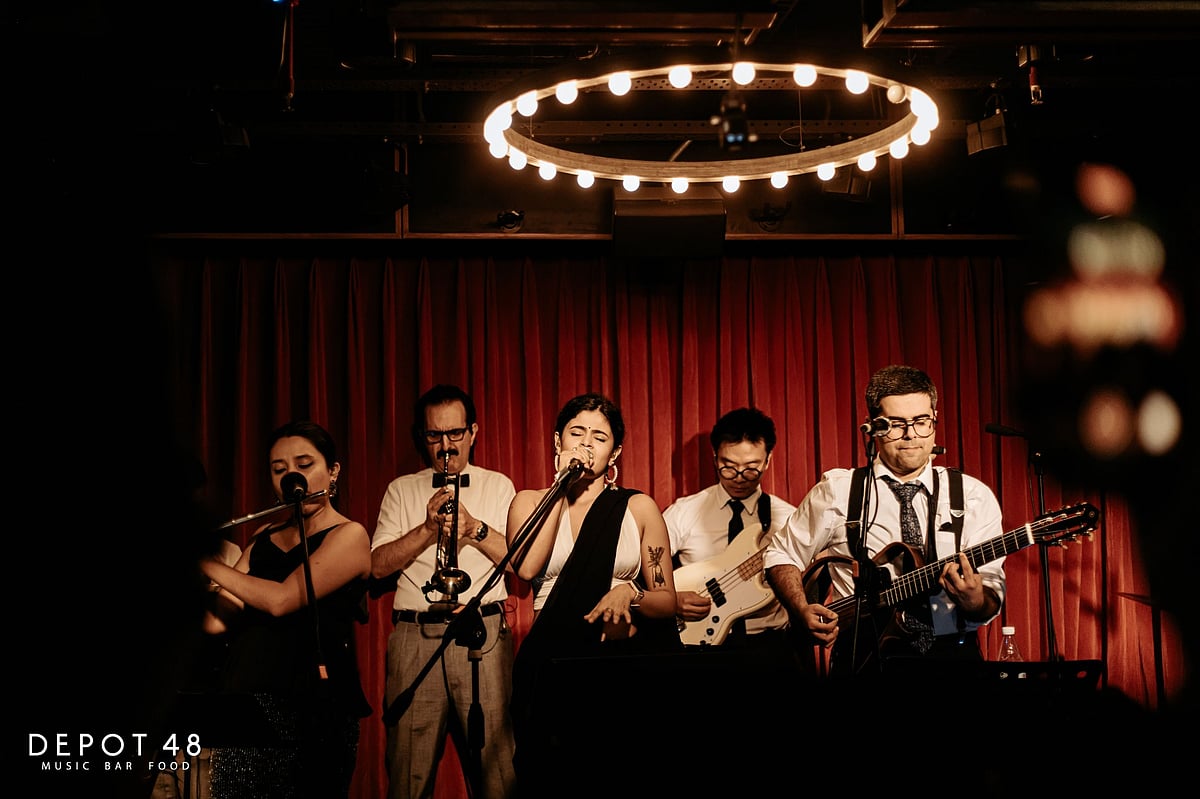
You don't achieve it by putting a rainbow on your door. You achieve it by handling the incident at the bar correctly at 1 a.m. By training your staff so they don't make someone feel like a curiosity. By having a zero-tolerance policy that you actually enforce and not just print on a poster. We've been doing this since 2014; safety is a practice, not a positioning statement. People return when they've tested you and found you didn't fold.
Do you think India's entertainment and nightlife industries are doing enough to support queer artists?
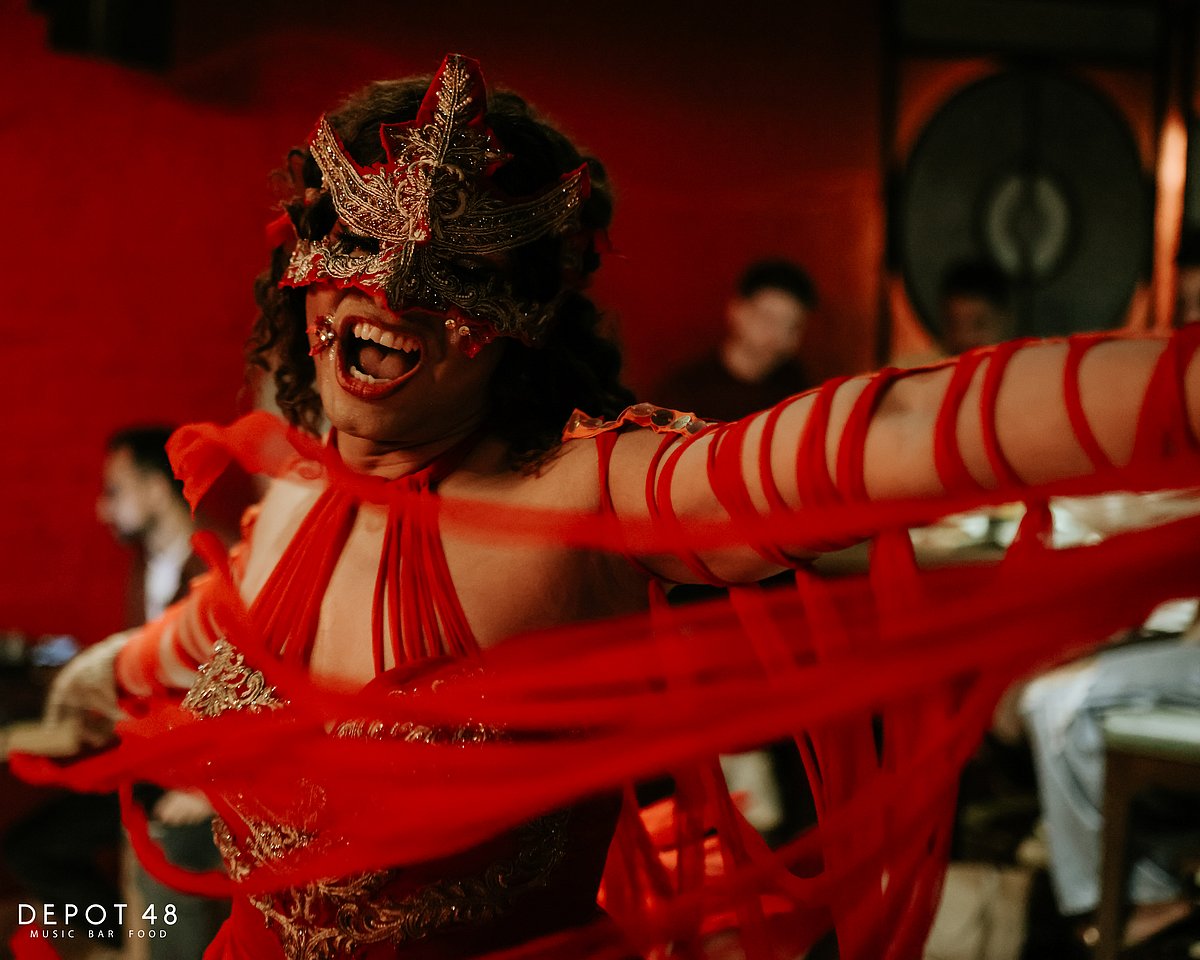
No. Inclusion during Pride month is not inclusion. I've watched venues programme queer artists in June and go completely dark the rest of the year. We've done over 5,000 gigs at Depot48; queer artists are on our stage in January, in August and whenever they're making good work. That's the bar. Not a Pride special. Not a token slot. If you need a festival theme to justify booking queer talent, you're not actually a supporter; you're a seasonal one.
Have you noticed a shift in audience attitudes towards drag performers, queer musicians and LGBTQIA+ programming over the last decade?
Dramatically. When we first started booking drag performers, a lot of people didn't know how to respond. Now the same acts draw the biggest crowds of the night. Delhi audiences have grown up. They're not coming to observe; they're coming to participate, to celebrate. That shift didn't happen because of top-down awareness campaigns. It happened because people had consistent, repeated, real experiences in spaces that normalised it.

As a queer entrepreneur, has your identity shaped the way you lead your business or build teams?
Probably more than I realise. I'm suspicious of hierarchies that perform inclusion without practising it. I've been in enough rooms where I was the diversity checkbox to know exactly what that feels like, and I refuse to run a business that way. The team at Depot48 is built around people who actually give a damn, full stop. When you've navigated your own identity in spaces that weren't built for you, you get very good at noticing when someone else is doing the same.
If you could make one change for the LGBTQIA+ community in India over the next five years, what would it be, and why?
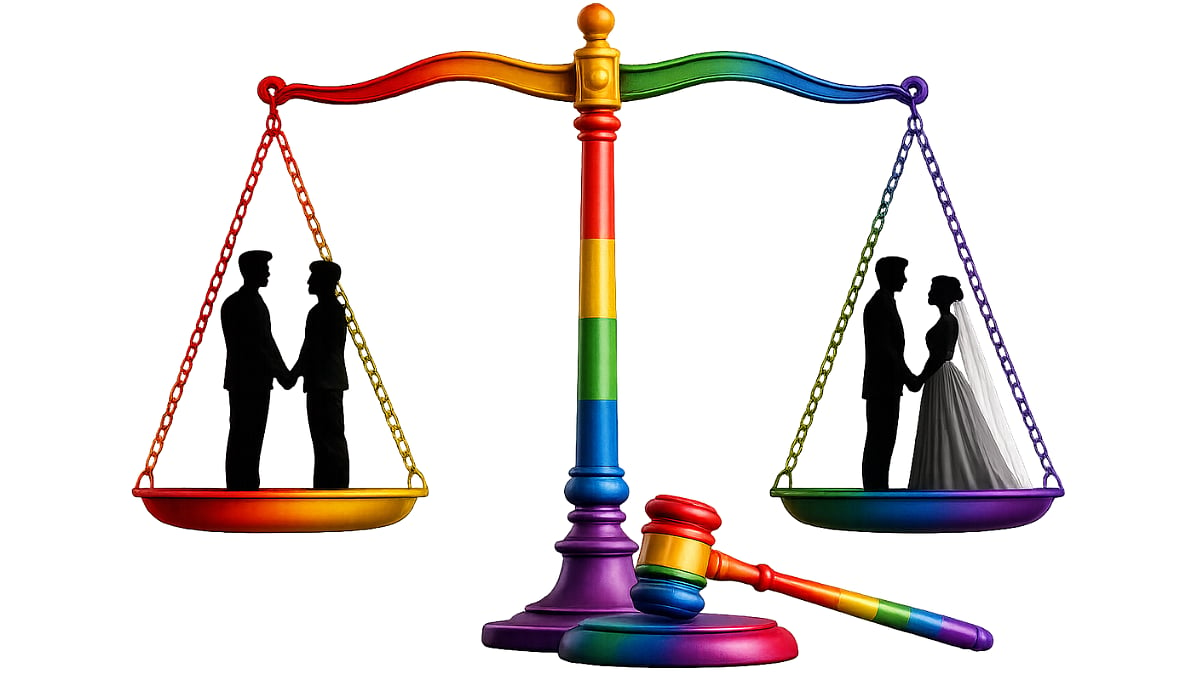
Legal recognition for queer families and relationships – that's the one. Everything else we can fight for culturally, socially, person by person. But without legal backing, queer people are building lives on sand. Inheritance, medical decisions, adoption, housing – these aren't abstract rights. They're what happens when something goes wrong, and the system decides whether you count. We've waited long enough to count.
