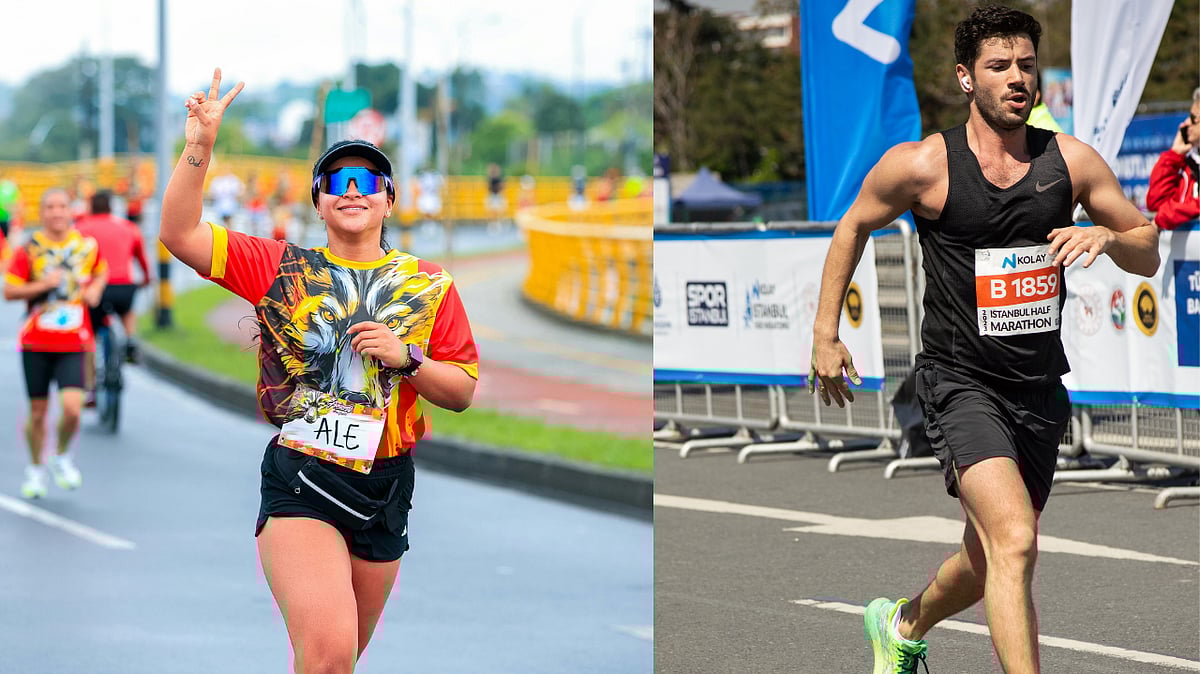
An early-morning marathon is not won by adrenaline alone. It is shaped by what happens the night before, by how deeply the body rests, and by how intelligently it is fuelled.
Inshaa Arora, Integrative Nutritionist & Health Coach, specialising in endurance nutrition and sustainable performance, helps you understand the science behind how these choices can transform not just performance, but the entire experience.

What should runners eat the night before the marathon and why does it matter so much?
The dinner before a marathon sets the foundation for race-day energy. Muscles rely primarily on glycogen (stored carbohydrates) to sustain long-distance running.
The aim of the previous night's meal is to optimise glycogen storage without overwhelming the digestive system. A meal rich in familiar carbohydrates, paired with moderate protein and minimal fat, supports this balance.
Foods like rice with dal, khichdi, curd rice, plain pasta with a light sauce, or soft rotis with a simple sabzi allow carbohydrates to be absorbed efficiently while protein aids muscle repair from training.
What often goes wrong is overeating or choosing rich, celebratory meals. Excess fat and spice slow gastric emptying, increase acidity and can disrupt sleep and cause issues that tend to surface midway through the run.
Portion size is just as important as food choice; eating until comfortably satisfied helps the body rest and recover overnight. Alcohol deserves a special mention as it interferes with glycogen storage, dehydrates the body and fragments sleep, making it one of the most counterproductive choices before race day.
Canva
How important is sleep before an early-morning marathon?
Sleep is where training actually settles into the body. During deep sleep, growth hormone is released, muscle fibers repair, immune function strengthens and glycogen stores are replenished.
For a marathon that begins early, runners should aim for seven to eight hours of sleep for at least two to three nights leading up to race day.
This cumulative rest is far more important than a single perfect night.
Many runners worry about poor sleep the night before due to nerves, and that concern is often unnecessary. Even with a lighter or broken night of sleep before the race, a well-rested body from earlier in the week can perform remarkably well.
On the other hand, deliberately cutting sleep short to wake extremely early for food or rituals often increases fatigue, impairs decision-making and raises perceived effort during the run.
When should runners wake up on race morning to balance sleep and digestion?
For a marathon that typically starts around six in the morning, waking up about 90 minutes to two hours before the start is both realistic and effective. This window allows enough time for hydration, a small meal, bowel movement and mental settling, without sacrificing precious sleep.
Physiologically, there is little benefit to waking three or four hours earlier. Glycogen stores are already present from the previous night’s meal, and the digestive system does not need excessive time to process a light breakfast.
Preserving sleep often contributes more to sustained energy, focus and pacing than waking early in the name of preparation.
Canva
What should one eat before an early-morning marathon, and why do these foods work best?
The pre-race meal is about stabilising blood sugar while minimising gastrointestinal stress.
Easily digestible carbohydrates are ideal because they convert quickly to glucose, the body’s preferred fuel during endurance exercise. Fiber, fat and very high protein slow digestion and increase the risk of discomfort once running begins.
Practical options include a banana, white toast with honey or jam, a small bowl of soft oats, rice porridge, suji-based preparations or boiled potatoes with a pinch of salt. These foods provide accessible energy without heaviness.
Portions should be modest; feeling overly full diverts blood flow to digestion at a time when muscles need it most. Race morning is also not the time to introduce seeds, raw fruits, new supplements or protein-heavy meals - familiarity protects the gut under stress.
How should hydration be managed before and during the marathon?
Hydration plays a critical role in maintaining blood volume, regulating body temperature and delivering nutrients to working muscles. On waking, one glass of water is usually sufficient to correct overnight fluid loss.
Drinking excessively at this stage can dilute electrolytes and lead to bloating or discomfort during the run.
During the marathon, small and regular sips, typically every 20 to 30 minutes help maintain hydration without overwhelming the stomach.
In Mumbai’s humid conditions, sweat losses can be significant even in the early morning, making electrolytes particularly important. Sodium replacement helps prevent cramps, dizziness and early fatigue. Rather than rigid rules, runners should rely on thirst and physical cues to guide intake, adjusting based on weather and individual sweat rates.

What should runners avoid on marathon day, and why?
Race day places the body under both physical and psychological stress, making it more sensitive to disruption. New foods or supplements introduce uncertainty and increase the risk of gastrointestinal distress.
Excess caffeine can elevate heart rate, worsen dehydration and amplify anxiety. Heavy, spicy or greasy foods divert blood flow toward digestion, compromising performance.
Alcohol the night before is especially harmful — it disrupts sleep architecture, impairs hydration and slows muscle recovery. Comparison is another hidden stressor. Pushing beyond one’s trained pace elevates stress hormones, accelerates glycogen depletion and often leads to an early crash. Each runner’s physiology is different and respecting that individuality is key.
What is the best food to have immediately after finishing the marathon, and why does timing matter?
The period immediately after finishing is when the body is most receptive to recovery nutrition. Within 20 to 30 minutes, muscles are primed to absorb glucose and amino acids efficiently. Rehydration should come first, using water, electrolytes or coconut water to restore fluid and sodium balance.
Combining carbohydrates with protein soon after the race accelerates glycogen replenishment and supports muscle repair. Simple meals such as dal and rice, khichdi, curd with fruit, eggs with toast or a banana with a protein shake meet these needs effectively. Appetite may return gradually, and digestion can be sensitive. Gentle, familiar foods are best. Recovery is not about indulgence it is about restoring balance.

What are the most important principles runners should remember on race day?
A marathon is not a test of pain tolerance. It is a test of awareness. Walking when needed helps regulate effort, slowing down helps preserve glycogen, and listening to the body prevents injury.
In Mumbai’s early-morning humidity, runners who pace intelligently and fuel consistently often finish stronger than those who rely on adrenaline alone.
Finish times fade and medals collect dust, but how well you cared for your body before, during and after the race shapes not just performance, but longevity in the sport.
Runners leave the course carrying more than tired legs. They carry the quiet satisfaction of having understood the science, respected their bodies, and moved through the city at its calmest.

