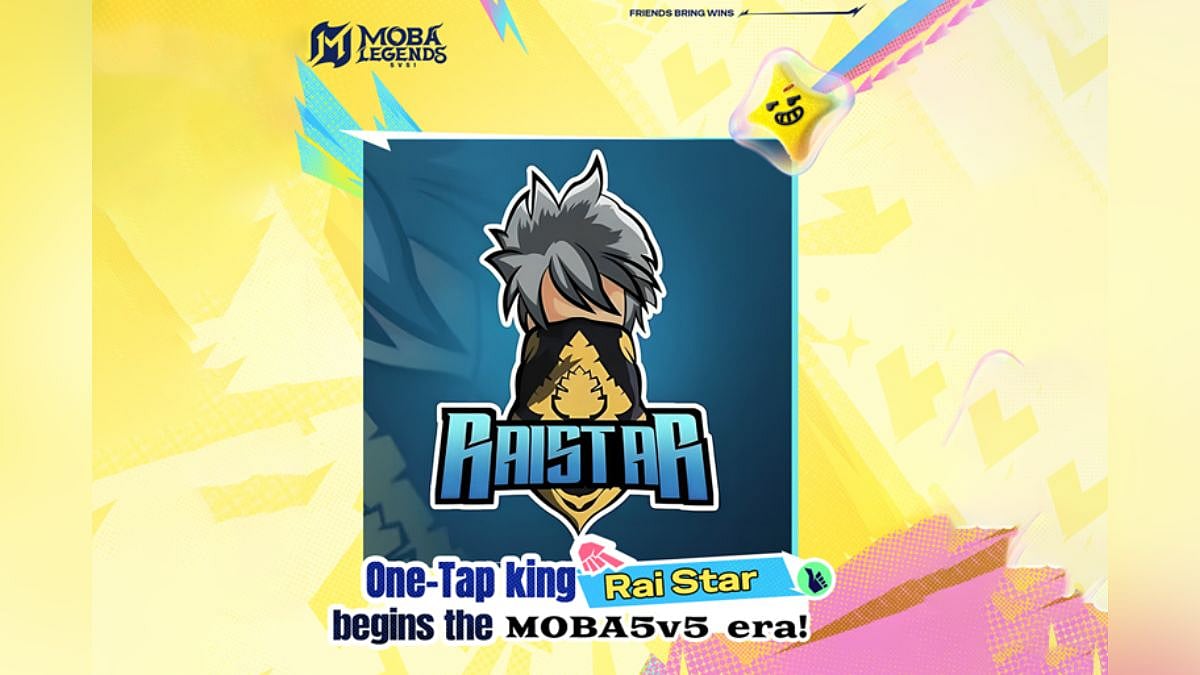
India’s move toward strategy-driven competition, teamwork, and professional ambition
The Indian esports industry has entered a more mature and purposeful phase, evolving far beyond casual gameplay into a space where discipline, strategy, and long-term vision define success. The entry of Raistar and Gyan Gaming into the MOBA 5v5 ecosystem reflects this transformation. After rising to prominence during the Free Fire boom and building massive fan communities, both creators are now embracing a competitive format that demands collaboration, foresight, and sustained professional growth.
For many years, Free Fire played a defining role in shaping India’s mobile esports culture, creating accessible entry points for aspiring gamers and bringing competitive play into the mainstream. As audiences and players grow more sophisticated, however, there is a clear shift toward formats that reward structured thinking and teamwork. Raistar and Gyan Gaming’s transition mirrors this broader evolution within Indian esports.
Why MOBA 5v5 Represents the Next Step
MOBA 5v5 introduces a fundamentally different competitive challenge. Instead of relying primarily on individual execution, it requires players to plan collectively, adapt continuously, and execute strategies under pressure. For experienced creators like Raistar and Gyan Gaming, the format opens new dimensions of competitive expression.
MOBA 5v5 allows players to:
● Test strategic foresight and leadership within team environments
● Master role-based gameplay and hero-specific responsibilities
● Develop adaptability through constantly evolving match scenarios
● Compete in a structure designed for long-term professional play
Unlike Free Fire, where individual dominance often defined outcomes, MOBA places equal weight on coordination, timing, and shared decision-making—raising the competitive ceiling for elite players.
More Than a Game: A Competitive Framework
MOBA, or Multiplayer Online Battle Arena, is built around complexity and collaboration. Every match becomes a test of planning, execution, and teamwork, where small decisions can have lasting consequences.
● Each hero brings unique strengths and tactical roles
● Resource allocation and timing influence momentum
● Team coordination determines success more than raw mechanics
● Continuous adaptation separates good teams from great ones
This depth makes MOBA 5v5 not just competitive, but sustainable—offering players a platform to evolve with the game over time.
The Human Side of the Transition
Behind every successful esports journey lies persistence, resilience, and an openness to change. Raistar and Gyan Gaming sharpened their instincts, awareness, and competitive mindset during their early careers. Moving into MOBA reflects their willingness to challenge themselves in a more demanding environment.
Their journey highlights:
● Countless hours spent learning team synergy and coordination
● Mental strength required to absorb losses and improve consistently
● A powerful example for young gamers aiming to build professional careers
Fans witness not just a genre shift, but the growth of creators who continue to evolve alongside the industry.
Impact on India’s Esports Ecosystem
India’s esports audience crossed 300 million in 2023 and is projected to reach nearly 400 million by 2025. Strategy-led formats like MOBA are increasingly central to this expansion.
Raistar and Gyan Gaming’s entry into MOBA 5v5 is expected to:
● Strengthen interest in team-based competitive gaming
● Support the growth of professional tournaments and leagues
● Encourage greater investment from brands and sponsors
● Create clearer development pathways for emerging talent
Their transition also bridges the gap between reflex-driven shooters such as Free Fire and team-centric esports, highlighting adaptability as a key trait of modern competitors.
Cultural Resonance with Indian Audiences
MOBA 5v5 resonates strongly with Indian audiences because of its parallels with gully cricket, where teamwork, planning, and shared responsibility define success. Every player has a role, and victories are collective achievements rather than individual feats.
This cultural alignment makes MOBA both aspirational and relatable, deepening audience engagement and emotional investment.
Conclusion: Shaping the Future of Indian Esports
MOBA 5v5 is more than a competitive format—it is a platform for ambition, learning, and professional excellence. Raistar and Gyan Gaming’s evolution from Free Fire icons to MOBA competitors captures the direction in which Indian esports is heading: toward strategy, collaboration, and long-term growth.
For the next generation of gamers, their journey delivers a clear message—success in esports is built on adaptability, teamwork, and perseverance. As India’s competitive gaming landscape continues to mature, MOBA 5v5 stands poised to define its future.
Download the app from Google Playstore and App Store.

