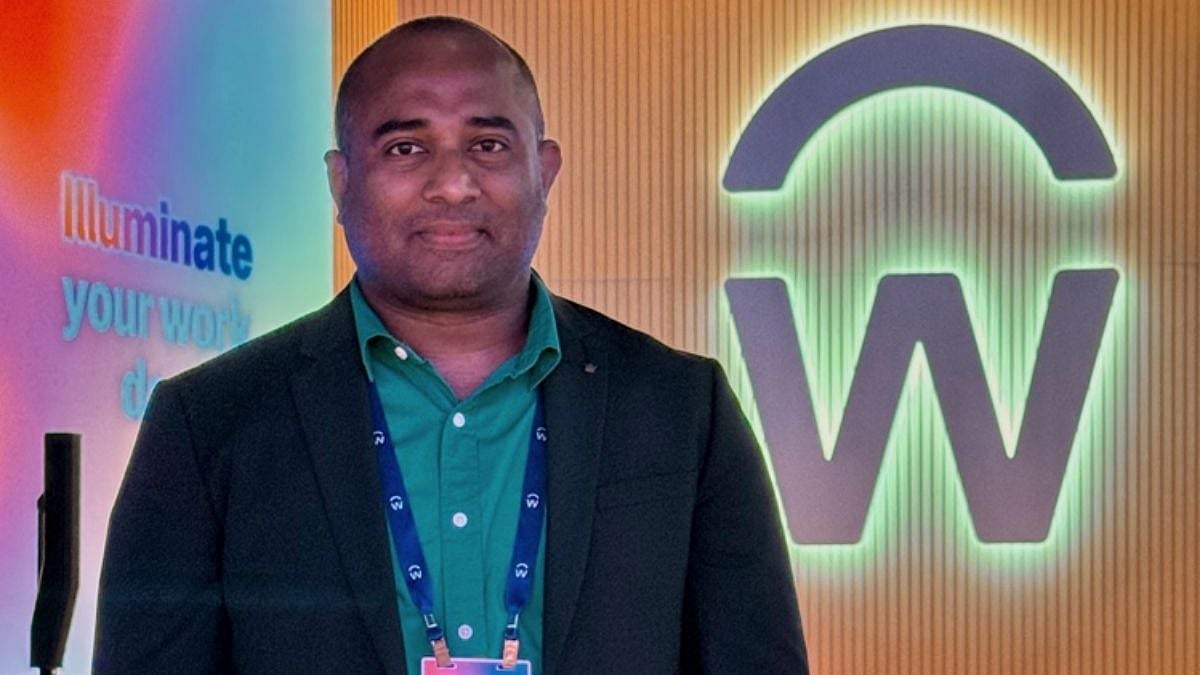
In behavioral healthcare, where people are both the focus and the workforce, managing staff efficiently while maintaining compassion is a delicate balance. At Summit Behavioral Healthcare, that balance is being reshaped by technology, specifically, by the work of Ramesh Mola, the organization’s Director of HRIS.
Mola leads Summit’s effort to bring artificial intelligence and automation into everyday HR operations. His approach is simple but powerful, which is to use technology to support people, not replace them. “The key is designing automation that serves people, not the other way around,” he says. “Technology should amplify human potential, not obscure it.”
Summit operates 44 behavioral healthcare facilities across the United States, employing thousands of clinicians, nurses, and support staff. With so many moving parts, from scheduling shifts to managing payroll and onboarding, the organization faced constant challenges with time, accuracy, and consistency. He set out with his team to fix that by connecting different HR systems into one smart, integrated network. Their AI-enabled workforce automation framework now links Workday HCM, ShiftWizard, and payroll systems in real time. This upgrade has reduced manual HR work by 57% and improved task turnaround times by 42%, saving the organization more than $900,000 a year.
But the impact goes beyond numbers. By using AI to handle routine tasks, the organisation’s HR team can now focus on supporting people, especially new hires and frontline staff. The introduction of AI-driven onboarding cut the time it takes for new employees to become job-ready by 38%. A predictive scheduling model helps managers balance staffing levels and reduce burnout. And the Workday Assistant chatbot has made it easier for employees to get HR help instantly, cutting support requests by almost half.
These improvements didn’t happen without challenges. Introducing AI in healthcare means addressing strict HIPAA privacy rules and easing concerns that automation could make jobs obsolete. The expert tackled both by designing secure, auditable systems and leading open discussions with employees. “People needed to see that automation wasn’t here to take over,” he explains. “It was here to make their workday simpler and more effective.”
Before joining Summit, he managed HR operations at BeiGene, where he helped the biopharmaceutical company grow from 1,200 to more than 12,000 employees across Asia, Europe, and the United States. That experience gave him a deep understanding of how to build scalable HR systems that work across borders and business cultures. His influence also extends beyond his workplace.
Except for his day-to-day leadership, Mola has also made an intellectual mark on the HR technology field. His published papers including “Driving Scalable HRIS Governance: Establishing Change Management SOPs in Enterprise Workday Environments” and “Intelligent Self-Service Tools Revolutionize Employee Experience Across Enterprises”, have been widely recognized for offering actionable frameworks that combine business value with ethical innovation. His writing continues to influence how HR leaders worldwide approach AI transformation with a people-first mindset.
Looking ahead, like other industry experts he also believes that AI will play an even greater role in workforce management, predicting staffing needs, spotting compliance risks, and identifying where extra training is needed. “AI will become a silent partner,” he says. “It will help HR teams make smarter, faster, and more compassionate decisions.” For him, the goal has never been about technology for its own sake. It’s about giving people more time to focus on what really matters, that is the patients they serve. “The human+machine model is not about replacing people,” he says. “It’s about redefining how they work together for better outcomes.”
In a field where care and empathy are everything, this experience offers a valuable lesson: when used thoughtfully, AI doesn’t take the human out of healthcare, it gives humanity more room to thrive.
