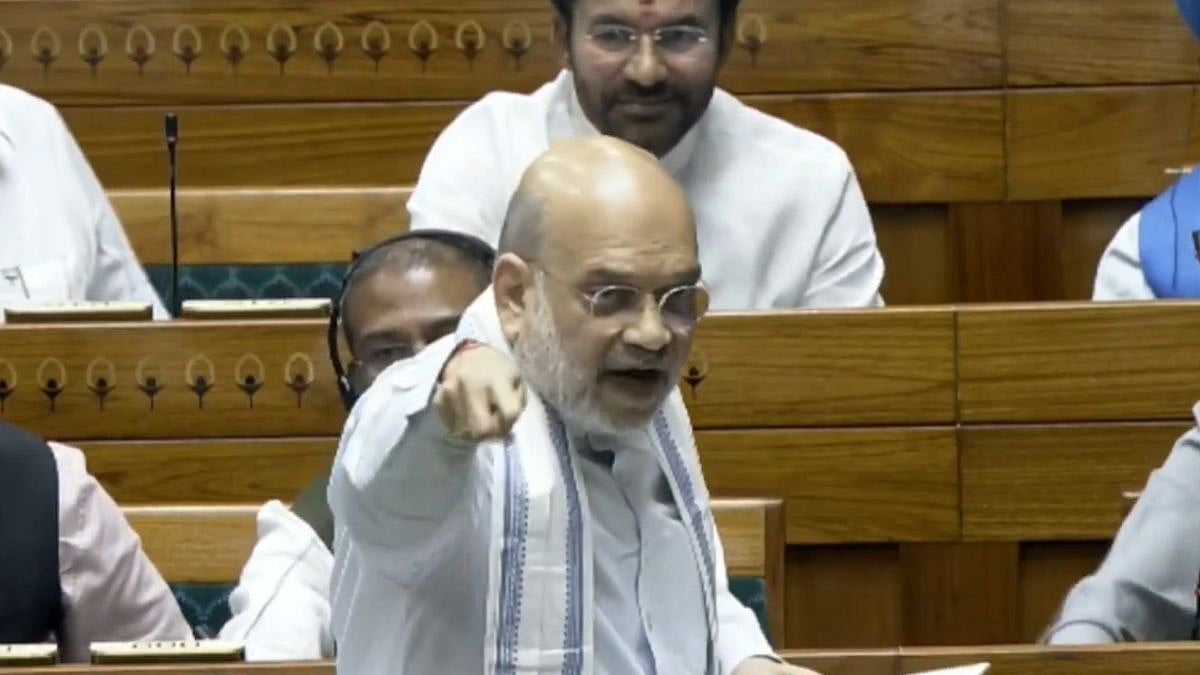
Mumbai: Union Home Minister Amit Shah, on Friday, made a huge statement on the Delimitation Bill in the Lok Sabha, saying, “If the reason to oppose this bill is that there should be 50% reservation, then halt the proceedings for an hour, and I will bring an official amendment to this bill. But first, they (the Opposition) need to promise to pass the bill.”
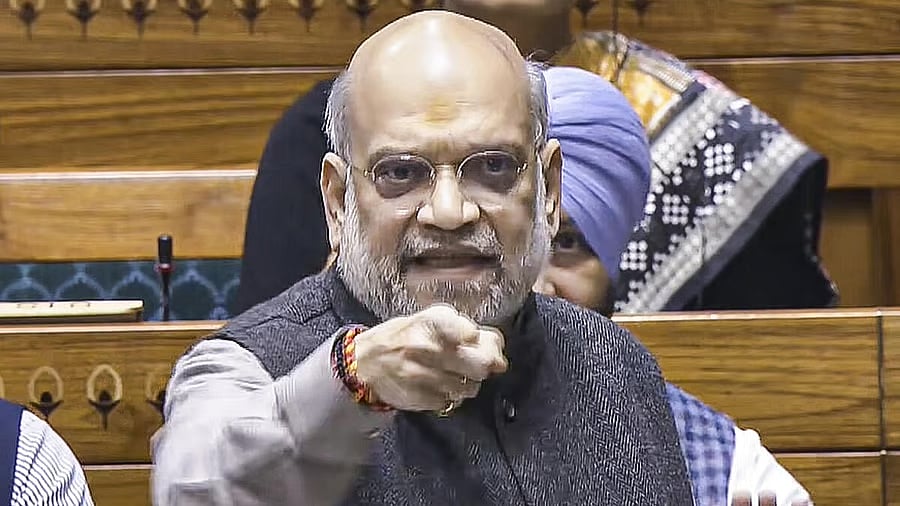
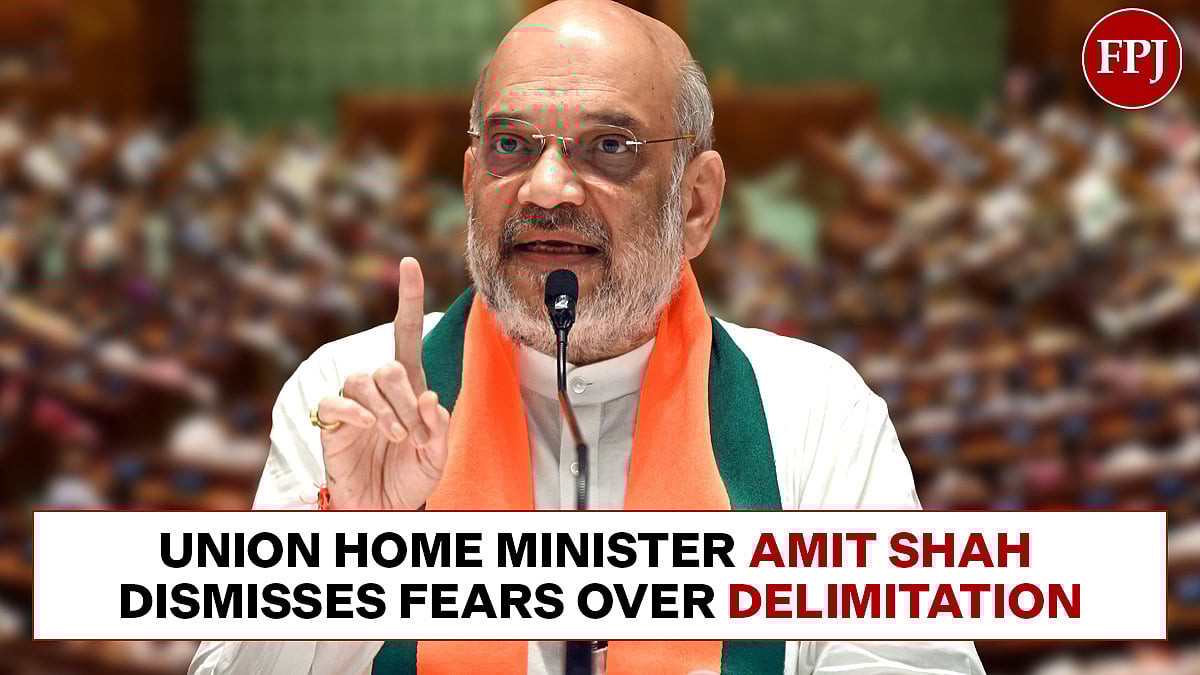
Union Home Minister Amit Shah, speaking in the Lok Sabha during the debate on the Women’s Reservation Bill and the Delimitation Bill, asserted that “those opposing delimitation are actually opposing an increase in SC/ST seats.” He also accused the INDI alliance of resisting women’s reservation by raising “ifs and buts.”
During his address, Shah launched a strong critique of the Congress, alleging it had denied citizens the benefits of delimitation in both 1976 and now again in 2026.
“In 1972, the then Prime Minister Indira Gandhi’s government brought the Delimitation Bill, increasing the number of seats from 525 to 545, and then froze it at that level. In 1976, to retain power during the Emergency period, the 42nd Amendment imposed a ban on delimitation. Even at that time, it was the Congress party that deprived the country’s people of delimitation, and today too, it is the Congress party that is depriving them of delimitation,” Shah said.

Opposition Parties On Women's Reservation Bill
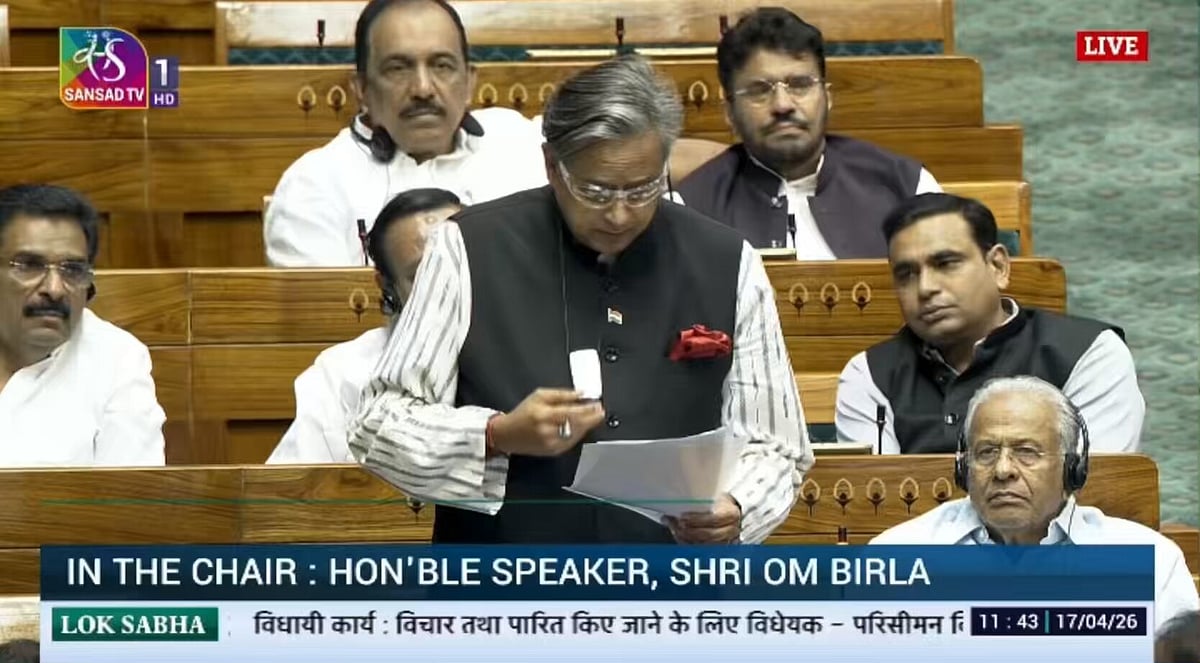
Meanwhile, Opposition parties reiterated their support for the Women’s Reservation Bill, urging that it be enforced from the next Lok Sabha elections, but firmly rejected any linkage with delimitation. Mallikarjun Kharge accused the Centre of politicising the issue to target rivals, while leaders demanded immediate implementation based on existing constituencies, without waiting for a census or delimitation exercise.
Jairam Ramesh described delimitation as “dangerous,” cautioning that it could shrink representation for certain states. M. K. Stalin and other leaders argued that southern states could be disproportionately affected, with the Opposition preparing to present a united front in Parliament against the proposed provisions.
