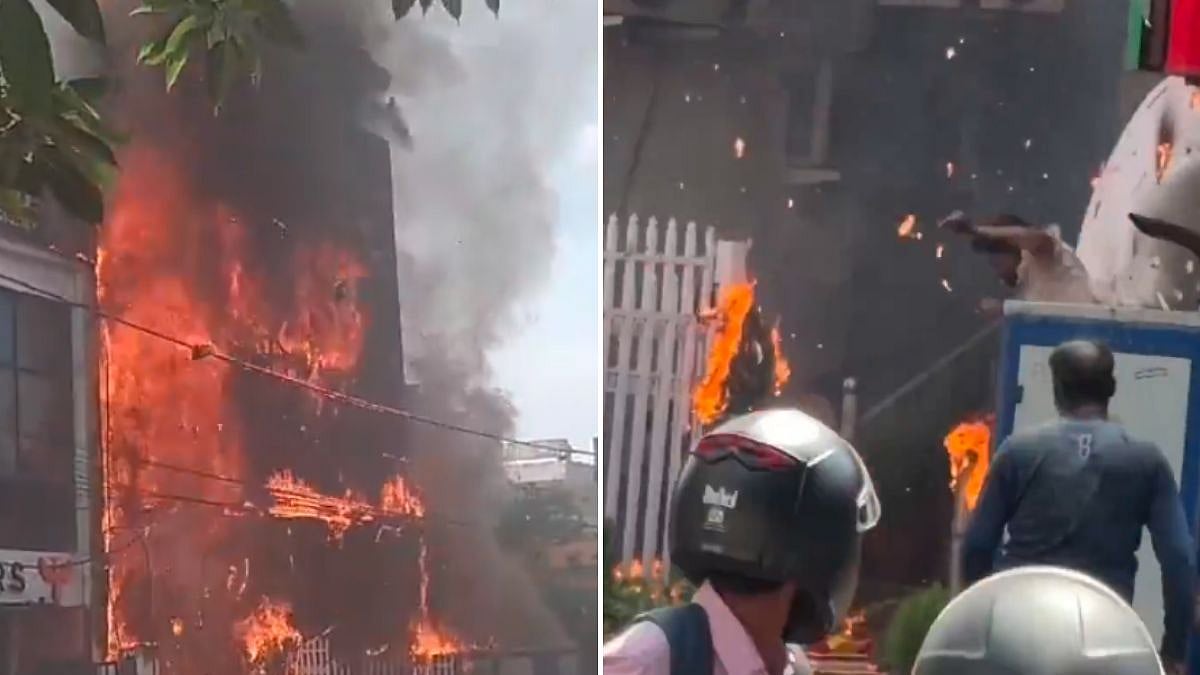
Lucknow: An automatic biometric gate, a single staircase and the alleged commercial use of a residential building emerged as key factors behind the devastating coaching centre fire in Lucknow that killed 15 people, most of them students enrolled in gaming and animation courses.
Preliminary investigations have revealed that the building had only one staircase serving as both the entry and exit route for students and staff. The main entrance was controlled through a biometric thumb-impression system. Survivors said the automated door stopped functioning after the fire broke out, trapping dozens of students on the upper floors as thick smoke rapidly engulfed the building.
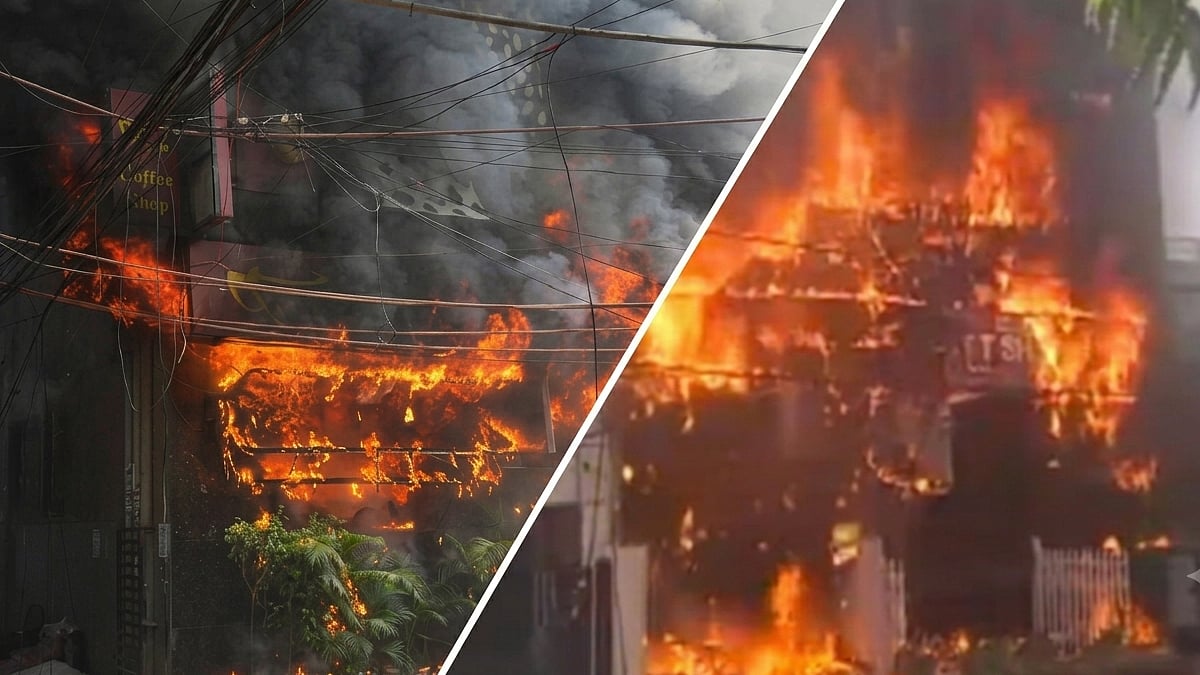
The tragedy unfolded shortly after lunch when classes had resumed. Around 30 students and staff members were inside the premises when the fire erupted.
A student who escaped the blaze said the biometric access system became non-operational during the emergency, preventing those inside from opening the gate. With no secondary emergency exit and the rooftop access door also found locked, students were left with virtually no escape route.
Yash, a friend of one of the injured students, said the building had only one access point fitted with a biometric system. "The system stopped working after the fire broke out. Students could not open the gate in time and many remained trapped inside," he said.
Investigators found that several students desperately searched for an exit as smoke spread from the lower floors to the upper levels within minutes. Some locked themselves inside washrooms and rooms in an attempt to escape the smoke, while others tried to find alternative routes out of the building.
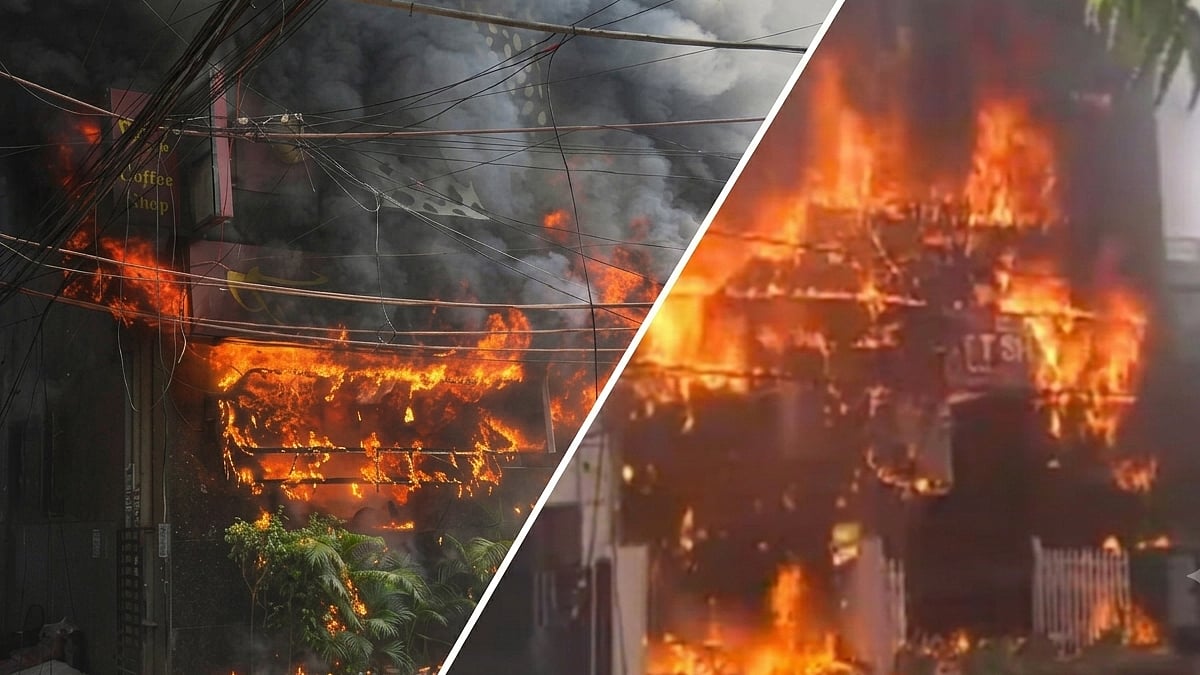
Eight to ten students managed to escape by climbing down internet and DTH cables and water pipes attached to the exterior of the building. Three to four others jumped from the second floor to save themselves. Several injured students continue to undergo treatment at KGMU.
Initial findings suggest that the fire may have been triggered by an explosion in the compressor of a split air-conditioner. The resulting sparks allegedly ignited nearby furniture and combustible materials, allowing the flames to spread rapidly. Officials, however, said a short circuit has not been ruled out and the exact cause will be established after forensic and technical examinations.
Firefighters said dense smoke, rather than flames, proved to be the biggest killer. Many victims were found unconscious inside rooms and washrooms where they had taken shelter. Rescue personnel said the toxic smoke spread quickly through the structure, leaving little time for evacuation.
The Fire Department received the distress call at 2:27 pm and dispatched the first fire tender within eight minutes. Additional fire units, SDRF and NDRF teams later joined the rescue operation.

Rescuers eventually breached the building's rear wall to gain access to those trapped inside. Officials said the thick wall took time to break, delaying efforts to reach unconscious victims.
Investigators are also examining whether the building, originally approved for residential use, was illegally converted into a commercial coaching facility without adequate fire safety measures. Preliminary findings indicate that plastic partitions, aluminium-sheet interiors, packaging material, pet food products and chemicals stored on the lower floors may have intensified the blaze and generated highly toxic smoke.
The building has been sealed and forensic experts are continuing their investigation into one of Lucknow's deadliest fire disasters in recent years.

