
For years, thousands of medical aspirants have been affected by serious irregularities in the NEET (National Eligibility cum Entrance Test) conducted by the National Testing Agency (NTA). It often appears as though the agency is not merely conducting examinations, but ‘testing’ the patience of students while creating an ecosystem of uncertainty, anxiety, and chaos.
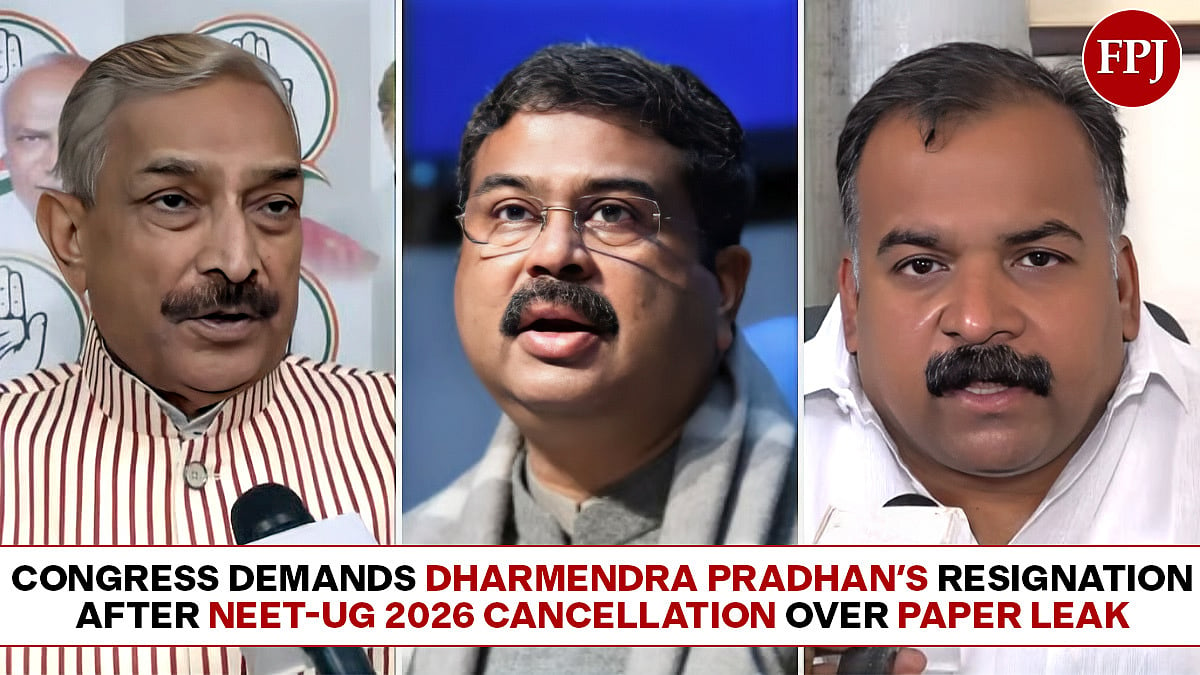
The NEET (UG) 2026 examination, held on 3 May 2026, was cancelled following widespread allegations of irregularities and a possible paper leak. The matter has since been referred to the Central Bureau of Investigation (CBI), with a re-test announced by the NTA.
The controversy has revived memories of the infamous Vyapam scam, also known as the Madhya Pradesh Professional Examination Board (MPPEB) scam. Unearthed in 2013, it was a massive admissions and recruitment racket that heavily compromised medical entrance examinations, particularly the Pre-Medical Test (PMT).
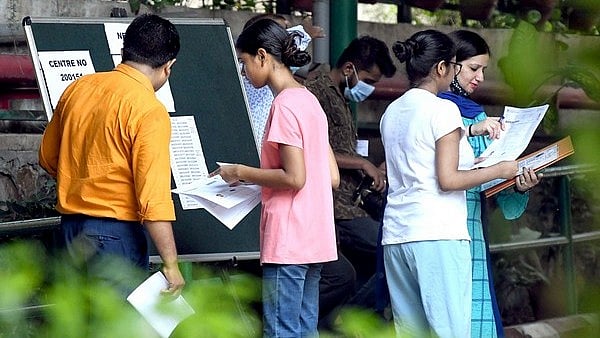
The scam exposed a nexus of politicians, officials, businessmen, and middlemen who manipulated examinations and enabled ineligible candidates to secure admission into medical colleges or obtain government jobs. More than 2,000 arrests were made, and at least 13 examinations were found to have been compromised. Several private medical colleges in Madhya Pradesh were also implicated for admitting “ineligible” students in exchange for bribes.
Even today, the legal consequences continue to unfold. In December 2025, a CBI court in Indore convicted 12 individuals for impersonation and cheating in the 2011 PMT examination, sentencing them to five years’ rigorous imprisonment. Earlier, in 2017, the Supreme Court cancelled the degrees of 634 doctors who had secured admission through fraudulent means linked to the scam. The Vyapam scandal also gained notoriety for the disturbing number of mysterious deaths linked to witnesses, accused persons, and others associated with the investigations. Today, irregularities in NEET (UG) should not become anything similar to the Vyapam scam.
According to Dr. T. P. Lahane, former Dean of Grant Medical College and J. J. Hospital, Mumbai, “Such incidents damage the credibility of both deserving students and the wider medical fraternity.” He noted that India’s reputation as a global medical tourism destination is also affected when examination scams cast doubt on the integrity of the healthcare system.
Dr Lahane said, “The cancellation of NEET (UG) 2026 has caused immense emotional stress for lakhs of sincere students and parents who have sacrificed years of hard work and personal comfort in pursuit of a medical career. However, he stressed that the credibility of a national examination is “sacred”, and that even the slightest doubt regarding fairness or transparency must be addressed decisively.”
He further urged students not to lose courage, emphasising that one examination cannot define their future. He also appealed to parents to support their children emotionally during this period of uncertainty. “We appreciate that the Government and investigating agencies have taken the matter seriously. Now the entire focus should be on conducting a completely transparent, secure, and trustworthy re-examination with strict accountability at every level,” adds Dr Lahane.
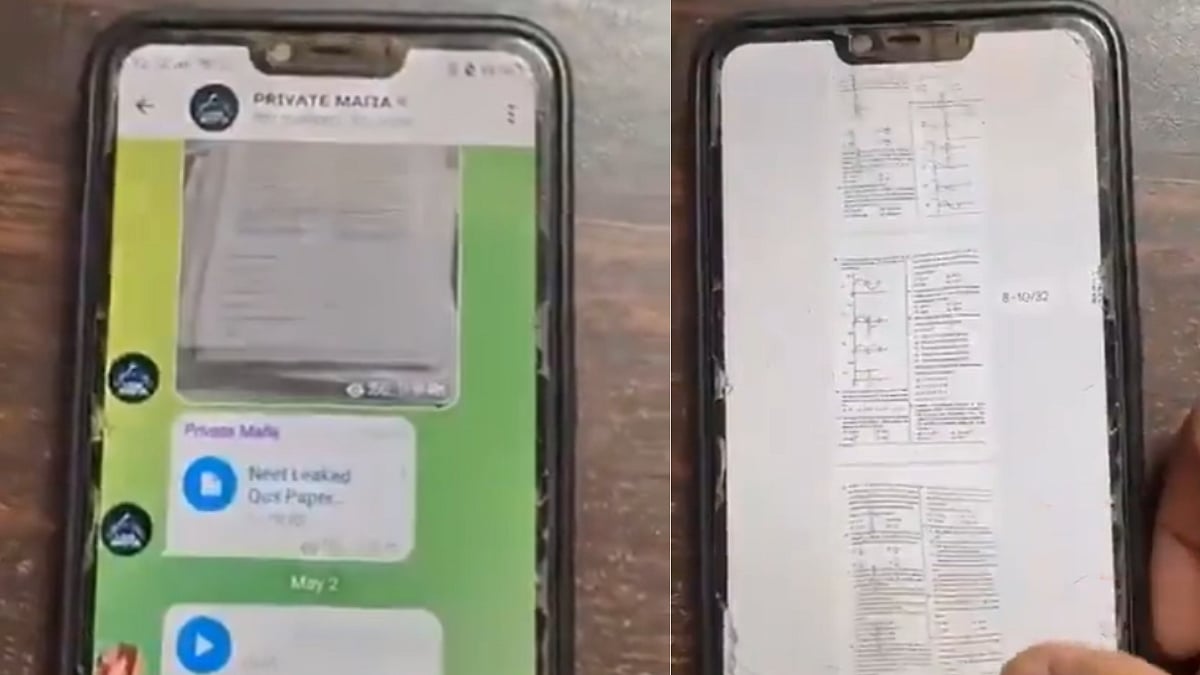
Unless strong corrective measures and accountability are ensured immediately, the present controversy risks becoming the precursor to another large-scale examination scam with serious consequences for India’s medical education system.
Approximately 22.79 lakh (2,279,743) candidates registered for the NEET UG 2026 examination held on May 3, 2026.
Out of these, over 22.05 lakh students appeared for the test across 551 cities in India and 14 cities abroad.
The turnout rate was 96.92%, with applicants competing for roughly 1.29 lakh MBBS and 27,000+ BDS seats.
5–6% of students who appear for the exam will secure a seat.

