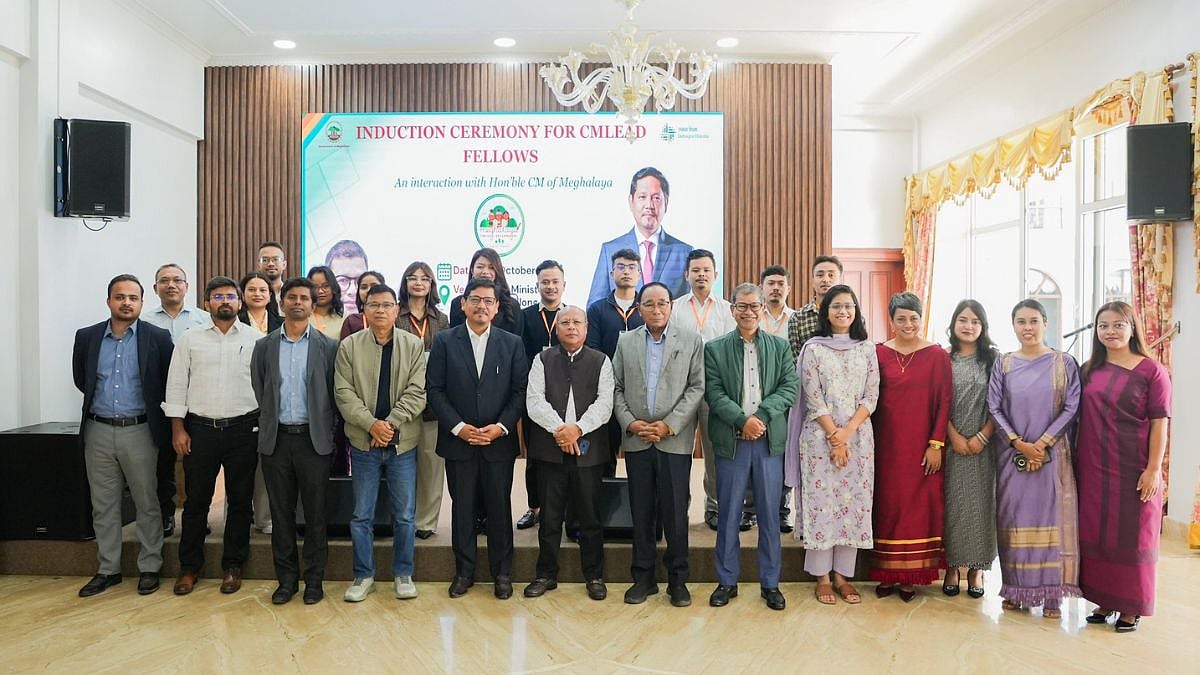
Shillong: Meghalaya has inducted its first batch of young professionals under a fellowship programme that will place them in all 12 districts to support education reforms, Chief Minister Conrad K Sangma said on Tuesday.
At the induction ceremony of the Chief Minister's Leadership in Education and Development (CMLEAD) Fellowship at his residence here, Sangma and Education Minister Lahkmen Rymbui handed over laptops to the fellows.
The CMLEAD Fellowship is a state-led initiative aimed at embedding skilled young professionals within Meghalaya's education system to accelerate reforms at the district level.
Fellows to support district-level education reforms
The fellows will work closely with Samagra Shiksha, the Directorate of Educational Research and Training (DERT) and district education offices to support the design, coordination and implementation of priority initiatives.
Explaining the rationale behind the programme, Sangma said governance could not be limited to political, bureaucratic or administrative processes and required active participation from communities and society to assess whether government initiatives were achieving their intended objectives.
"Participation from community, participation from society" is essential, he said, adding that officials and politicians often became so occupied with day-to-day work that they failed to see what was happening on the ground.
Focus on improving education quality
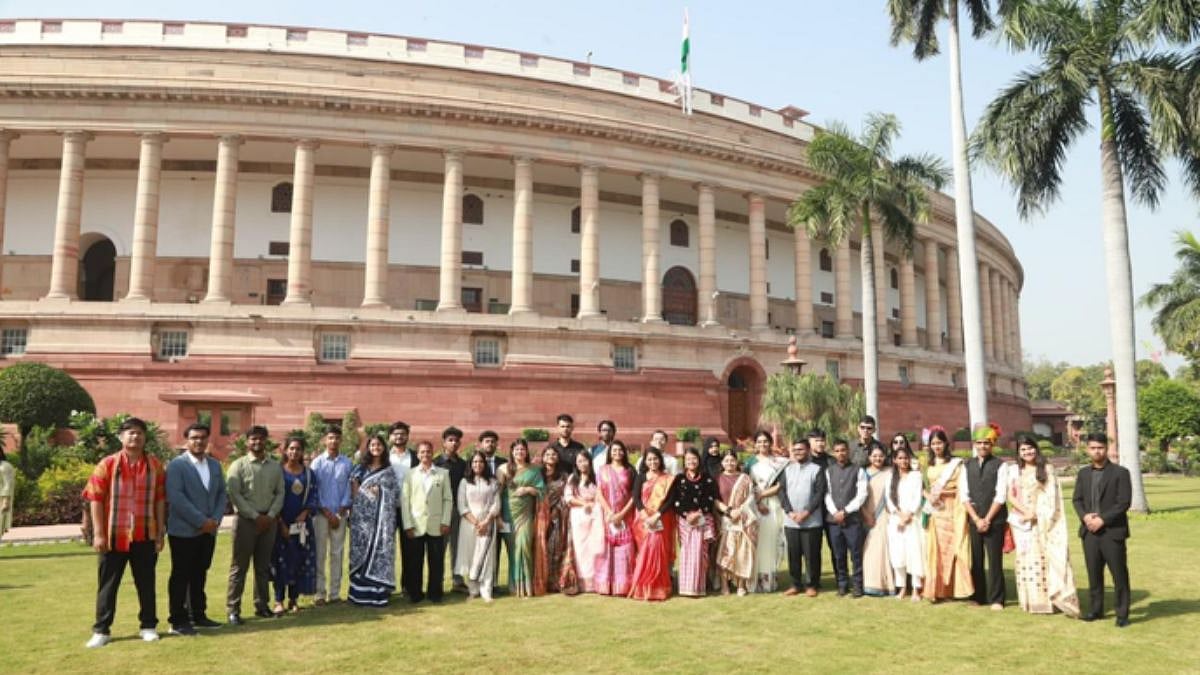
"Making a new building is not making education necessarily better. It is providing the infrastructure. But education becomes better when that building helps a child to get education, and the quality of education goes up," the chief minister said.
He said the fellows could help bridge the gap between policy decisions and the realities faced by students and teachers in schools.
Describing the fellowship as an opportunity for young people to gain first-hand experience of public service, Sangma likened it to an internship with the government, rather than a private company.
School visits and accountability measures
He urged the Education department to assign specific responsibilities, targets and measurable indicators to the fellows, backed by a reporting mechanism to ensure accountability.
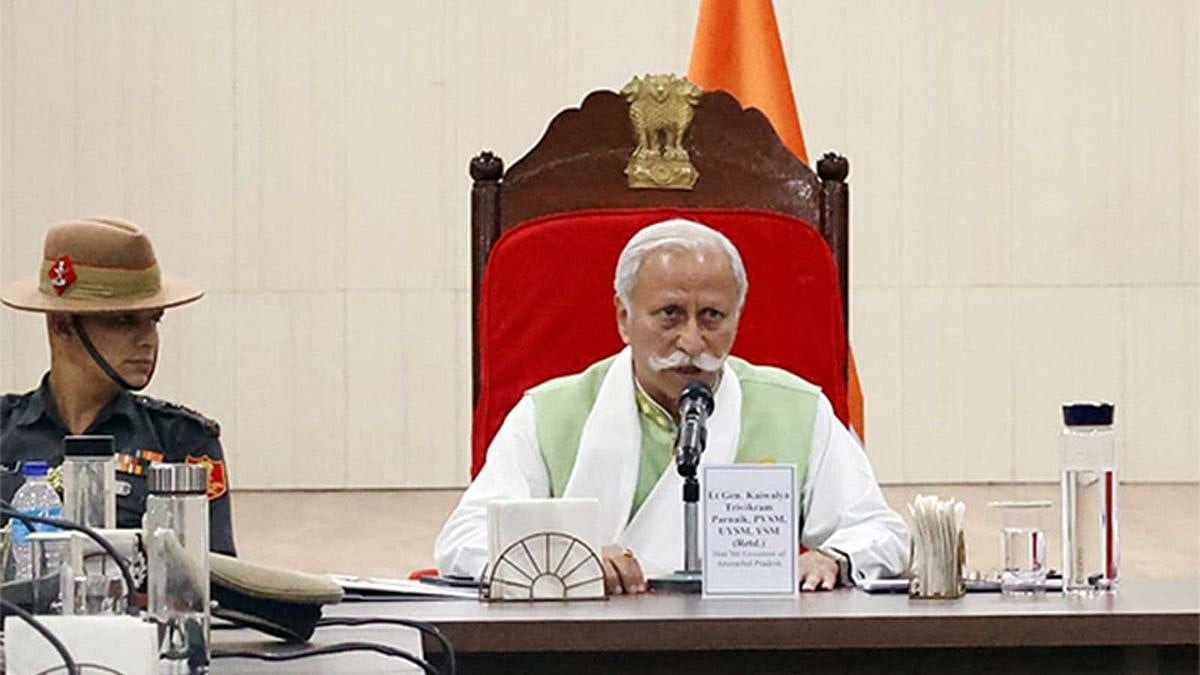
The fellows should not be left "moving around with a laptop", he said, suggesting that each fellow visit at least one school every week and submit an honest assessment of conditions there.
Their observations could cover the state of school buildings, toilets, including separate facilities for girls, availability of furniture and the quality of learning, based on interactions with students. The Education department could finalise the indicators, he added.
Community participation in school development
Sangma also called on the fellows to mobilise community support to address shortcomings in schools, suggesting that they reach out to village headmen, church pastors, students and non-governmental organisations to encourage regular visits and voluntary teaching.
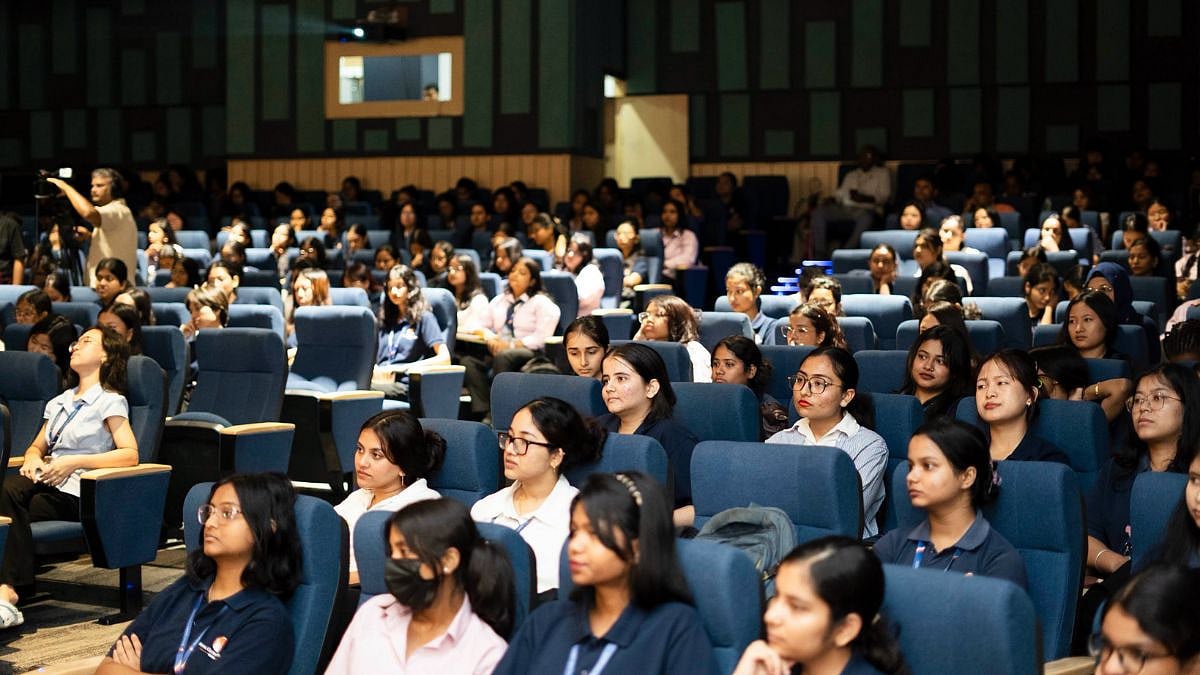
Community members could volunteer an hour or two to teach English or even "adopt" a school, he said.
Fellows encouraged to embrace field challenges
The chief minister encouraged the fellows to offer suggestions that could inform policy changes and reforms, while urging them to embrace field postings in remote areas and difficult conditions.
"Don't look at the problems as a challenge, look at it as an opportunity for you to be able to do something to change it," he said, wishing the fellows success in contributing to the state's education sector.
(Except for the headline, this article has not been edited by FPJ's editorial team and is auto-generated from an agency feed.)

