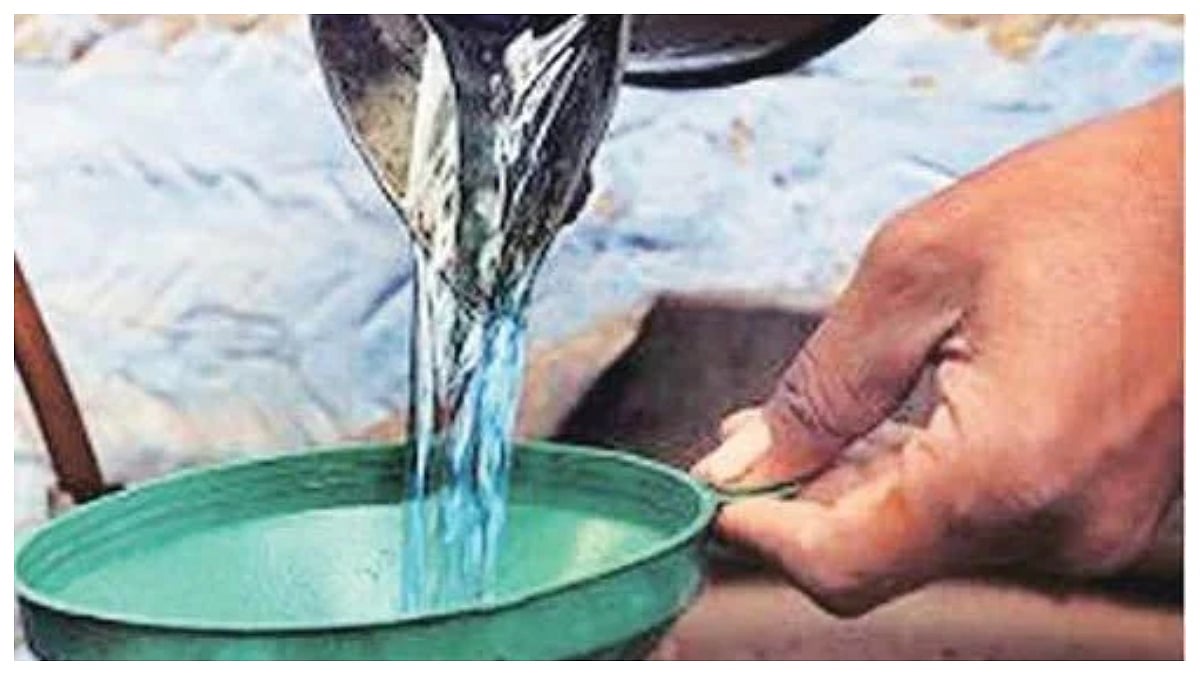
New Delhi: India has temporarily allowed the use of kerosene and coal again as the ongoing conflict in West Asia has disrupted key global energy routes. The government has introduced these measures to ensure households and businesses continue to get cooking fuel.
The disruption happened after the Strait of Hormuz, a major global energy shipping route, was effectively shut due to the conflict in the region.
Because a large portion of India’s crude oil, LPG and LNG imports pass through this route, the situation has put pressure on the country’s energy supply chain.

Why The Strait Of Hormuz Is So Important?
The Strait of Hormuz lies between Iran and Oman and is one of the most important energy transport routes in the world. It connects the Persian Gulf with the Arabian Sea.
Nearly one-fifth of the world’s oil and liquefied natural gas moves through this narrow passage.
For India, the route is extremely important. More than half of the country’s crude oil imports pass through the strait. Around 55 percent of LPG used for cooking and nearly 30 percent of LNG imports also travel through this corridor.
The conflict in West Asia, which began on February 28 after military strikes and retaliatory attacks, has stopped energy flows through this critical route.
Why LPG Supply Is Under Pressure?
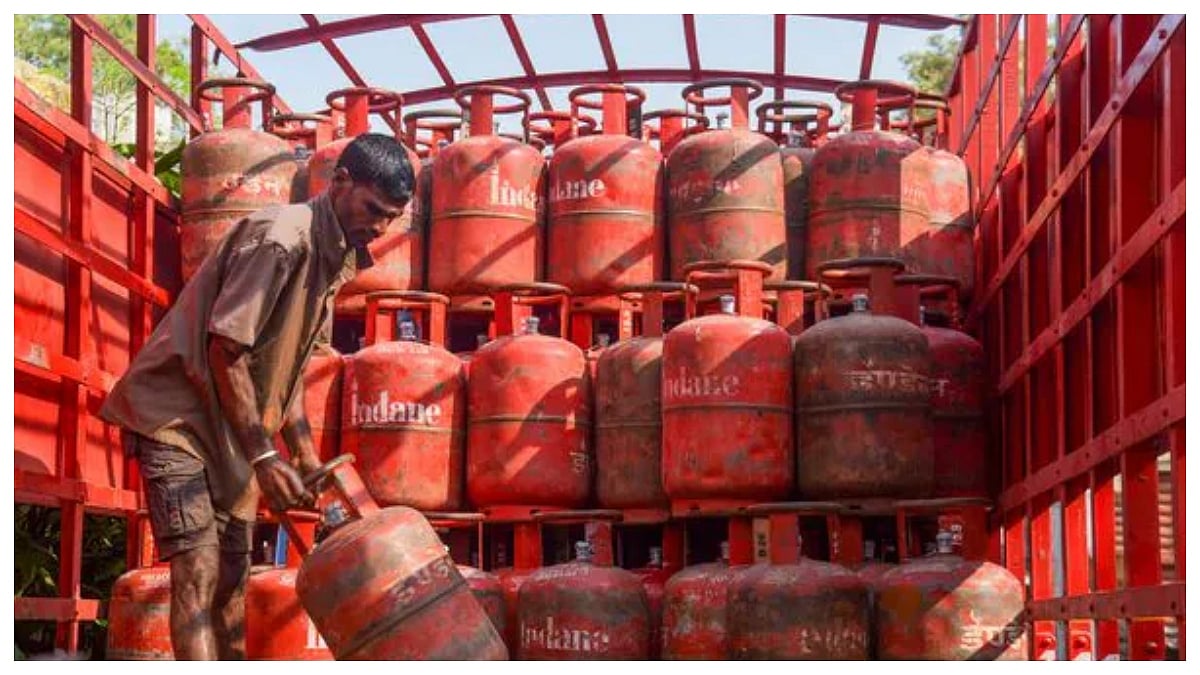
India consumes a large amount of LPG for household cooking. In the financial year 2024-25, the country consumed about 31.3 million tonnes of LPG.
However, domestic production was only about 12.8 million tonnes. The rest had to be imported.
Before the crisis, nearly 60 per cent of LPG imports came from Gulf countries such as Qatar, Saudi Arabia, the UAE and Kuwait. Most of these shipments passed through the Strait of Hormuz.
With supplies from this region disrupted, replacing LPG imports quickly has become difficult.
Why Kerosene Is Being Used Again?
To manage the situation, the government has increased kerosene supply for households. States have been given an additional 48,000 kilolitres of kerosene on top of the usual monthly allocation.
This decision is significant because India has spent many years trying to phase out kerosene due to pollution concerns and misuse.
Earlier programmes such as the Pradhan Mantri Ujjwala Yojana promoted LPG use and reduced dependence on kerosene and firewood.
However, with LPG supplies under pressure, kerosene is being used temporarily to ensure households still have cooking fuel.
Coal And Alternate Fuels For Hotels And Restaurants
The government has also allowed hotels and restaurants to use alternative fuels such as coal, biomass and refuse-derived fuel pellets for a limited period.
Environmental authorities have been asked to permit these fuels for about one month.
At the same time, oil companies will provide only about 20 per cent of the usual commercial LPG demand to businesses so that supplies can be prioritised for households.
Measures To Manage Demand
To control demand and prevent panic buying, the government has introduced additional rules.
The minimum refill time for LPG cylinders has been increased to 25 days in cities and 45 days in rural areas.
Delivery authentication codes will also be expanded to most consumers to prevent hoarding or illegal diversion of cylinders.
A special committee will review genuine commercial demand across different sectors.
No Petrol Or Diesel Shortage
Despite the disruption, the government says there is no shortage of petrol or diesel in the country.
Refineries are operating at very high capacity, in some cases above 100 per cent. Crude oil supplies are also being sourced from multiple countries.
India has diversified its crude imports to about 40 countries compared to 27 earlier.
What Happens Next?
Officials say these steps are only temporary responses to an unusual global energy crisis.
The government is closely monitoring supply routes and exploring alternative sources while ensuring households, hospitals and essential sectors continue to receive cooking fuel.
The Strait of Hormuz has been disrupted for nearly two weeks, making the current situation one of the most serious energy supply challenges in recent years.

